
Most brands come to exhibitions for products, but the real conversation rarely stays there.
When brands attend trade shows, they usually have a very clear objective: to source products, check out new releases, and compare cosmetic packaging suppliers.
But once the actual discussions begin, the focus often shifts quickly.
Many questions branch out from the “product itself,” such as the unreliability of current suppliers, discrepancies between samples and mass production, or issues that remain unresolved even after switching factories.
As these topics are explored further, the focus shifts away from simply selecting a product and instead turns to identifying where the entire packaging system begins to falter in actual operation.
What we bring to Beauty Istanbul 2026 is not a product catalog
You won’t see a standard catalog-style display at the exhibition; that’s something we deliberately avoided.
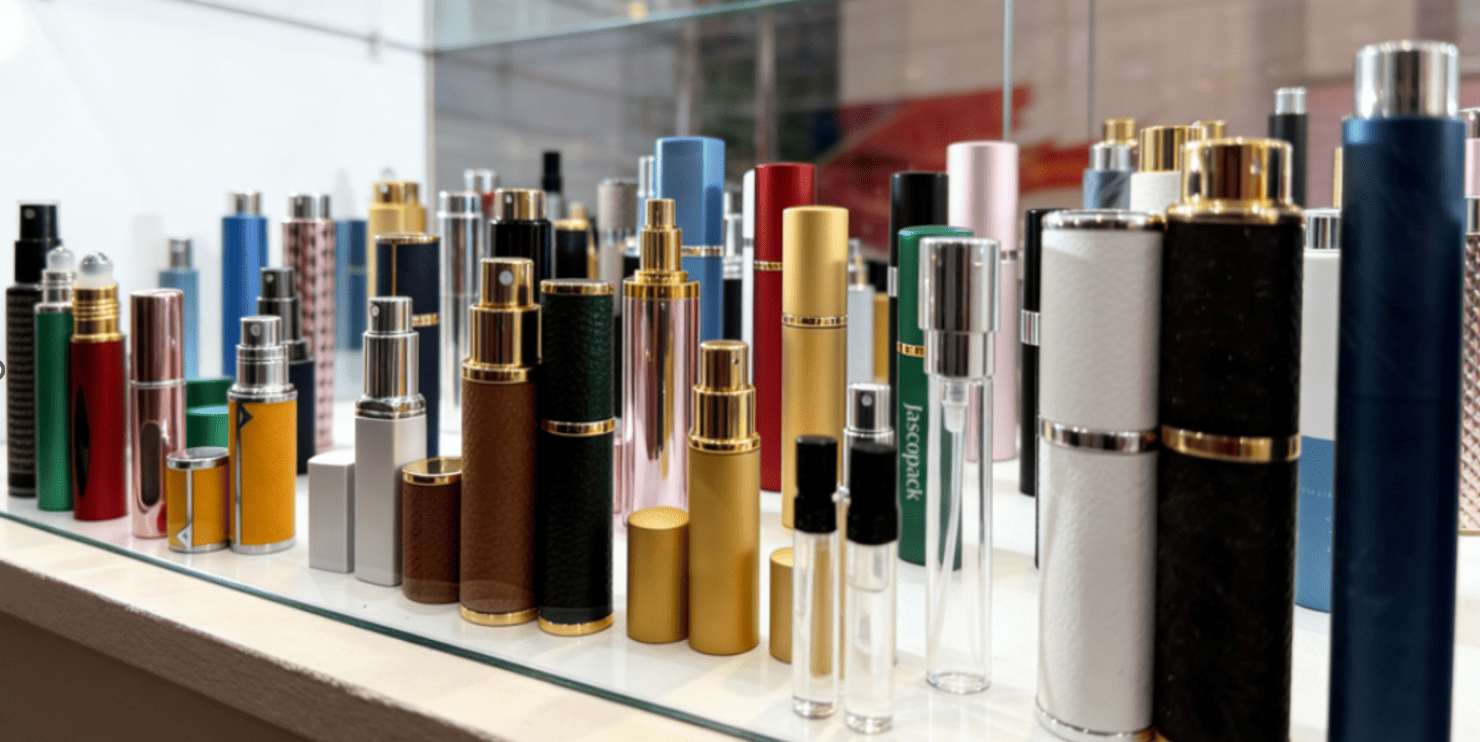
Instead, we brought along actual production-ready components—such as perfume atomizers, glass bottles, cosmetic pens, and lipstick tubes.
These products themselves aren’t the main focus; they serve more as “reference points.”
Through these components, our goal isn’t to showcase “what we have,” but rather to demonstrate how the brand’s current cosmetic packaging operates in actual production and to identify at which stage issues begin to arise.
Packaging issues usually become visible only after scaling
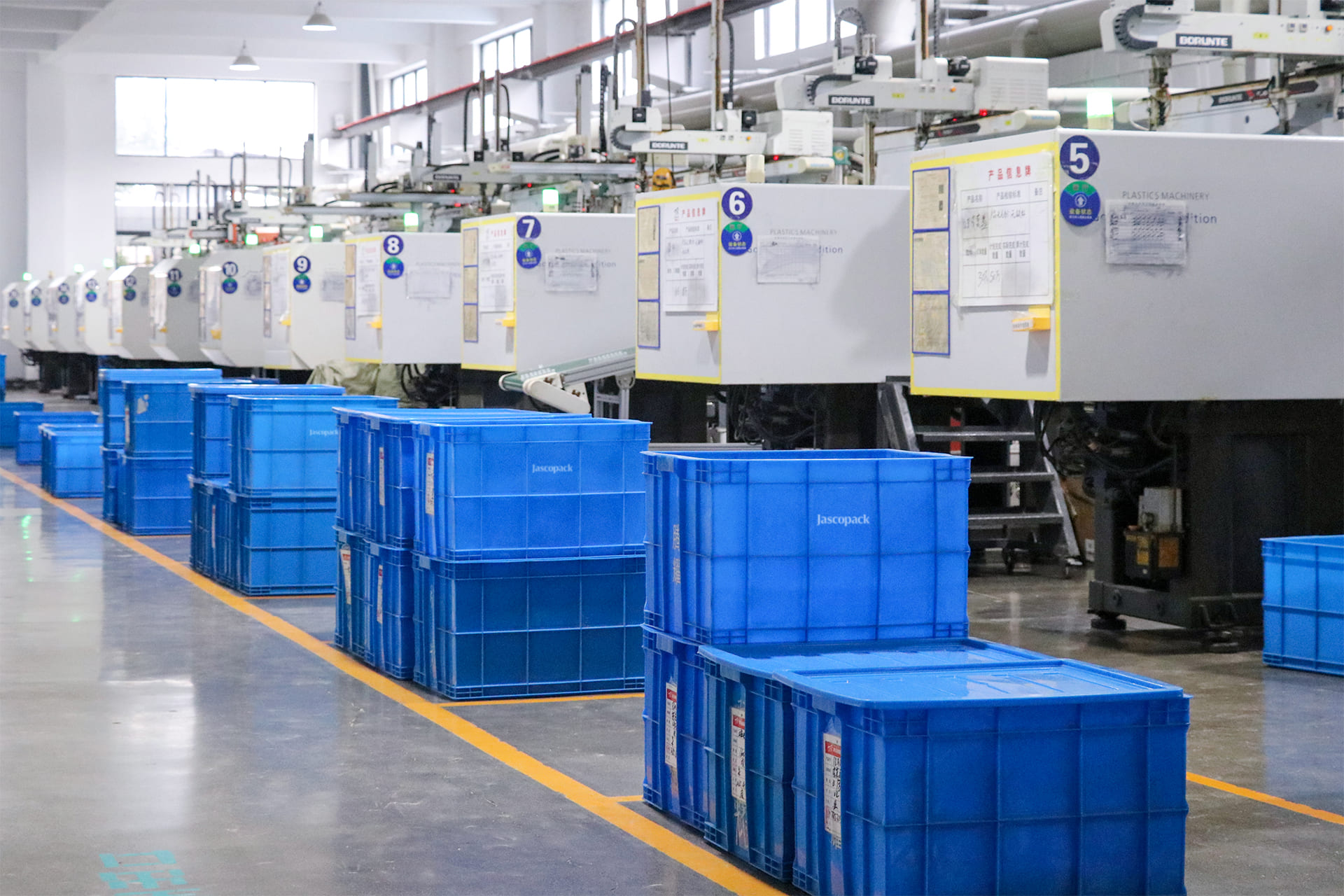
It is quite common in the industry for many packaging issues to go unnoticed during the small-batch production phase.
The prototyping phase is typically stable, and initial orders usually proceed without a hitch, so it’s easy to conclude at this stage that “everything is fine.”
However, as production scales up—for example, with increased order volumes, faster production cycles, variations in material batches, or more complex shipping conditions—the situation gradually changes.
Spray bottles are a classic example: they function perfectly during the sample phase but begin to leak slightly after continuous production. Glass bottles may exhibit consistent appearance but show fluctuations in stability between batches. Cosmetic applicators, on the other hand, may experience a decline in performance after a period of use.
These issues are not typically attributed to design flaws, as they often stem from cumulative discrepancies between the product’s structure, manufacturing processes, and actual usage conditions.
What usually happens when brands sit down with us
Once we begin actual discussions, the conversation rarely remains at the level of a product introduction.
Instead, we typically start by analyzing the current situation, including how the existing packaging system operates, any existing points of instability, and the stage at which the issues first arose.
We begin by identifying the source of the problem. We do not rush to conclusions at this stage, as the same symptom may stem from different factors—such as mold precision, material selection, or structural compatibility issues that arise when the design is scaled up.
We then examine the impact of scaling up. Many structures are stable at small scales but exhibit different behavior when scaled up, and this change is often not identified in advance.
Finally, we discuss a longer-term assessment: whether the structure can sustain operation over time, rather than merely being viable for the current order.
Why samples are still necessary in conversations like this
It’s difficult to fully understand packaging issues based on descriptions alone—this is a reality of the industry.
Differences in structure, sealing methods, and assembly techniques make it hard to pinpoint the root cause of a problem without a direct comparison.
That’s why we still bring samples to the site, but their purpose isn’t for display—it’s for comparison.
Sometimes two products look almost identical, yet they perform very differently in actual use or testing. It’s often these differences that lead to a new understanding of the problem.
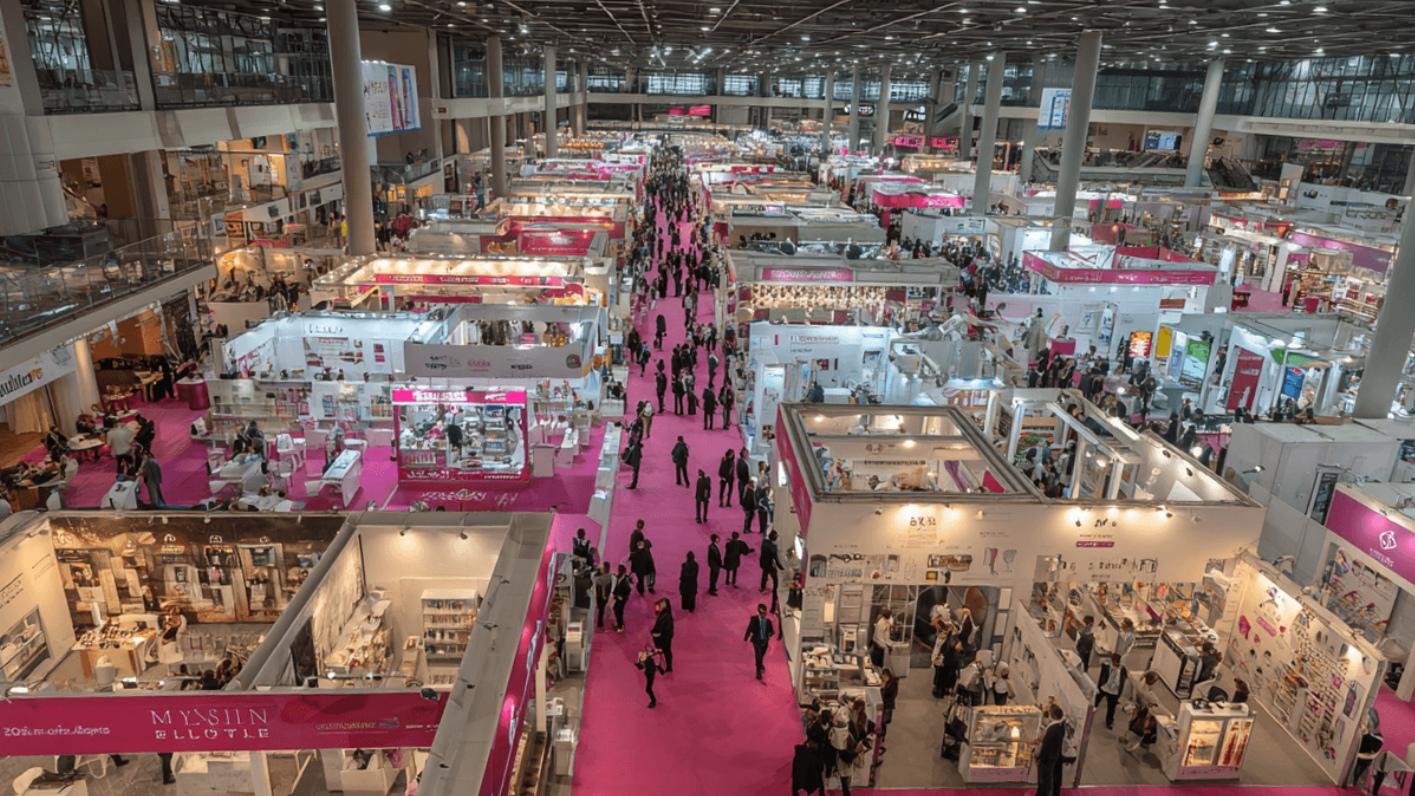
If you visit our booth at Beauty Istanbul 2026
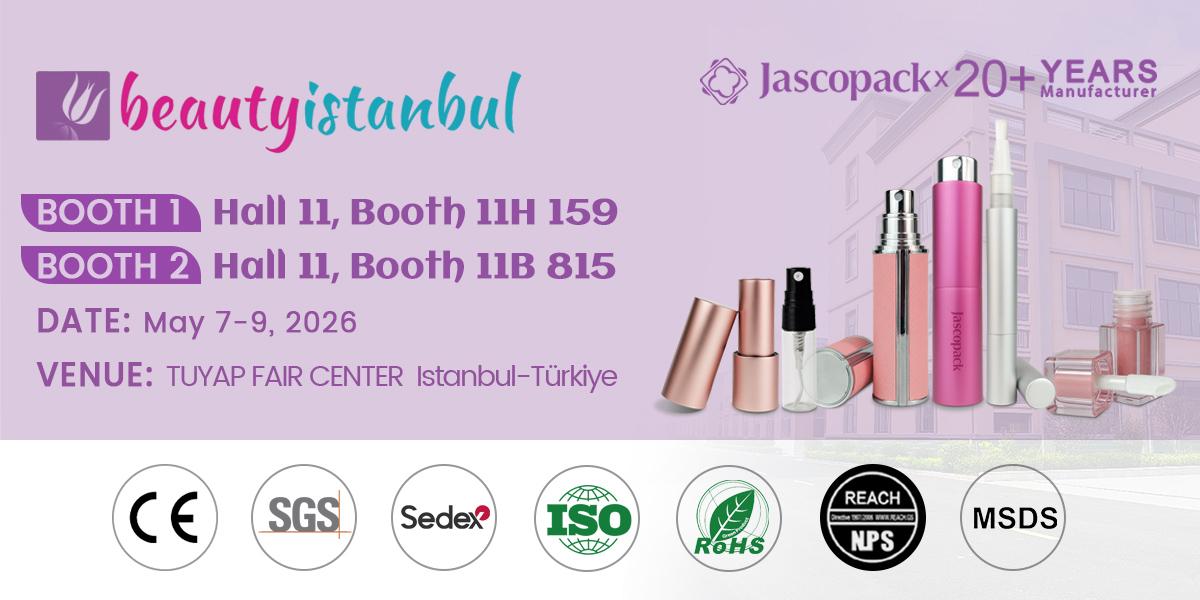
📍 Hall 11 – Booth 11H 159 & 11B 815
📅 May 7–9 | TUYAP Fair Center, Istanbul
There won’t be a set agenda on-site; the session will be tailored to the specific circumstances.
Some brands come with current packaging issues, and we work together to identify potential risks when magnified; others bring samples from their existing suppliers, and we compare them structurally rather than just looking at visual differences; and some are still in the early concept stage without a complete plan, so we assess together whether it’s feasible for mass production.
There are also straightforward cases where an issue has existed for a long time but hasn’t been fully explained—this kind of conversation is actually quite common at trade shows.
We’re not there to push products
For Jascopack, trade shows are not primarily sales events.
Rather, they provide an environment where real-world issues come to light more easily.
When cosmetic packaging products are held in hand and compared, and when user experiences are discussed directly, details that are usually overlooked become apparent much more quickly.
Some issues are minor but can affect long-term stability; others are structural and will be magnified as the scale of production increases.
These differences are far more evident on-site than in any written description.
If you are planning to visit
You don’t need to prepare a complete set of materials or put together a standard proposal.
Just bring the actual situation you’re currently facing, and we will go over the structure and operational logic together.
Our goal is to ensure your business is more efficient and easier to manage through expert design assistance and structural solutions.