

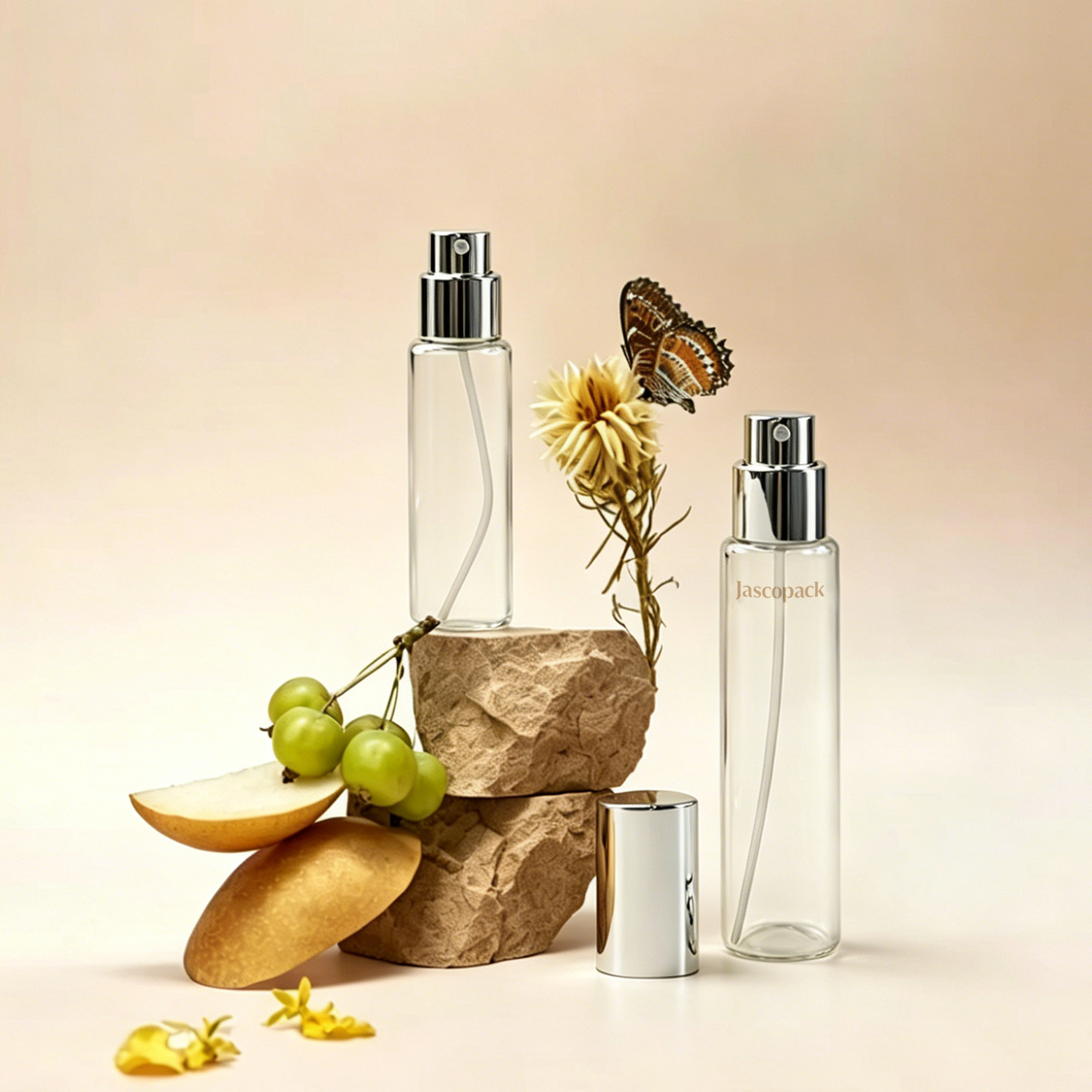
Glass has dominated fragrance packaging for decades, especially in luxury retail where heavy bottles, transparency, and decorative shaping all contribute to the premium experience consumers expect from traditional perfume brands. Aluminum packaging, meanwhile, has grown rapidly as travel-size fragrances, refillable atomizers, and direct-to-consumer perfume brands continue pushing the industry toward lighter and more durable packaging formats that work better for e-commerce and modern mobile lifestyles.
Because of that shift, more fragrance brands now compare aluminum and glass much earlier during product development instead of automatically defaulting to glass the way the industry often did in the past. The decision affects far more than appearance alone. Shipping costs, breakage rates, sustainability positioning, refillability, retail presentation, and even social-media-friendly aesthetics can all influence which material makes more sense for a particular fragrance line.
In reality, both materials perform extremely well when used in the right context, but they solve very different packaging and business challenges.
Quick Comparison Aluminum vs Glass Perfume Bottles
| Feature | Aluminum Perfume Bottles | Glass Perfume Bottles |
|---|---|---|
| Weight | Lightweight | Heavy |
| Durability | Shatterproof | Fragile |
| Luxury Style | Modern & minimal | Classic & premium |
| Best Use | Travel & e-commerce | Retail display |
| Shipping Cost | Lower | Higher |
| Sustainability | Highly recyclable | Infinitely recyclable |
| Customization | Anodizing & engraving | Molding & frosting |
Why Packaging Material Has Become a Bigger Business Decision
Ten years ago, most fragrance brands selected packaging mainly based on appearance. If the bottle looked luxurious on retail shelves and matched the brand image, the project usually moved forward without too much discussion about logistics or long-term operational costs.
Today, packaging decisions affect far more than visual presentation. Shipping efficiency, breakage rates, refillability, sustainability positioning, and e-commerce performance have all become part of the conversation, especially for fragrance brands selling internationally online.
Packaging Decisions Now Affect Logistics and Profitability
A decorative glass bottle may still work perfectly for luxury retail environments, but the situation changes once products start moving through warehouses, courier systems, and global fulfillment networks. Many growing fragrance brands eventually realize that packaging weight and durability can directly influence shipping costs, return rates, and customer satisfaction.
For brands operating heavily through e-commerce, breakage isn’t just a packaging issue anymore. It affects replacement costs, delivery experience, customer reviews, and long-term operational efficiency.
Consumer Habits Have Changed
Portable fragrance formats and refillable atomizers are no longer niche products used only for travel. More consumers now carry fragrances daily in handbags, gym bags, office drawers, or carry-on luggage, which has increased demand for lighter and more durable packaging options.
This shift has changed how brands evaluate fragrance packaging. Consumers still care about visual presentation, but convenience and portability now influence purchasing decisions much more than they did a decade ago.
Why More Brands Compare Aluminum and Glass Earlier
Glass continues to dominate traditional luxury fragrance presentation, particularly in retail, but aluminum packaging has expanded far beyond its original role as a simple travel solution.
For many fragrance brands today, packaging material affects business performance almost as much as aesthetics. That’s why aluminum versus glass discussions now happen much earlier during product development, especially for brands planning international shipping or refillable product lines.
Aluminum Perfume Bottles Are No Longer Just Travel Accessories
A few years ago, many buyers still viewed aluminum perfume packaging as something mostly limited to inexpensive travel atomizers. That perception has changed significantly.
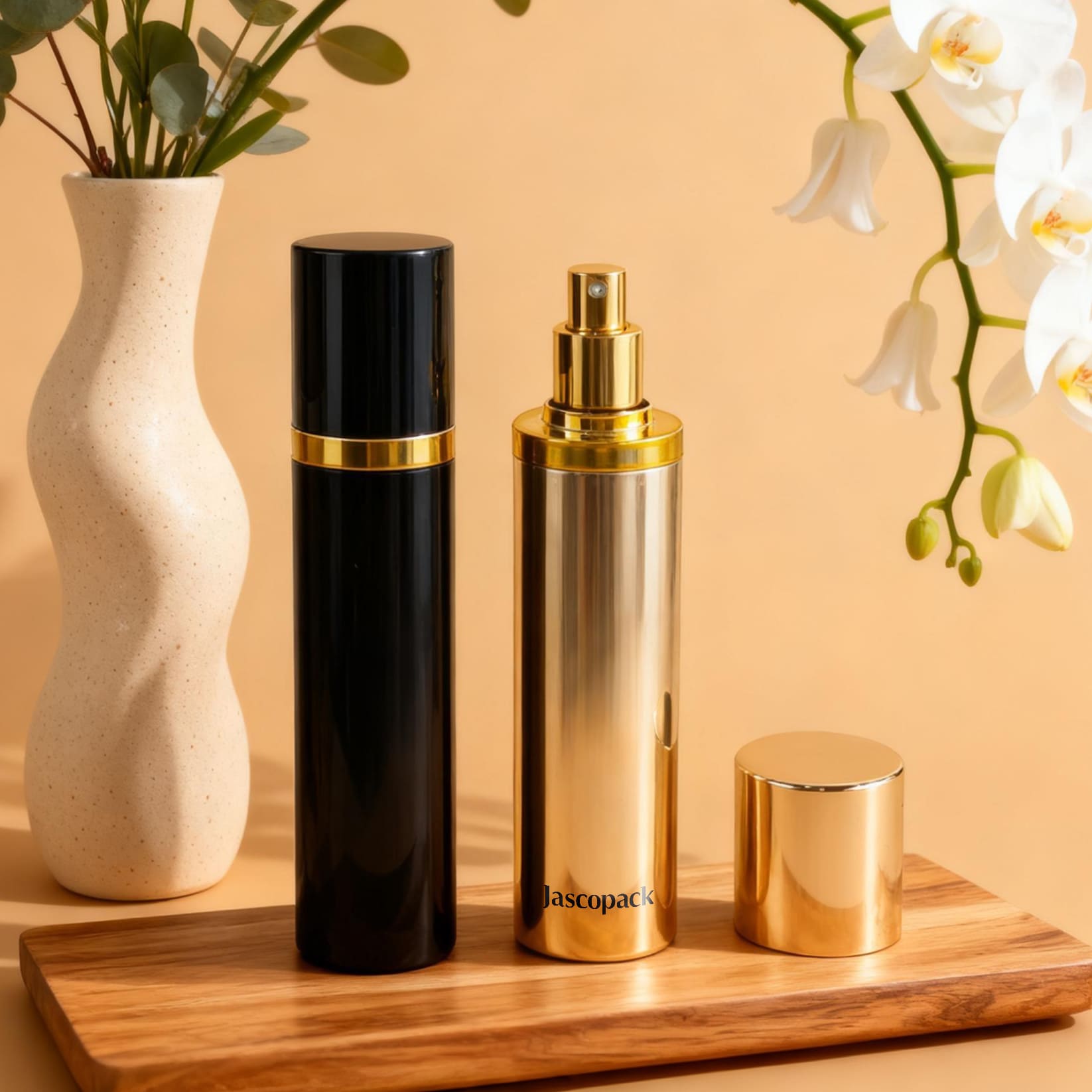
Today, anodized aluminum packaging appears in premium fragrance collections, limited-edition launches, designer collaborations, and modern minimalist beauty brands. Much of that growth comes from changing consumer aesthetics. Metallic finishes feel cleaner, more contemporary, and often more aligned with modern lifestyle branding than heavily decorative packaging.
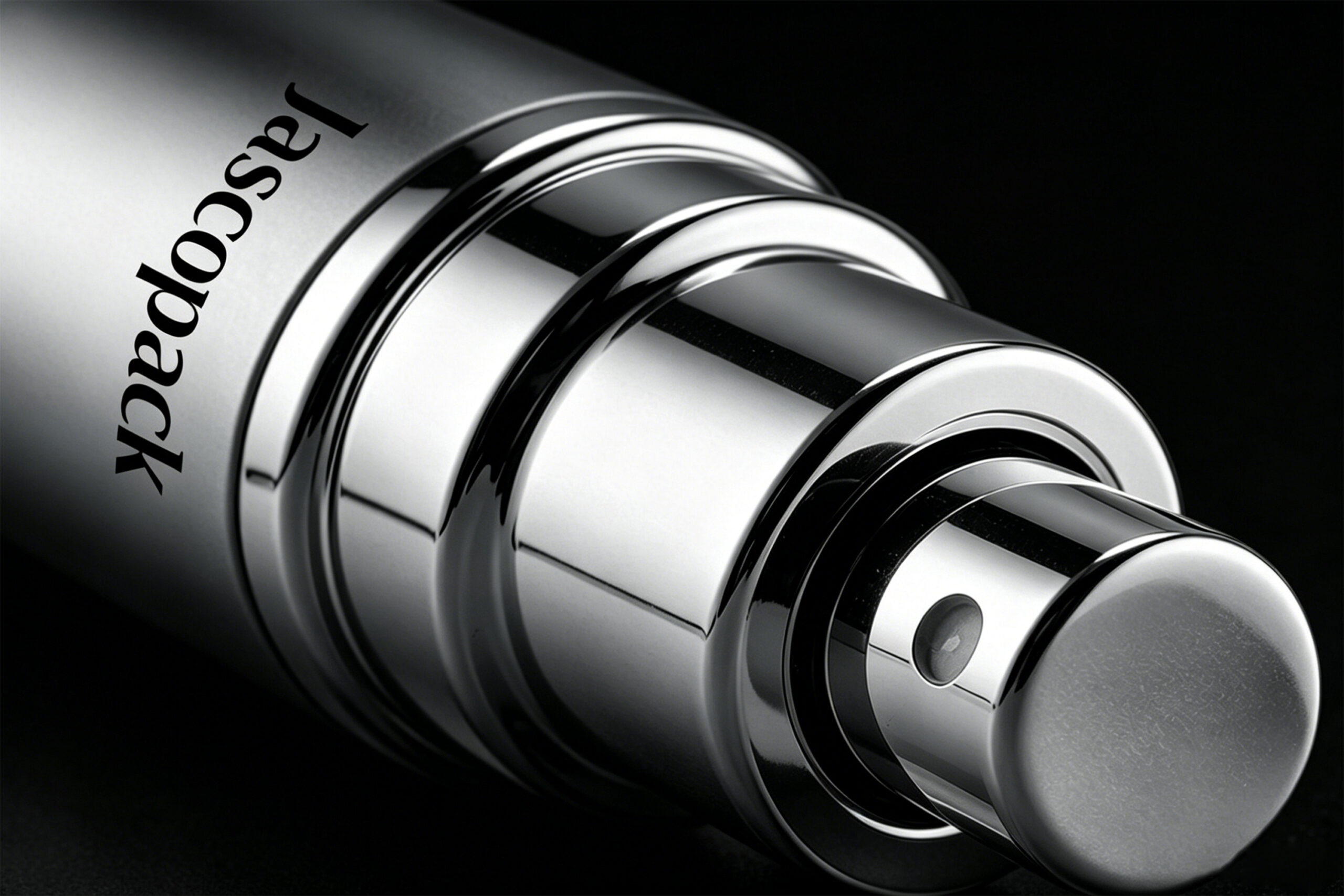
Most professional aluminum perfume bottles use a dual-layer structure. The exterior shell is aluminum, while the fragrance itself is stored inside a compatible inner liner designed to safely handle alcohol-based formulas.
Lightweight Packaging Works Better for E-commerce
One reason aluminum performs so well in modern fragrance packaging is durability. It handles transportation stress far better than glass, particularly for international shipping and direct-to-consumer fulfillment.
As order volume grows, many fragrance brands discover that reducing breakage can significantly lower operational costs over time. Less damage during shipping also improves customer experience and reduces replacement issues.
Lightweight packaging creates another advantage. Consumers increasingly prefer products that are easy to carry throughout the day, especially in travel-size fragrance categories that continue expanding globally.
Aluminum Also Fits Modern Brand Aesthetics
Aluminum packaging also works extremely well for brands targeting minimalist or contemporary positioning. Matte finishes, brushed textures, laser engraving, metallic colors, and understated logo decoration all fit current premium lifestyle trends.
We’ve especially noticed strong demand for aluminum packaging in gender-neutral fragrances, men’s grooming lines, and modern niche perfume brands where industrial-style packaging feels intentional rather than overly decorative.
Why Glass Still Dominates Traditional Luxury Fragrance
Even with aluminum growing rapidly, glass still dominates the traditional luxury perfume market.
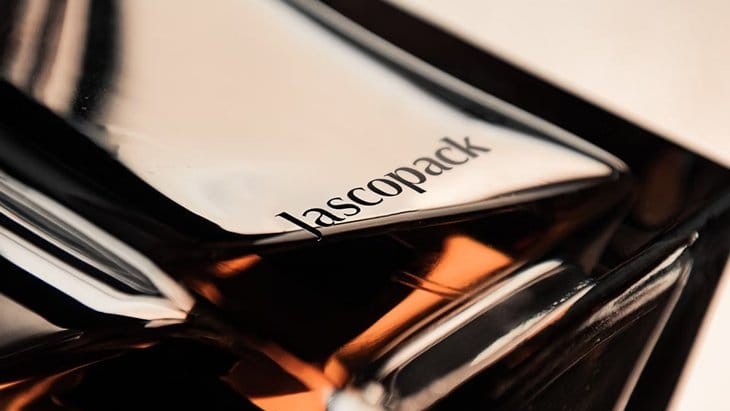
Part of that comes down to psychology. Consumers associate heavy glass with craftsmanship and value because that’s what the fragrance industry has trained buyers to expect for decades. A thick glass bottle simply feels expensive before the cap is even opened.
Heavy Glass Still Shapes Luxury Perception
Luxury fragrance brands rely heavily on visual and tactile presentation. Weight, transparency, and decorative bottle shaping all contribute to how consumers perceive product value on retail shelves.
For premium retail environments, glass still delivers a level of visual impact that remains difficult to fully replace.
Glass Offers More Freedom for Decorative Design
Glass also allows more flexibility for sculptural bottle development. Embossed logos, curved silhouettes, transparent effects, gradient finishes, and artistic molding techniques all help fragrance brands create stronger visual identity.
Many iconic perfume bottles became recognizable partly because of their custom glass shapes, which is why luxury fragrance houses continue investing heavily in custom mold development today.
The Logistics Challenges Behind Luxury Glass Packaging
At the same time, glass creates practical challenges modern brands can’t completely ignore.
Freight expenses increase quickly with heavier packaging, and international shipping damage remains a constant issue, particularly for direct-to-consumer brands shipping globally.
This is one reason many fragrance companies now use hybrid packaging strategies instead of choosing only one material.
More Brands Are Combining Glass and Aluminum Together
One interesting shift happening in fragrance packaging is the rise of dual-format product strategies.
Instead of viewing aluminum and glass as competing materials, many brands now use them together for different parts of the customer experience.
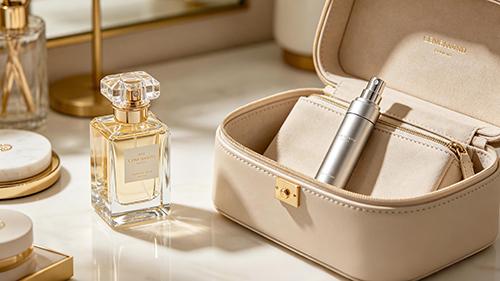
A decorative glass bottle stays at home for retail presentation and display, while a refillable aluminum atomizer becomes the portable version customers carry throughout the day.
This approach solves multiple business and usability challenges at once.
The glass bottle preserves the traditional luxury experience consumers still expect from premium fragrances. The aluminum atomizer improves portability while reducing the inconvenience of carrying fragile packaging outside the home.
We’ve seen this strategy become especially popular among niche fragrance brands targeting younger consumers who care equally about aesthetics, convenience, and lifestyle flexibility.
Durability Matters More Than Most New Brands Expect
One of the biggest surprises for growing fragrance brands is how quickly shipping-related costs begin affecting profitability.
Glass perfume bottles require more protective packaging during transportation, especially for international orders. Foam inserts, thicker cartons, protective wrapping, and higher insurance costs all add up over time.
Breakage creates another layer of cost pressure. Even relatively low damage rates become expensive once order volume increases because refunds, replacement shipments, and customer service issues begin scaling alongside sales.
Aluminum avoids many of these problems simply because it doesn’t shatter.
That doesn’t mean aluminum automatically replaces glass for every fragrance project, but it does explain why many e-commerce-focused perfume brands eventually explore metal packaging after expanding internationally.
Does Aluminum Affect Perfume Quality
This question comes up constantly during packaging development.
Glass is naturally chemically stable, which is one reason it became the traditional industry standard for fragrance storage. Aluminum requires more engineering attention because raw metal shouldn’t remain in direct contact with perfume formulas over long periods.
Professional manufacturers solve this through specialized internal liners and compatibility testing.
When aluminum packaging is produced correctly, fragrance safety isn’t an issue. The more important factor is manufacturing quality and whether the supplier uses reliable internal coating systems specifically designed for alcohol-based products.
Experienced perfume packaging manufacturers test formula compatibility, sealing performance, and long-term storage stability before mass production begins, particularly for products distributed internationally across different climates.
Leakage Problems Usually Start Somewhere Else
A lot of buyers assume bottle material determines whether a perfume package leaks. In reality, leakage issues are usually connected to assembly precision rather than aluminum or glass itself.
Pump quality, sealing structure, neck tolerance accuracy, and crimp consistency matter far more.
We’ve seen poorly assembled glass bottles leak and perfectly stable aluminum atomizers perform flawlessly for years. We’ve also seen the opposite happen when low-quality spray valves were used to reduce production costs.
For travel-size fragrance packaging especially, sealing reliability matters much more to consumers than the actual bottle material.
Sustainability Is Pushing the Industry Toward Refillable Packaging
Sustainability conversations are now influencing nearly every part of cosmetic packaging, including fragrance.
Glass remains valuable because it’s infinitely recyclable and widely accepted across recycling systems globally. However, heavier packaging also increases transportation emissions during shipping.
Why Aluminum Works Well for Refillable Packaging
Aluminum approaches sustainability differently.
Because it’s lightweight and highly durable, aluminum works extremely well for refillable packaging systems designed for repeated long-term use. Many younger consumers now prefer refillable atomizers because they reduce waste while fitting minimalist lifestyle habits.
We’ve noticed that refillability has become one of the strongest selling points for aluminum perfume packaging in recent years, especially among brands positioning themselves around modern sustainability values rather than traditional luxury heritage.
As environmental regulations continue tightening globally, refillable fragrance packaging will likely become even more important across the industry.
So Which Material Is Better
Neither material is universally better because both solve different packaging problems.
Glass remains the strongest option for brands focused heavily on traditional luxury presentation, decorative retail display, and iconic visual identity.
Aluminum performs exceptionally well for portability, refillability, modern branding aesthetics, and international e-commerce logistics.
The better choice depends on what kind of fragrance business you’re building, how your products are distributed, and what type of customer experience your brand wants to create.
For many fragrance brands today, the answer is no longer choosing one material over the other. It’s understanding how both materials can work together across different product formats and customer use scenarios.
Conclusion
The discussion around aluminum vs glass perfume bottles reflects how much the fragrance market itself has changed over the past decade.
Traditional glass packaging still carries strong emotional and luxury value, particularly in high-end retail environments. At the same time, aluminum perfume bottles have evolved far beyond simple travel accessories and are now firmly established in premium fragrance packaging.
Modern fragrance brands are balancing aesthetics with portability, sustainability, logistics efficiency, and changing consumer habits. Packaging decisions today involve much more than appearance alone.
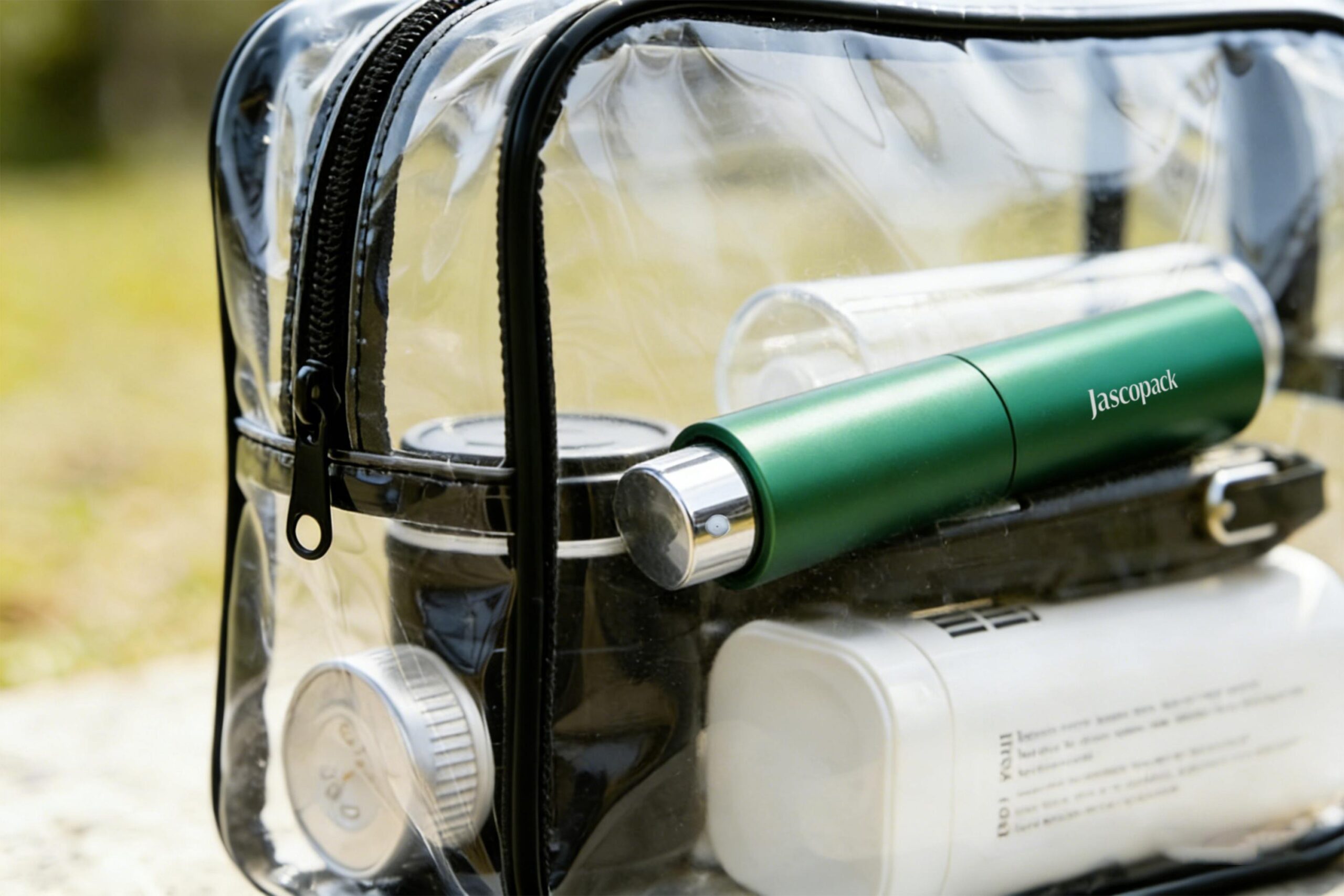
At Jascopack, we work with fragrance brands worldwide to develop both aluminum and glass perfume packaging solutions tailored to different market positions and distribution strategies. From anodized refillable atomizers to customized decorative glass bottles, our OEM and ODM services help brands create packaging that performs well both visually and commercially.
Frequently Asked Questions (FAQ)
Are aluminum perfume bottles safe for fragrances
Yes. Professional aluminum perfume bottles use protective inner liners or coatings that prevent direct contact between the fragrance formula and the metal shell.
Why are aluminum perfume bottles becoming more popular
They offer better portability, durability, refillability, and lower shipping risk, especially for e-commerce fragrance brands.
Are glass perfume bottles more luxurious than aluminum
Traditionally yes, but many modern niche fragrance brands now use anodized aluminum to create a more contemporary luxury appearance.
Which material is better for travel perfume bottles
Aluminum is generally preferred for travel because it’s lightweight and shatterproof.
Do aluminum perfume bottles leak less than glass bottles
Leakage usually depends more on pump quality and sealing precision than bottle material itself.
Can aluminum perfume bottles be recycled
Yes. Aluminum is highly recyclable and works well in refillable fragrance packaging systems.