
Many brands only look at the appearance and specifications when choosing the capacity of perfume bottles, but in fact this step will directly affect the subsequent product structure, cost and market performance.
This article will start from common capacities and brand positioning to help you clarify the selection and matching of different capacities.
Understanding Perfume Bottle Capacity
The size of a perfume bottle typically refers to its capacity—such as 5 ml, 30 ml, or 100 ml. This article focuses on perfume bottle capacity based on liquid volume rather than actual physical dimensions.
Unit Conversion: ml vs. fl. oz.
Before understanding the capacity of perfume bottle, it is best to be familiar with two common units:
Milliliters/ml is an internationally recognized unit of capacity, widely used in the cosmetics industry worldwide.
Fluid ounce/fl.oz. is a commonly used liquid volume unit in European and American markets, which is often used on the capacity labels of perfume, skin care products and other products.
Conversion rate: 1 fl. oz. ≈ 29.57 ml.
Common Perfume Bottle Size Chart
Different markets and brands have different choices of perfume bottle capacity.
The following table lists the capacities and classifications of common perfume bottles for your quick check and comparison.
| Capacity (ml) | Capacity (fl. oz.) | Category |
| 3 ml | 0.10 fl. oz. | Sample Size / Trial Size Perfume Bottle |
| 5 ml | 0.17 fl. oz. | Sample Size / Trial Size Perfume Bottle |
| 8 ml | 0.27 fl. oz. | Mini Size / Travel Size Perfume Bottle |
| 10 ml | 0.34 fl. oz. | Travel Size / Portable Perfume Bottle |
| 15 ml | 0.51 fl. oz. | Travel Size Perfume Bottle |
| 30 ml | 1.01 fl. oz. | Entry-Level Retail Perfume Bottle |
| 50 ml | 1.69 fl. oz. | Standard Retail Perfume Bottle |
| 100 ml | 3.38 fl. oz. | Full-Size Perfume Bottle |
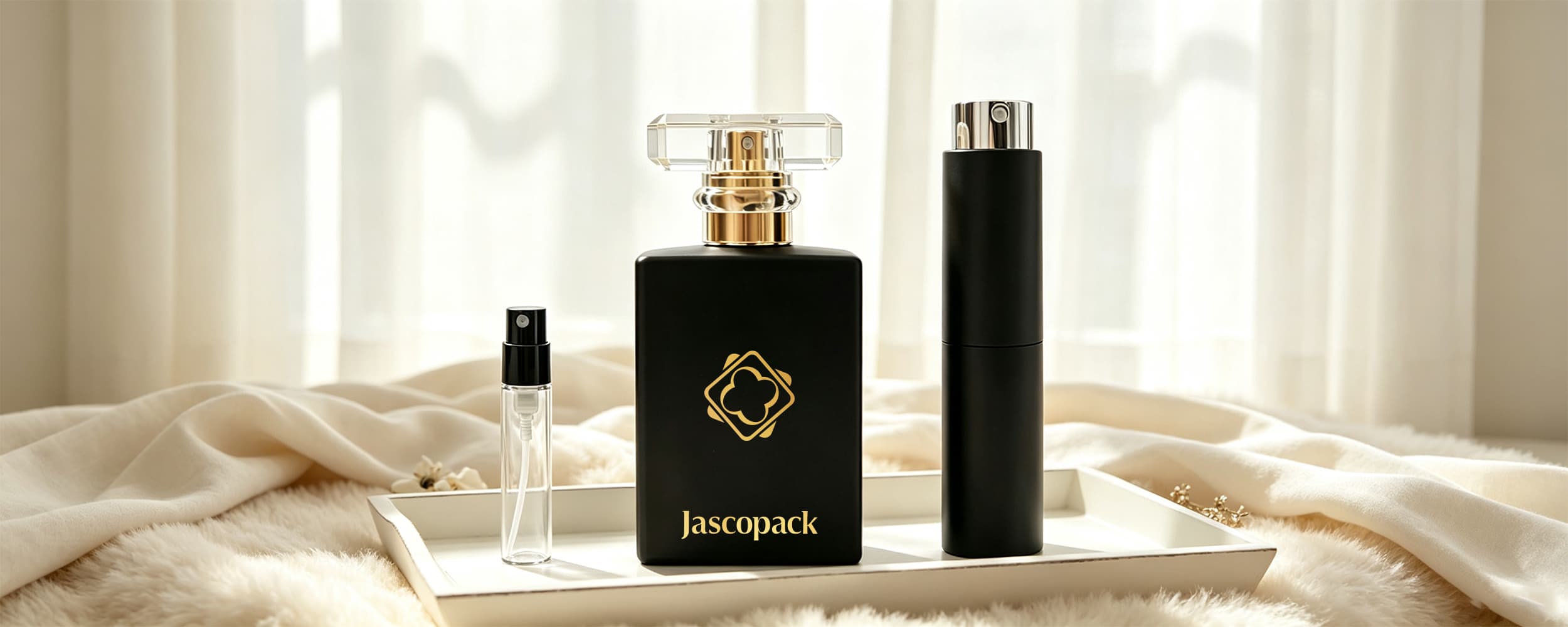
Application and Cost of Different Perfume Bottle Capacities
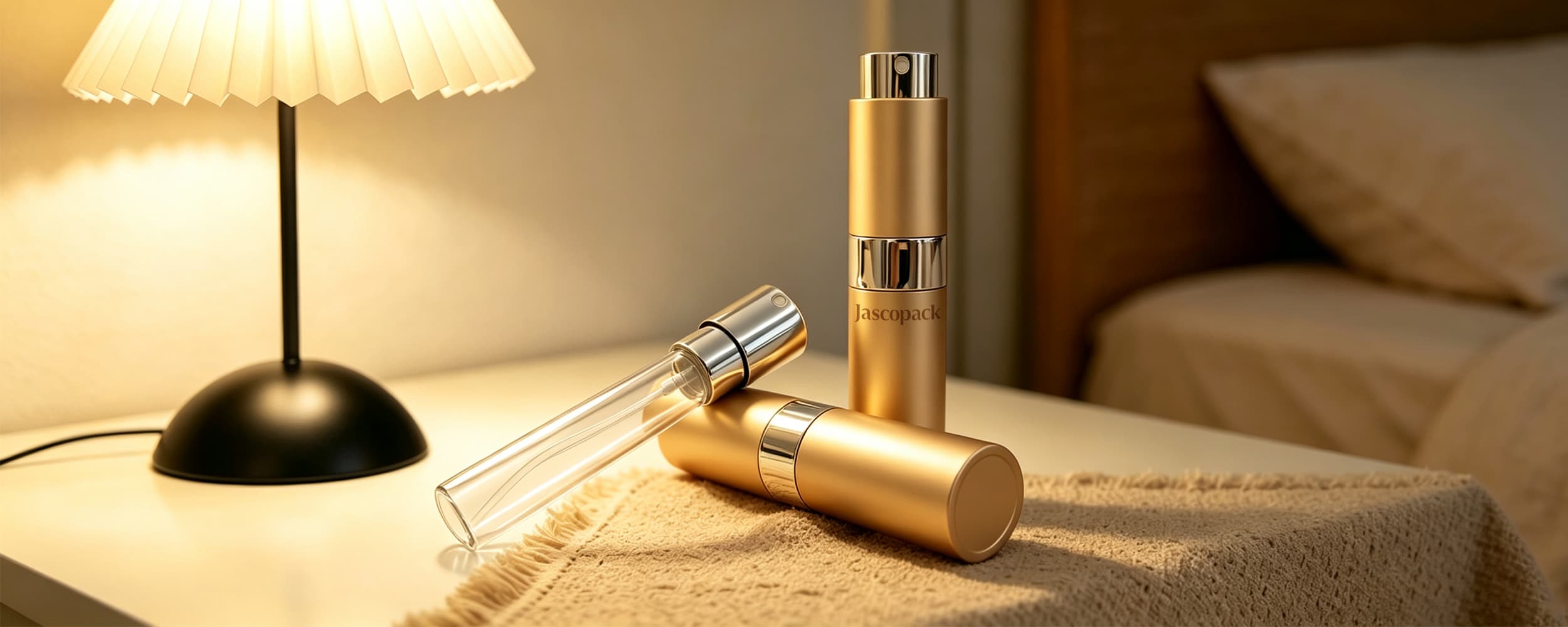
Small-Capacity Perfume Bottles (1-15ml)
If you are preparing to launch a new perfume or want to test a new fragrance, small-capacity bottles will be more suitable. This small-capacity perfume bottle is often used for fragrance testing, new product promotion, and event gifts.
Through small-scale advertising, you can conduct market testing at a lower cost and obtain genuine user feedback. The unit price of small-capacity perfume bottle is lower, and the investment risk in the early stage is also lower, which can help you relieve the inventory pressure caused by mass production.

Medium-Capacity Perfume Bottles (30-50ml)
Medium-capacity perfume bottle is the most common specification on the market at present. If you are unsure which capacity to choose, as the main product, 30ml perfume atomizer or 50ml perfume bottle is a more reliable choice. These two capacities are very suitable as the core sales models of the brand.
From a production perspective, the bottle shape and mold of medium-capacity bottles are relatively mature, and the filling and packaging processes are also more standardized, so the overall production efficiency is high and the cost is easy to control.
Large-Capacity Perfume Bottles (75-200ml)
Large-capacity perfume bottles are used in more mature product lines or high-end markets, with more emphasis on the use cycle and brand image of perfume. It is also commonly used in gift boxes and high-end perfume lines to enhance product value.
Although the cost and initial investment of a large-capacity single bottle are higher, in terms of unit capacity, it is more cost-effective and suitable for you to use as a high customer price product for your brand or upgrade your series.
Regional Preference of Perfume Bottle Capacities
Consumers in different regions have different preferences for perfume bottle capacity and packaging design. Therefore, making choices based on the preferences of the target market can help improve the market performance of the product.
Middle East Market
The Middle East market generally prefers 75-200ml large capacity perfume bottles, generally 100ml and 200ml. Local consumers pay more attention to the high quality and high-end sense of perfume, so they also prefer “luxurious style” in packaging design. For example, you can use metal plating process, heavy glass bottle body, or decorative bottle cap design to meet the local market demand.
It is worth noting that in the Middle East, social activities are frequent and people pay attention to etiquette and the sense of ceremony in social occasions. In this cultural atmosphere, perfume is regarded as a necessity in daily life, and high-quality perfume is particularly popular.
Southeast Asian Market
In the Southeast Asian market, the selection of perfume bottle capacity is more flexible. 5-15ml and 30-50ml are common choices. The local climate is hot, and consumers pay more attention to portability and cost-effectiveness, and are more willing to try fresh and elegant fragrances. In terms of design, it is best to adopt a lightweight, portable, and easily refillable packaging design.
North American & Western European Markets
Consumers in North America and Western Europe pay more attention to the use experience and hope that perfume bottles are practical and comfortable. They are generally more willing to buy 30-50ml or 100ml capacity.
At the same time, consumers are increasingly concerned about the concept of sustainable development of brands. In packaging, a more common style is modern simplicity and minimalism, gradually moving towards environmentally friendly materials and recyclable packaging.

Selecting Perfume Bottle Capacities Based on Brand Positioning
High-End Luxury Perfume Brands
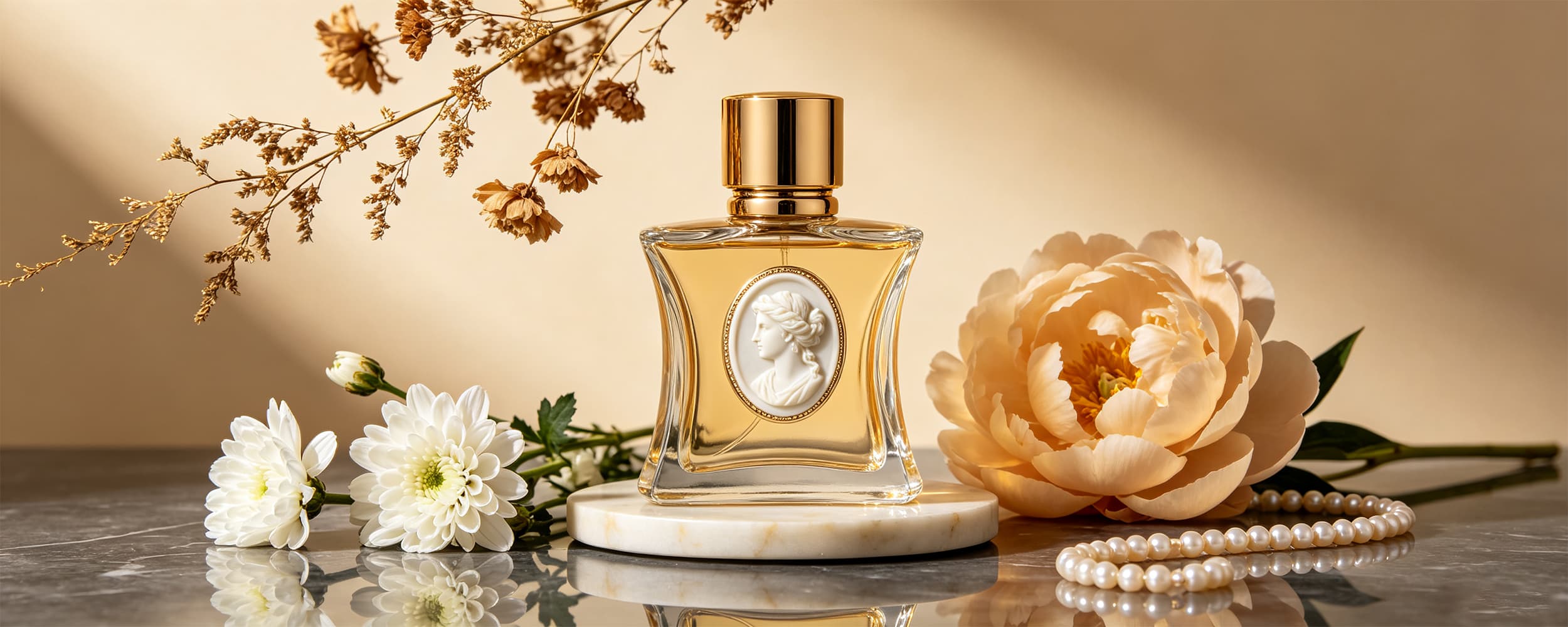
For high-end luxury perfume brands, it is recommended that you give priority to the combination of 50ml and 100ml. Large capacity perfume is easier to convey a sense of “high value” and collection, and also helps to improve customer price and profit space, which usually appears in high-end department stores, boutique retail or gift channels.
Mid-Range Perfume Brands
If your brand is positioned in the mid end perfume market, it is recommended to take 30ml and 50ml as the core capacity combination. 30ml can be used as an entry-level option and 50ml as the main model, which can meet consumers’ daily usage needs and form a more stable long-term sales structure, suitable for e-commerce platforms, chain retail, and collection stores.
Indie/Niche Perfume Brands
For niche or independent brands, starting with 10ml and 30ml capacities is recommended. This combination can help you reduce the cost of trial and error, and users are more willing to try new fragrances. At the same time, it is convenient for you to quickly obtain market feedback and continuously optimize the product. Especially suitable for social media e-commerce and small batch sales.
Travel/functional Perfume Brand
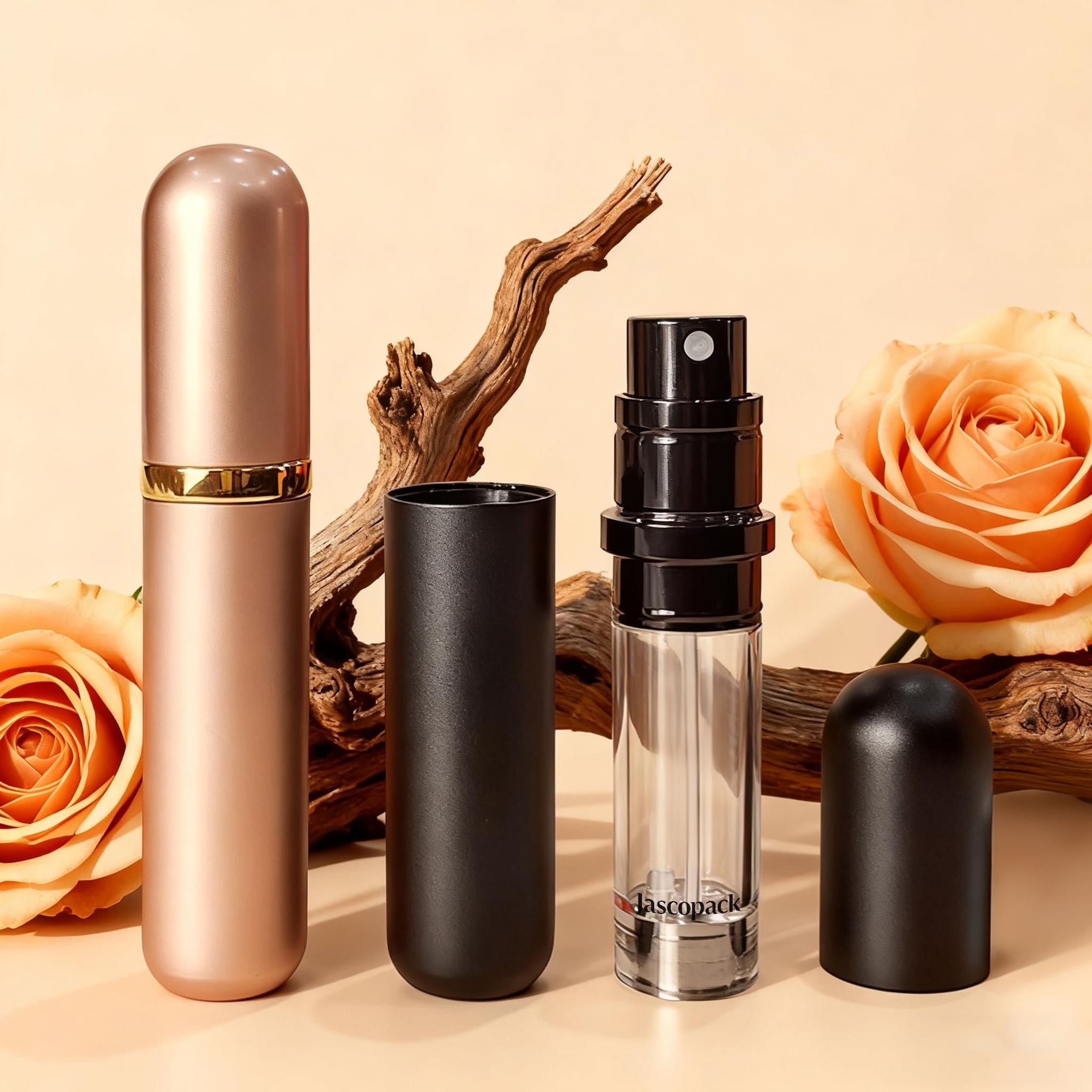
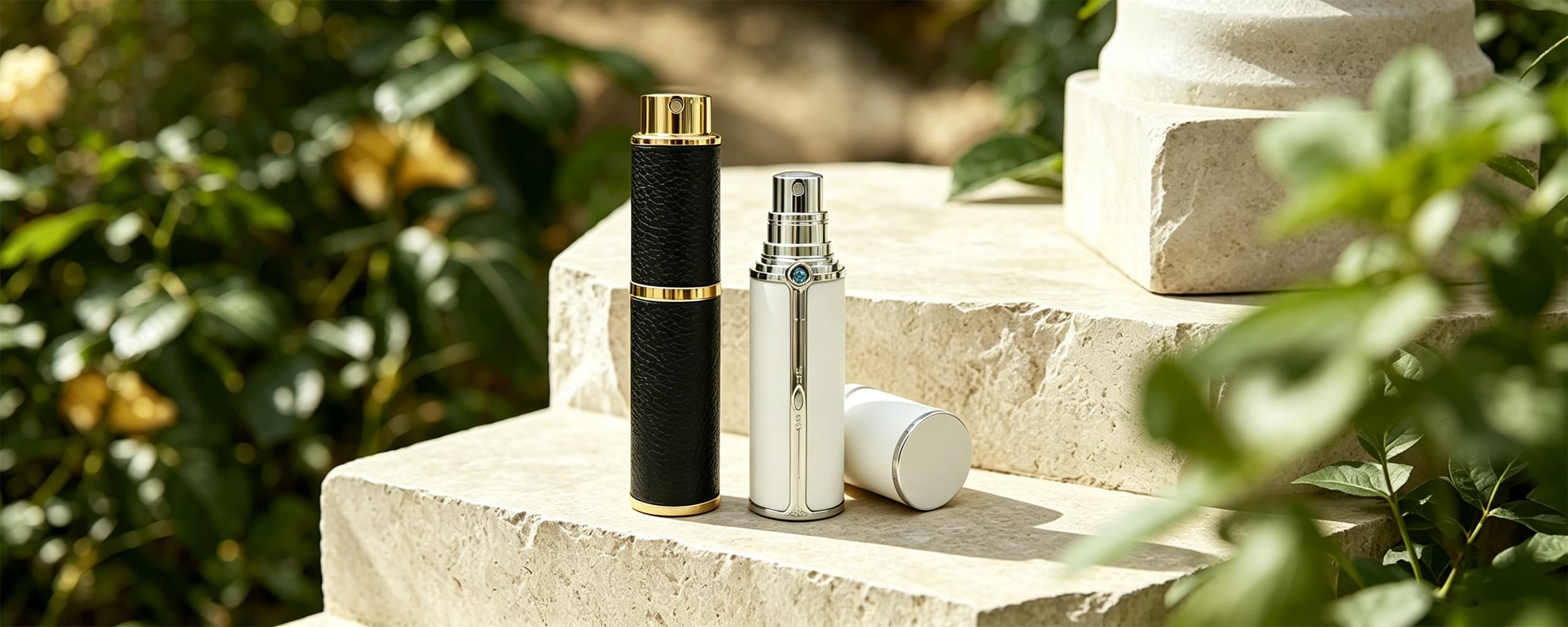
If your perfume is more travel oriented or functional, it is recommended that you choose 5ml and 10ml. This kind of travel perfume bottle is convenient to carry and can be re sprayed at any time. It is often used in travel clothes, carry on clothes, or gift combinations. The use frequency and repurchase rate of users will increase.
In summary, the choice of perfume bottle capacity is ultimately determined by a combination of factors, including your brand positioning, sales channels, and user usage scenarios.
Conclusion
Choosing the right perfume bottle capacity is a key step to improve your brand sales. Jascopack provides a full range of perfume bottle solutions to help your perfume bottle sales grow steadily in the market.
FAQ
Do different perfume bottle capacities have the same MOQ?
No, they differ. The MOQ of perfume bottles with different capacities is affected by mold, bottle shape, production process and other factors.
Should I develop multiple capacity specifications at the same time?
It is recommended to adopt this practice, but avoid introducing too many perfume bottles at the initial stage. A common approach is to first develop 2-3 core specifications, such as the 5-10ml pack for trial use and the 30ml pack as the flagship product. This approach can cover most user scenarios and can be adjusted based on market feedback.