
If you’re working on a new fragrance, it pays to understand how Parfum, Eau de Parfum, and Eau de Toilette differ.
Once you know that, you can plan your perfume product positioning more clearly and pick packaging that actually lines up with what the market wants.
What is Parfum?
Perfume, also known as fragrance essence, has a higher concentration of fragrance essence and contains a higher proportion of fragrance ingredients, so it has a richer fragrance and a longer-lasting scent.
Parfum typically has a fragrance oil concentration of 20% to 40%. That high concentration creates a complex, multi-layered scent experience, and because it’s so potent, you only need a small amount to get the effect you’re after.
What is Eau de Parfum (EDP)?
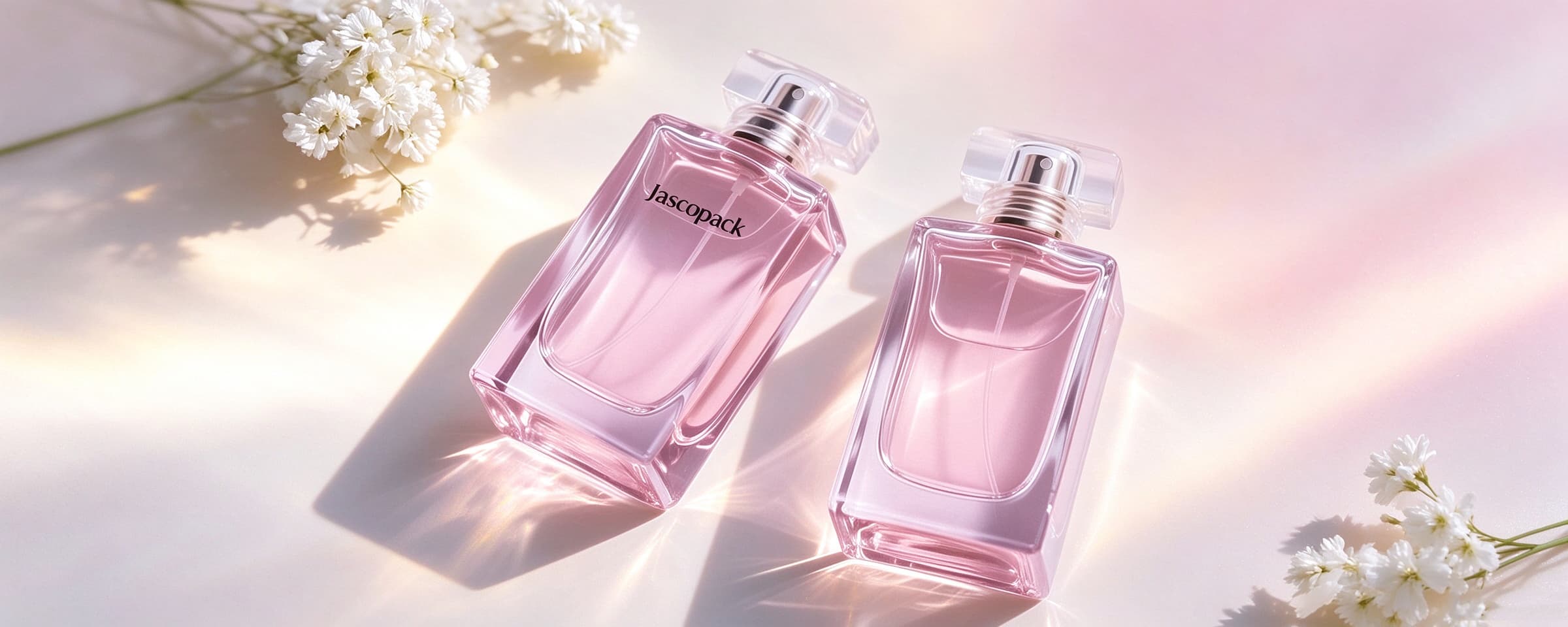
Eau de Parfum usually contains 15% to 20% fragrance oil. Compared with Parfum, its scent profile is better suited for daily use, which is why it’s one of the most common fragrance types on the market.
EDP sits somewhere in the middle. Its fragrance concentration is moderate, and its staying power falls between Parfum and EDT—noticeable, but not overpowering. You’ll find EDP in plenty of sizes, too. 30 ml, 50 ml, and 100 ml are standard retail formats that cover what consumers expect, while still giving your brand room to create custom designs based on its specific positioning.
What is Eau de Toilette (EDT)?
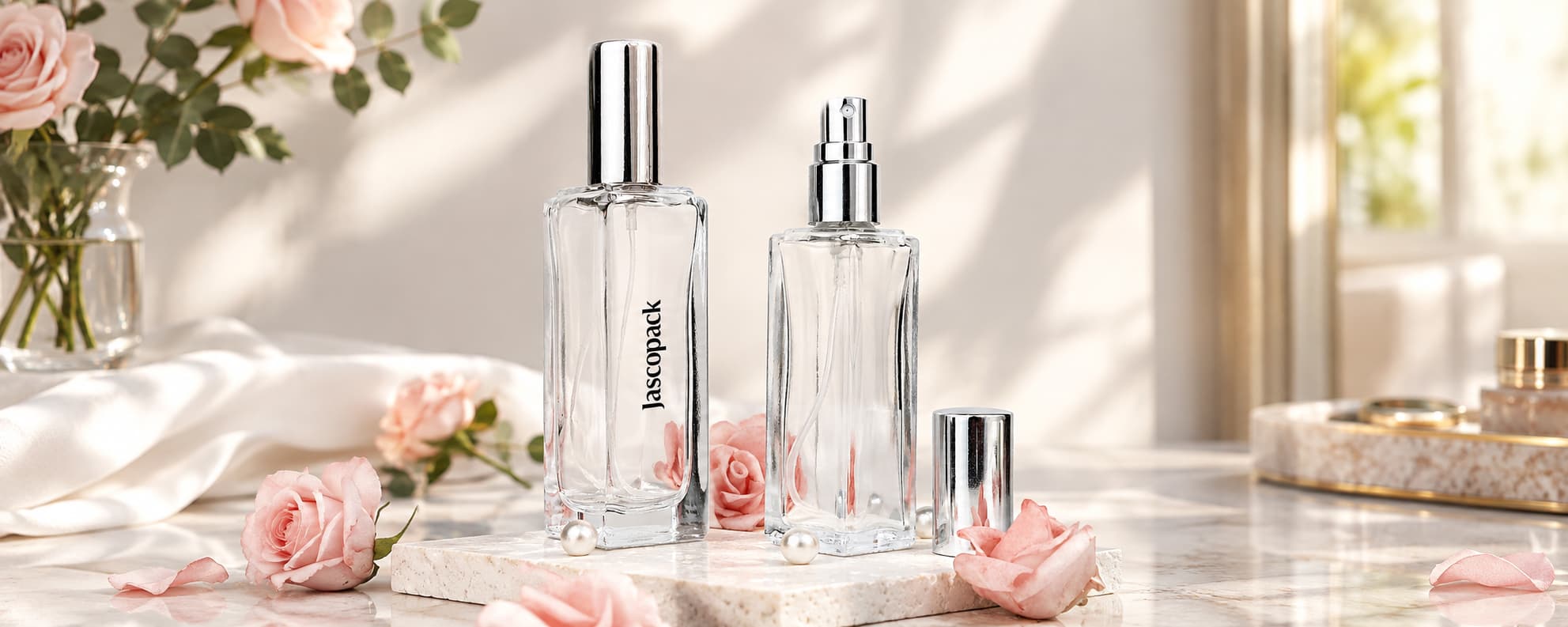
Eau de Toilette, by contrast, carries less oil, normally somewhere between 5% and 15%—and gives off a lighter, fresher smell. It also fades and spreads faster than Parfum or EDP, which is why the opening notes tend to grab your attention first.
EDT has a lower fragrance concentration, which gives it a lighter feel. It’s a popular choice for everyday wear, particularly for fresh, airy scents. Its scent often lasts around three to five hours, making it a practical option for everyday fragrance lines and mass-market collections.
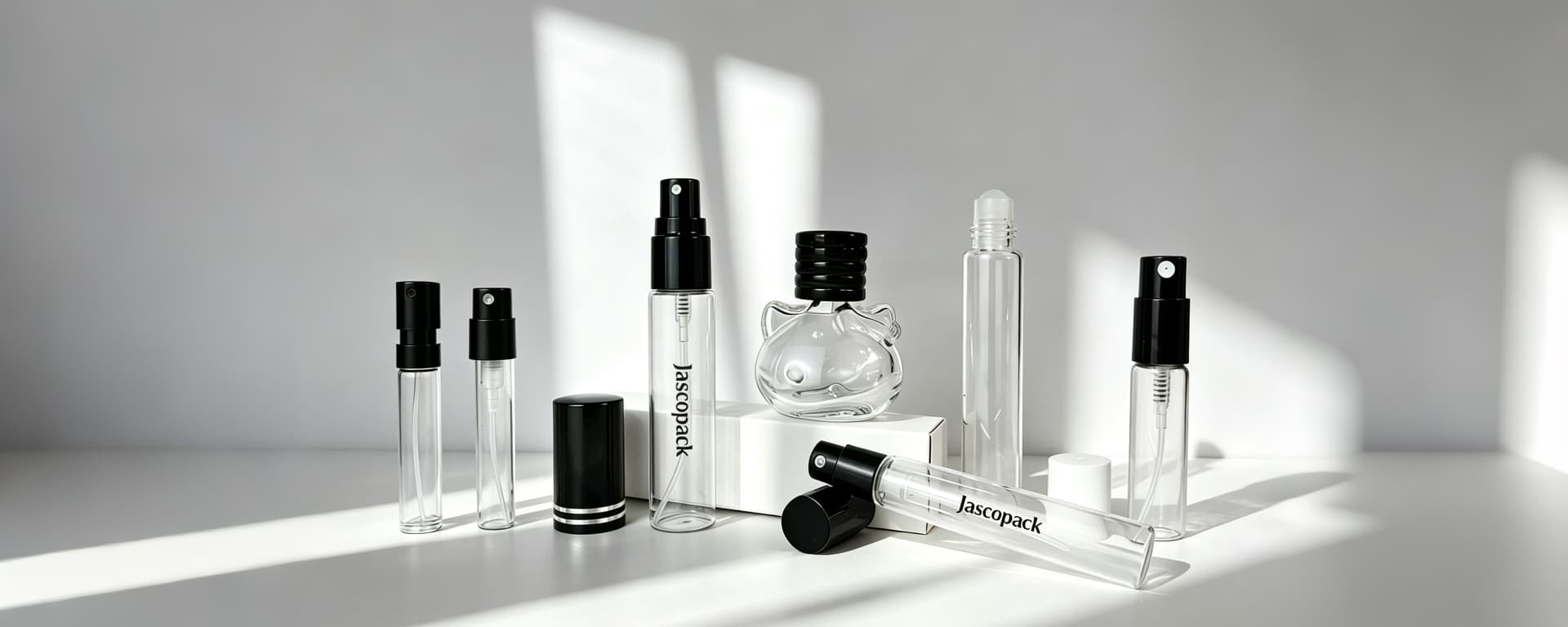
How Do Parfum, Eau de Parfum, And Eau de Toilette Differ?
Quick Comparison Table
Type | Fragrance Concentration | Typical Longevity (Reference) | General Characteristics |
| Parfum / Extrait de Parfum | Approx. 20%–40% | Relatively long-lasting | High fragrance concentration |
| Eau de Parfum (EDP) | Approx. 15%–20% | Between Parfum and EDT | One of the most common perfume types on the market |
| Eau de Toilette (EDT) | Approx. 5%–15% | Relatively short-lasting | Lower fragrance concentration |
One thing worth keeping in mind: concentration and longevity are never set in stone. Even within the same fragrance type, the final scent can shift based on the formula, the ingredients, and the surroundings where it’s worn.
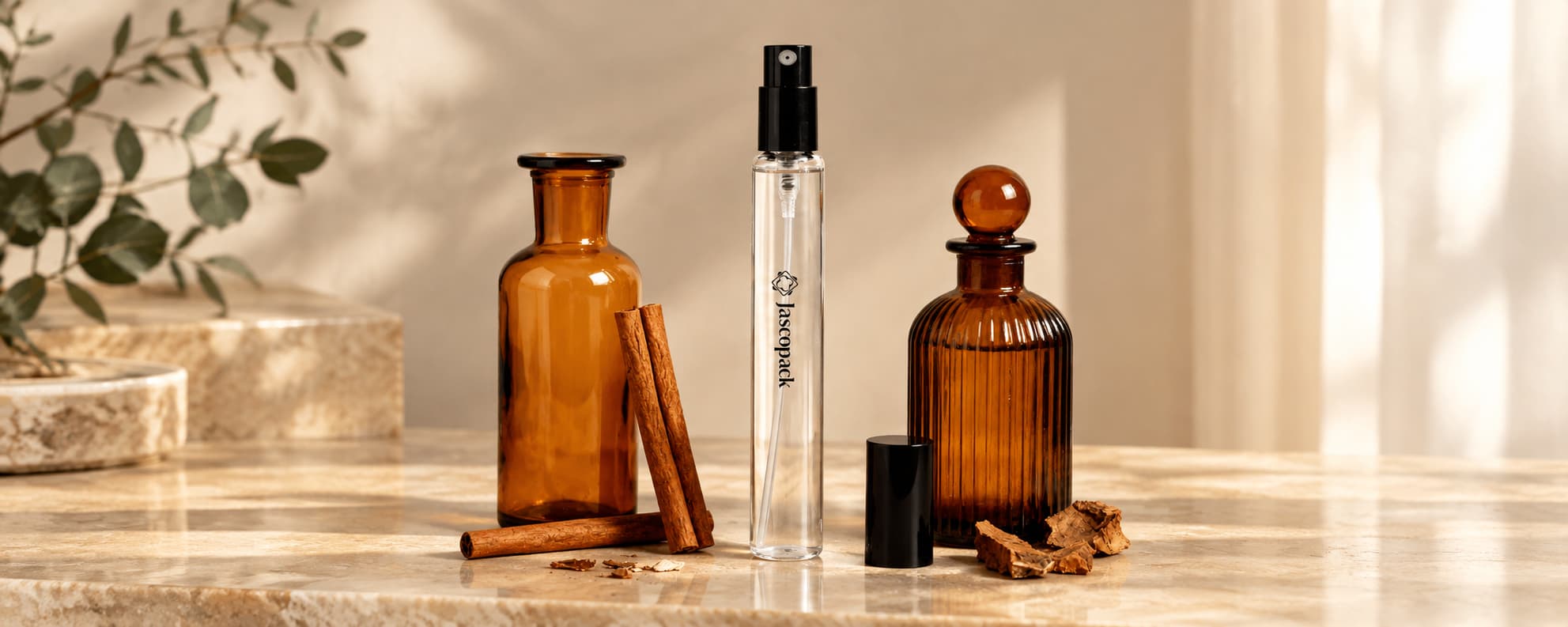
Does Fragrance Concentration Influence Perfume Bottle Selection?
Perfume concentration alone doesn’t force you into a particular bottle type. You can put different concentrations into glass bottles, spray bottles, or other packaging formats. What actually drives the decision is your brand positioning and what the market is asking for—those are the things that should shape your bottle design strategy.
What Kind of Bottle Is Suitable for Parfum?
Take Parfum, for example. With high-concentration fragrances, the focus lands on the scent experience and how premium the product feels. That puts extra weight on how the bottle feels in the hand and how well it seals.
That’s why brands often go with high-quality glass or special surface finishes—to make sure the bottle looks and feels consistent with where the brand sits. You’ll also want to check the spray performance and sealing integrity, ideally by testing with your actual fragrance formula.
How Should a Bottle Be Selected for EDP?
EDP is one of the most widely used fragrance types out there. For this category, packaging has to strike a balance between aesthetic design and practical production needs. The perfume bottle should show off your brand’s identity while still spraying the way it should.
What Should Be Considered for EDT?
EDT is widely used in everyday fragrance lines, so it can be found in many different product ranges. When sourcing bottles for these products, appearance is only part of the decision. Pump durability, sealing performance, and the supplier’s ability to maintain a steady supply are just as important, especially for brands planning repeat orders.
Conclusion
For your brand, fragrance concentration is only one piece of the development puzzle. It doesn’t determine the bottle’s capacity, material, or visual design.
With over 22 years of experience in cosmetic packaging manufacturing, Jascopack provides professional packaging solutions for fragrance brands, covering everything from custom design to mass production.
FAQ
Can one perfume bottle design work for different fragrance concentrations?
Yes. The same perfume bottle design can be used for fragrances with different concentrations, provided the packaging is compatible with each formula. You can check the perfume bottle material, spray pump, and sealing components to make sure they can handle the specific fragrance and maintain reliable performance.
What materials are commonly used for your perfume bottles?
You can choose glass, aluminum, plastic, or leather for different parts of your perfume spray bottle, depending on the design you have in mind. Glass can serve as the main bottle that holds your fragrance, while aluminum, plastic, and leather can be used for the outer shell, cap, or decorative details.
What aspects of the perfume bottle can be customized?
You can customize your perfume bottle’s shape, color, material, and surface finish to match your brand’s style. If you also need gift boxes, you can customize the outer packaging, inner lining, and color scheme to create a coordinated look for your entire packaging set.