
Perfume can change color over time because of oxidation, light, temperature, and other factors. When the change is sudden and obvious, customers may question the quality of the perfume bottle.
This article explains the primary causes of color change and helps your brand effectively mitigate the potential risks associated with it.
Why Does Perfume Change Color?
Oxidation Perfume
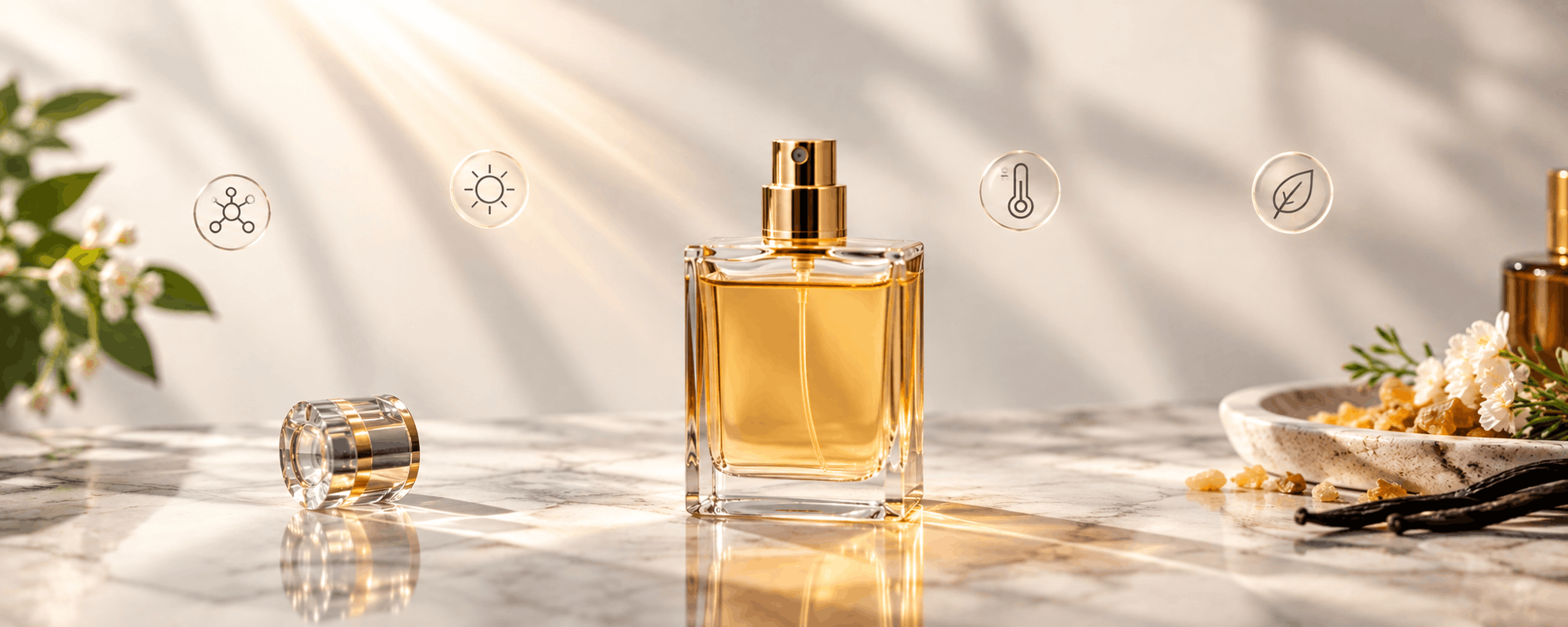
Every time the bottle is opened, the perfume is exposed to air, causing its ingredients to react with oxygen. If the bottle is not properly resealed, oxidation accelerates, so how well the bottle seals really matters.
Light Exposure
Direct sunlight or strong light can also cause discoloration if the perfume is exposed for long enough. UV rays speed up the breakdown of fragrance molecules, which can make the perfume yellow or darker, and change how it smells.
High Temperatures
High temperatures speed up chemical reactions inside the bottle, making the perfume more likely to oxidize and its ingredients more likely to break down.
Natural Ingredients
Natural ingredients in perfume can change over time, and that often makes the color gradually darker and the fragrance yellow. Natural essential oils and resins can also have colors of their own.
Which Perfumes Are More Prone to Discoloration?
Perfumes with a high concentration of natural or botanical ingredients. Floral scents (like those using rose essential oil), citrus-forward fragrances, and perfumes with vanilla often contain a higher share of natural ingredients. Their essential oils may include components that oxidize easily, so the perfume can age naturally and discolor during long storage.
Perfumes stored under poor conditions or lacking adequate packaging protection. The same goes for perfumes kept in poor conditions or packaged with little protection. Clear or light-colored glass doesn’t block much light, so the perfume inside is more likely to discolor.
Does Discoloration Mean the Perfume Has Spoiled?
Discoloration doesn’t always mean the perfume has gone bad. Some perfumes shift color slightly while the scent stays the same. That’s often just natural aging of the ingredients; color alone doesn’t tell you for sure whether a perfume is spoiled.
Color is only one thing to look at when judging whether a perfume has gone off. If the color changes suddenly and noticeably, or there’s an unusual smell, or if foreign matter or sediment shows up, then it’s worth looking into further.
Can Packaging Affect Perfume Discoloration?
Perfume discoloration mostly comes down to formula stability, oxidation, and light exposure. That said, the packaging itself can also affect how quickly the color changes.
Light-Blocking Capabilities of the Bottle
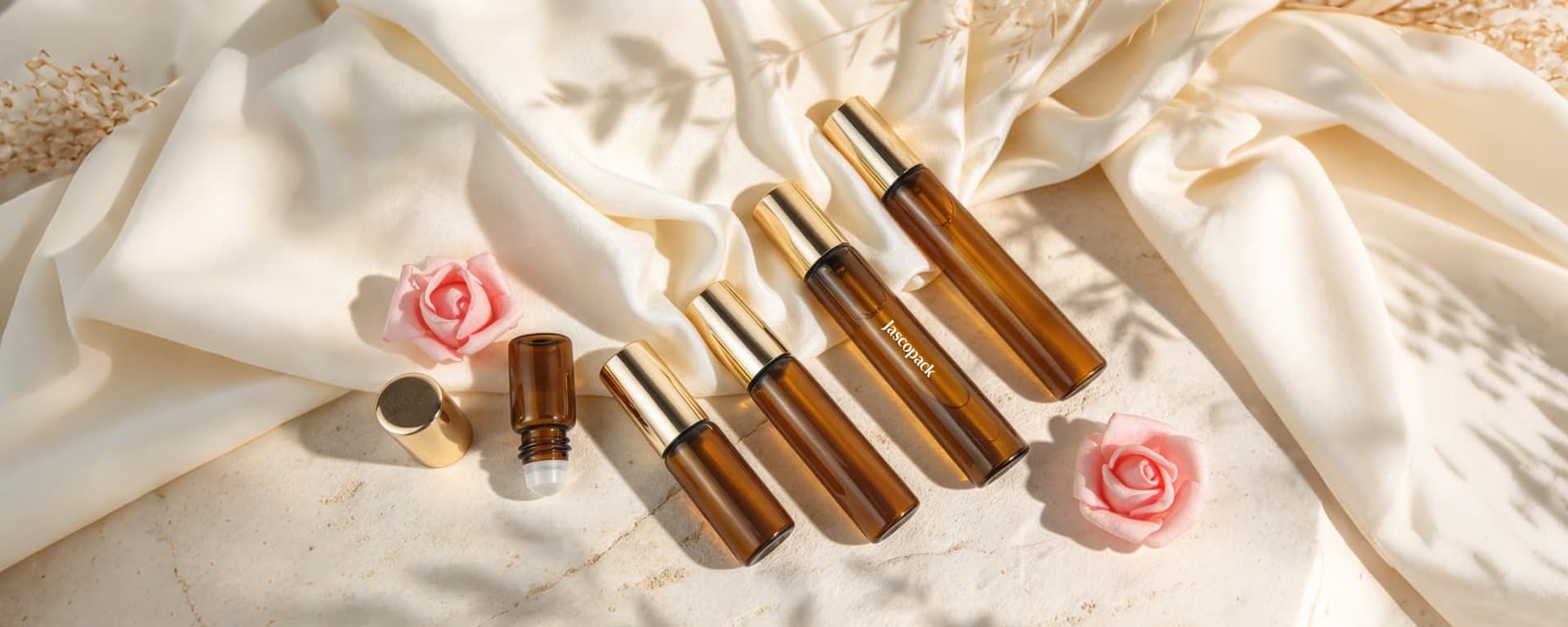
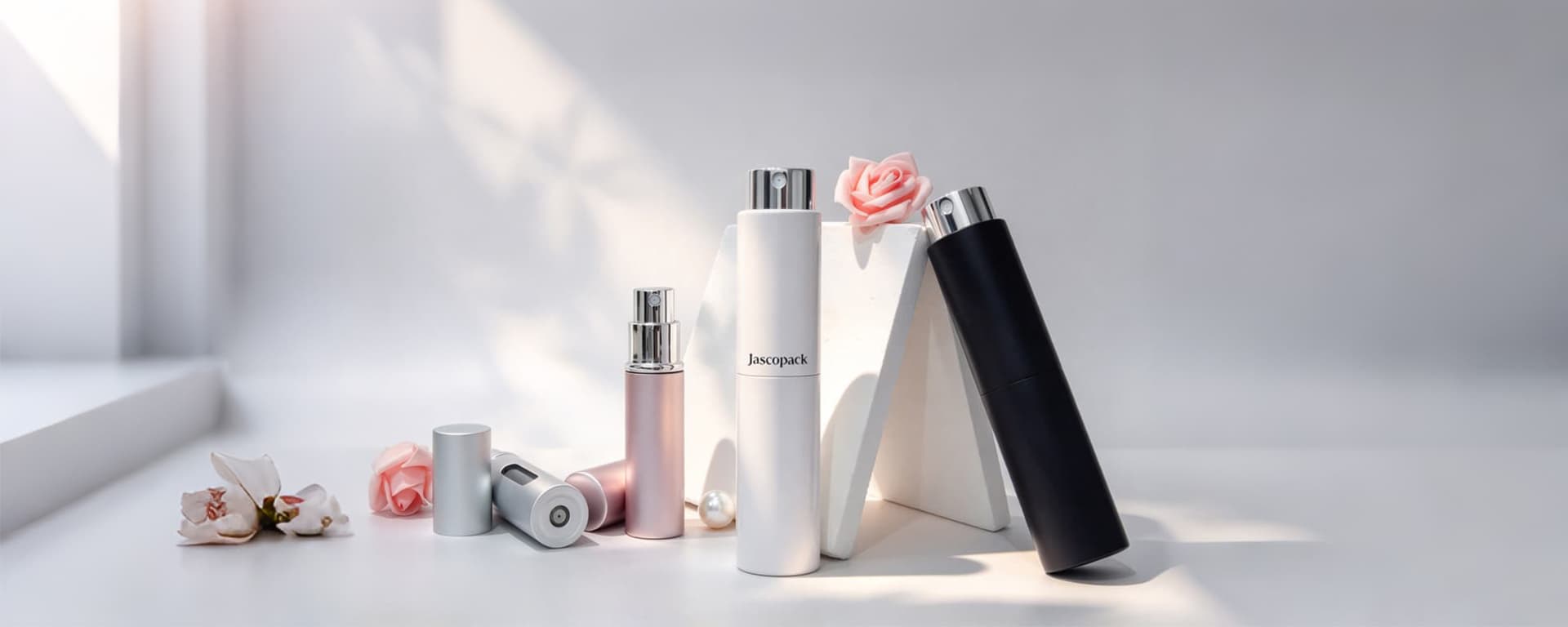
Clear bottles show off the perfume’s color, but they don’t protect it well from light. Amber or dark bottles can block light to some extent. Packaging designs with an inner vial inside an outer shell, which is common in spray bottles, can also block more light.
Packaging Airtightness
Certain active ingredients in perfume are sensitive to air, making the airtightness of the fragrance packaging crucial. Components such as the perfume bottle neck structure, spray pump, and sealing gaskets all affect how well the bottle is sealed.
If the packaging seal isn’t good, the fragrance inside can escape during long shipping or long storage, and the formula may become less stable over time.
Compatibility Between Packaging Materials and the Formula
Perfume packaging isn’t just the glass bottle, and other parts touch the fragrance too. Glass is very chemically stable, but perfume formulas often contain alcohol and complex aromatic ingredients. If the packaging materials don’t work well with the formula, discoloration can happen over time from prolonged contact.
Therefore, it is best to conduct compatibility tests using the actual formula and packaging; the suitability of the packaging cannot be determined solely by the bottle material.
How Can Your Brand Reduce the Risk of Perfume Discoloration?
Assess the stability of raw materials. Check how stable your raw materials are. Before you start, figure out which ingredients are natural or sensitive, so you can predict what might cause natural aging or discoloration over time.
Select packaging based on the formula. Choose packaging that fits the formula. Based on the specific formula, pick the right bottle material and sealing structure so the packaging works as well as possible and helps limit light-related discoloration.
Before mass production, run compatibility and stability tests. Test with the perfume’s actual formula and packaging, and watch how the perfume’s color and condition hold up under different storage conditions. When shipping, keep exposure to high heat and strong light to a minimum, and think ahead about how different markets and shipping methods might affect the product.
Conclusion
To manage that risk, you need to address several things at once: formula, storage, and packaging. Jascopack can provide perfume bottle solutions that fit your specific formula and packaging needs.
FAQ
Can unopened perfume change color?
Yes, it can happen. Natural ingredients in perfume can change over time, causing slight discoloration as part of natural aging.
Does a darker perfume color imply a higher concentration?
Not necessarily. Perfume color mainly comes from the raw ingredients in the formula. Some low-concentration perfumes can look dark because they use dark natural ingredients. So you can’t judge fragrance concentration by color alone.
Can the color vary from batch to batch of the same perfume?
Yes, slight color differences may occur between perfume batches. This is worth considering when choosing clear or transparent perfume bottles, as the formula color becomes part of the perfume bottle’s overall appearance. Before mass production, test the actual perfume in the selected packaging to confirm the final look.
Does the color of the perfume affect its scent?
Not necessarily. Small color changes can be natural and may not noticeably affect the fragrance. But if the color changes suddenly and dramatically, and there’s a harsh or unpleasant smell, you should take a closer look at the stability of the perfume formula and packaging.