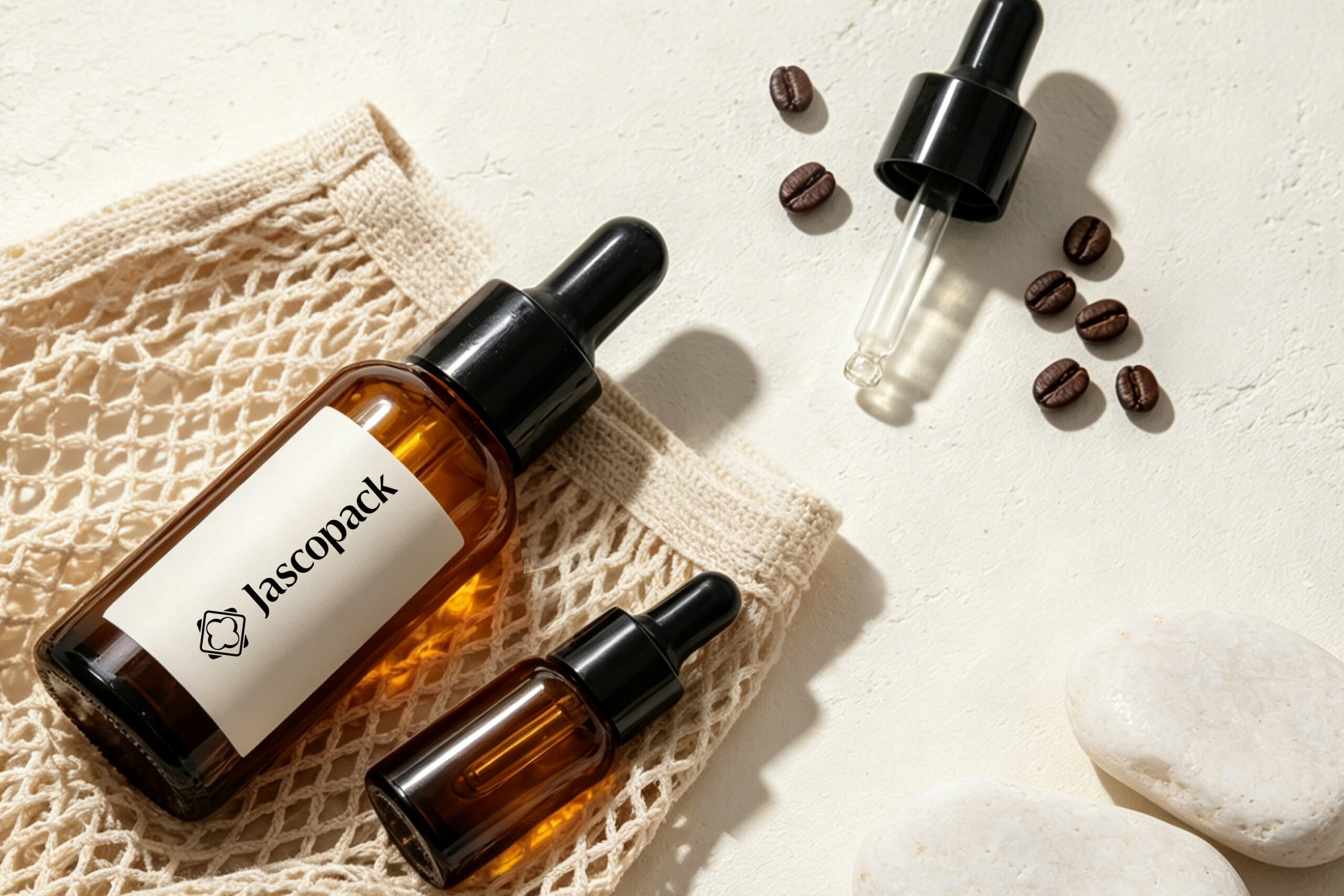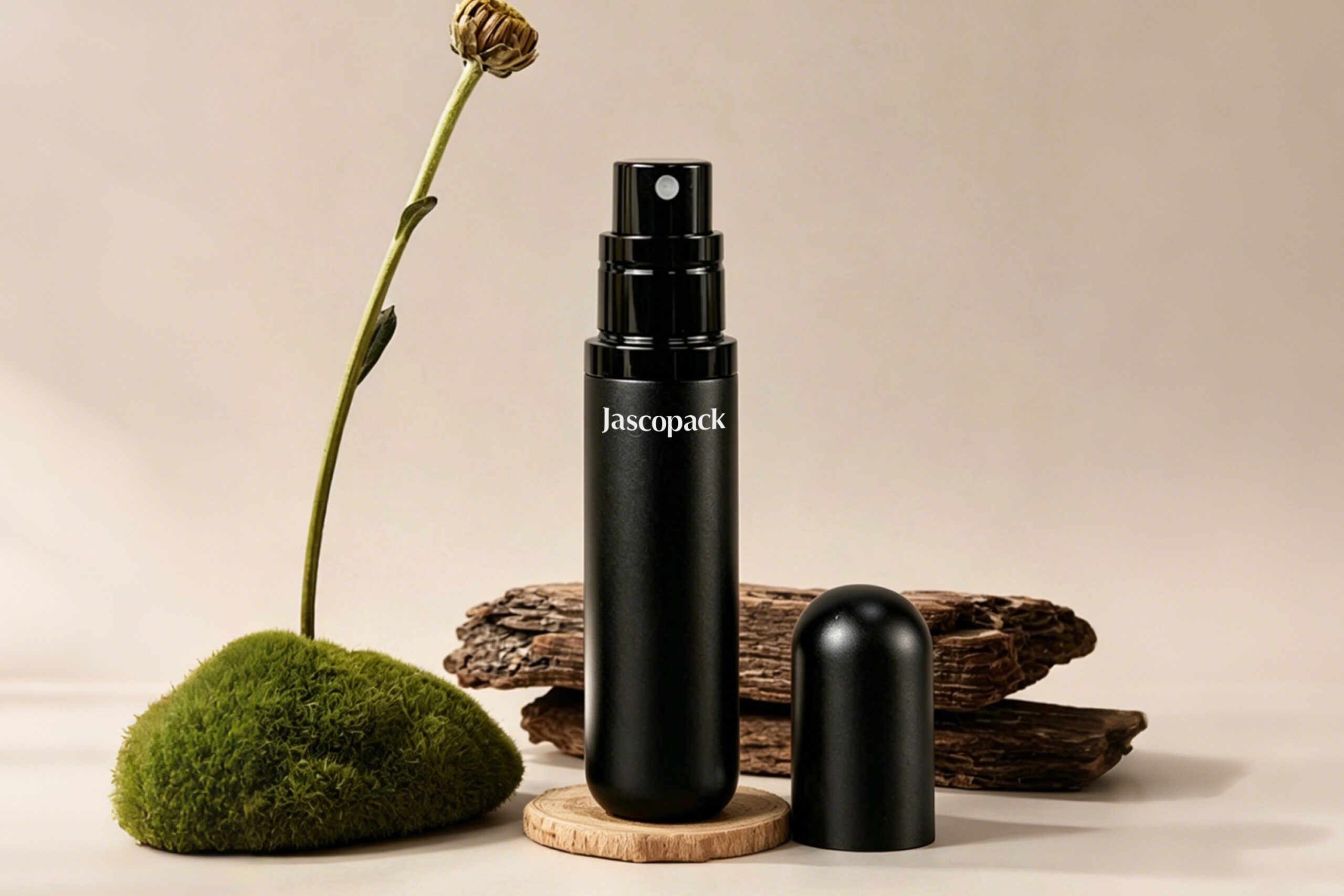

Perfume bottles can be recycled, but it’s not as simple as recycling ordinary glass bottles. When developing a perfume bottle, in addition to considering the bottle material, you also need to pay attention to its component structure and surface treatment, as these will affect the subsequent recycling process.
Can Perfume Bottles Be Recycled?
Glass perfume bottles are actually pretty easy to recycle. Most can go into recycling if your local rules allow it. The process is usually simple: the glass is sorted by color and type, cleaned, crushed into shards, and then used to make new perfume bottles or other glass products.
Why Are Some Perfume Bottles Harder to Recycle?
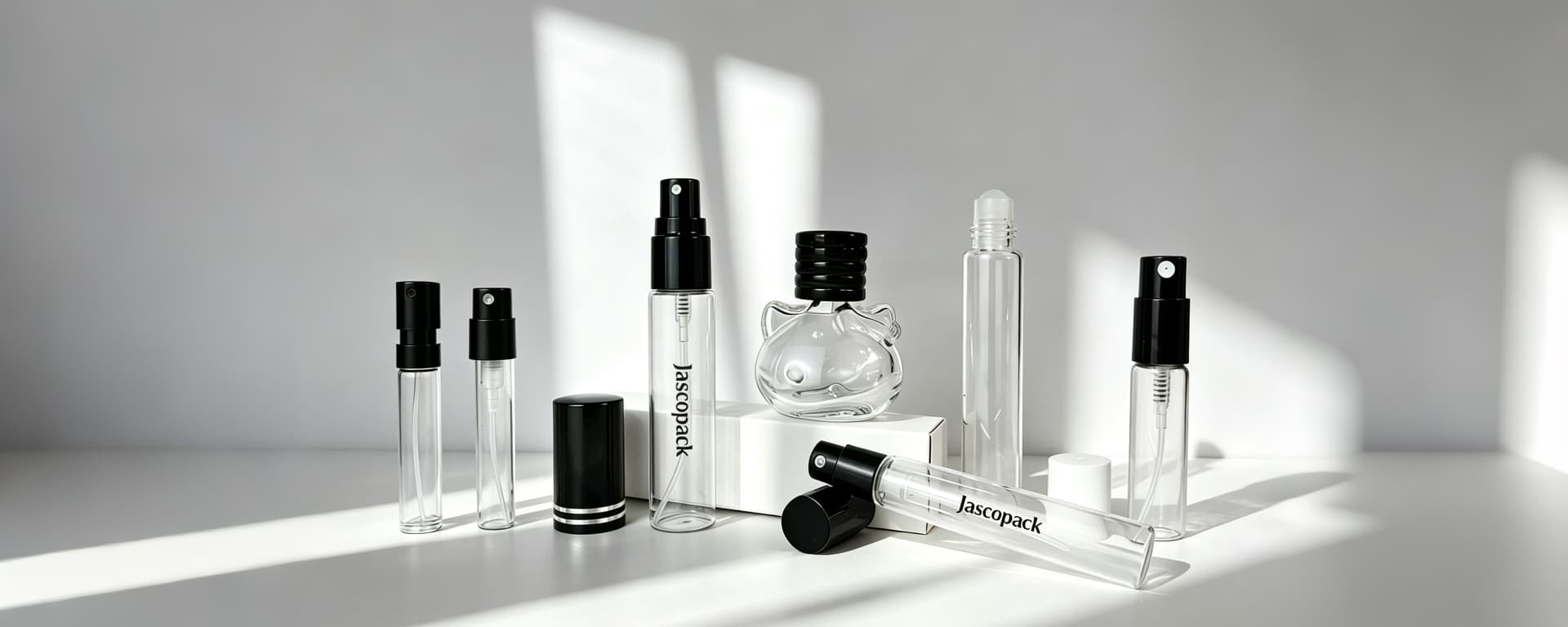
A perfume bottle isn’t just glass. There are also metal and plastic parts, like the nozzle, cap, and sealing ring. These materials sit together in one bottle, and the structure can be hard to take apart. That’s what makes recycling more complicated. Some perfume bottles also have detailed surface decoration, which makes it even harder.
What Should Brands Keep in Mind for Recyclable Perfume Bottles?
First, look at the material of the bottle.
Glass: The glass perfume bottle body can be recycled and melted down multiple times for reuse. Moreover, glass has a relatively mature recycling system in many markets. However, its other components can affect recycling.
Plastics: Some plastics can be recycled, but the rates really depend on the type. PET and HDPE, for instance, have fairly mature recycling systems. If you’re choosing a plastic material, start by confirming what type it is and whether it meets recycling requirements in your target market.
Let’s look at the component structure.
The way the different components of a perfume bottle are connected also affects subsequent recycling. For example, some designs facilitate disassembly, while others use press-fit to secure the spray pump, making component separation more difficult. When developing packaging, easily disassembled perfume bottle packaging is beneficial for recycling, but the structural design also needs to consider sealing performance and the actual user experience.
Finally, let’s look at the surface finish.
Brands often use finishes like spray coating, electroplating, and rhinestone setting to give perfume bottles a unique brand identity. But different surface treatments can also affect how the material gets recycled later. Complex decorative combinations, or decorative parts that are hard to separate, can make packaging recycling more complicated.
Consider Recycling from the Packaging Design Stage
Many brands consider whether materials have genuine recycling value when choosing sustainable packaging. Glass and PCR recycled materials are common choices, but recycled materials do not necessarily mean that the packaging is easier to recycle. The actual effect also depends on the type of perfume bottle material, structural design, and local recycling conditions.
Besides material selection, some brands may use minimalist packaging to reduce visually complex decorations and pursue a simple and sophisticated brand expression. However, minimalist design itself does not equate to sustainable packaging. True sustainable packaging cannot be judged solely by the materials used; it must also be examined how it is produced, used, and recycled.
Refillable Perfume Bottles Are Also an Option
How Are Refillable Perfume Bottles Different from Recyclable Ones?
Refillable perfume bottles are meant to be reused—when the perfume runs out, you just fill them again. Recyclable bottles work differently: they’re designed to be recycled once the perfume is gone.
Refillable bottles are built around long-term use, but not every bottle is suited to refilling. The bottle needs to be durable enough, and you need to think about the filling method and structural design from the start.
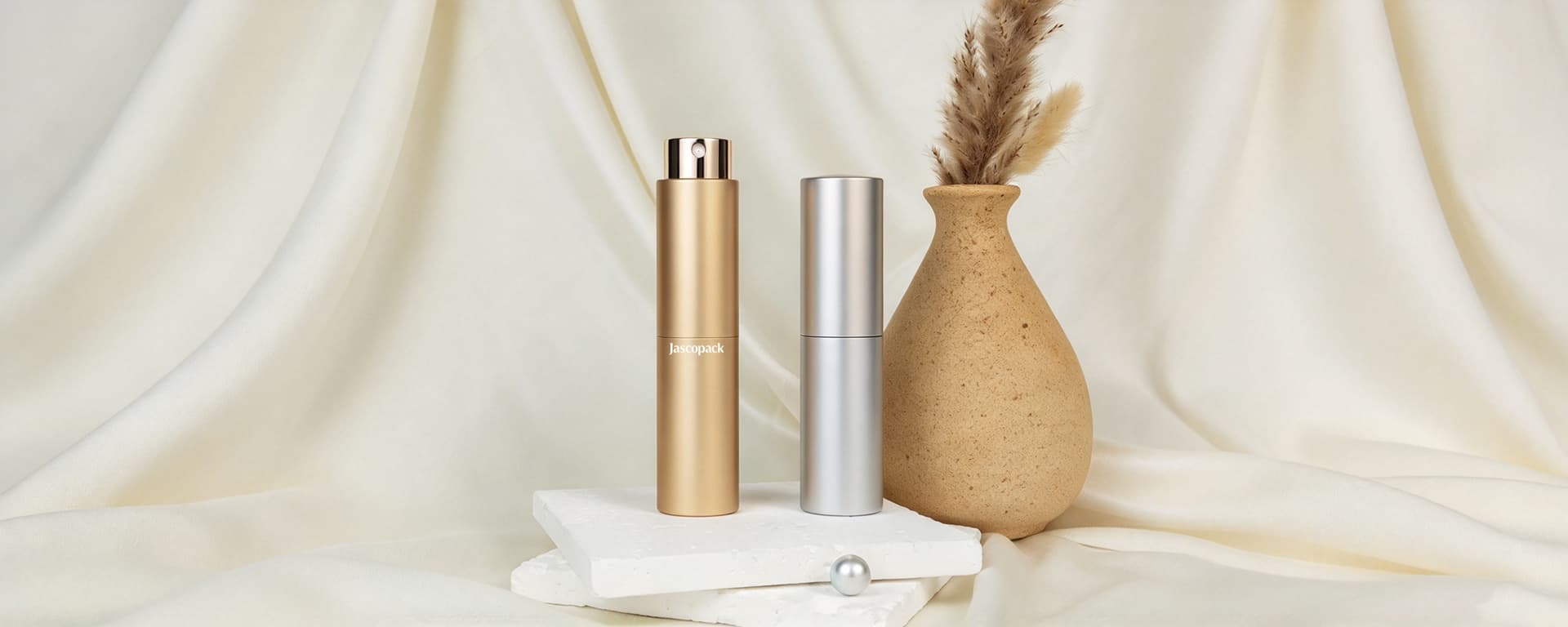
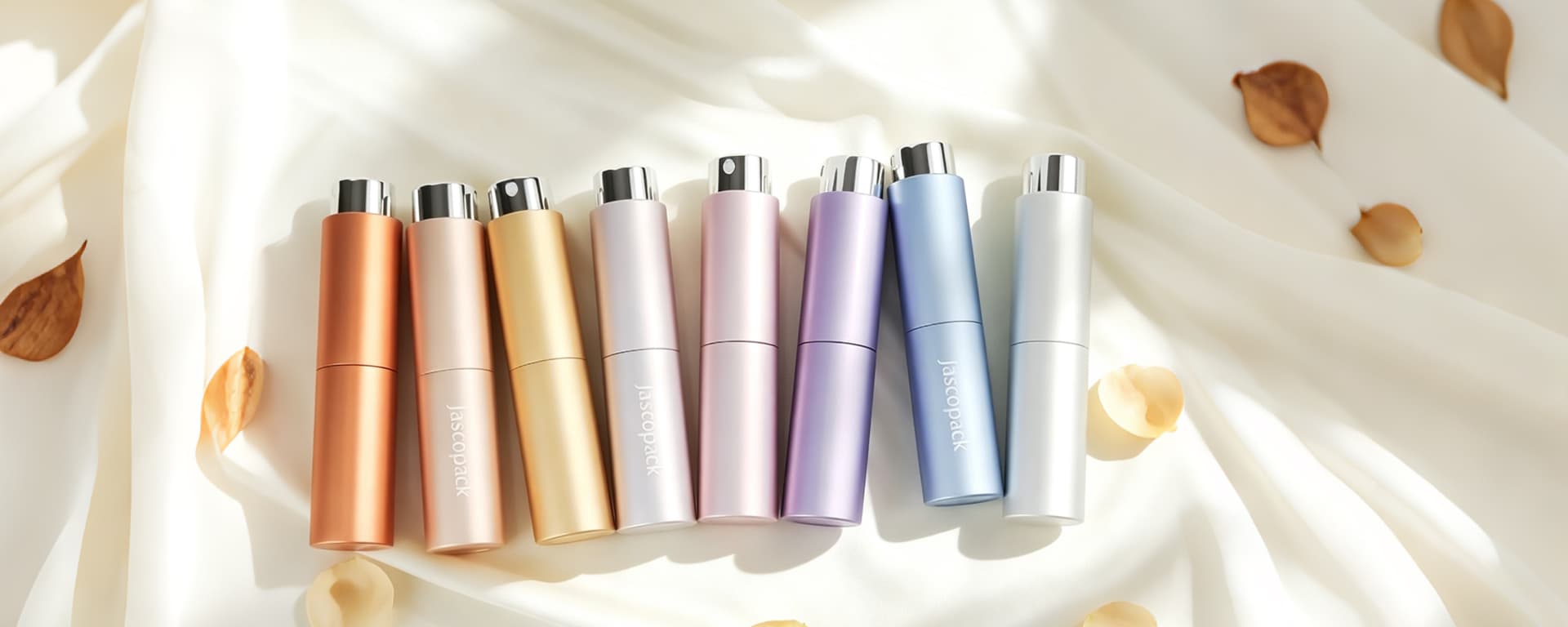
If you’re building a long-term fragrance line, refillable bottles are worth considering. Take our perfume spray bottles: they use replaceable inner bottles in different materials. Consumers keep the durable outer shell and just refill or swap out the inner bottle.
What Should You Do Before Recycling a Perfume Bottle?
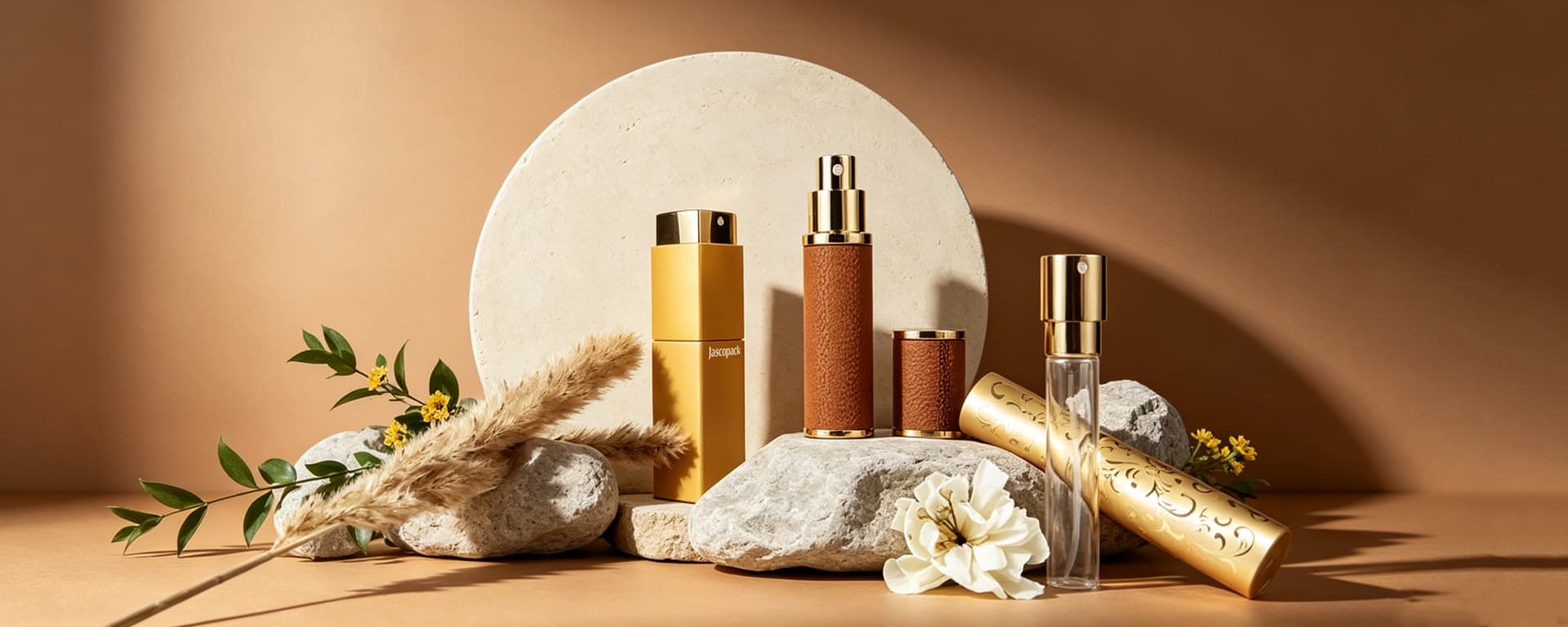
Whether a perfume bottle can be recycled depends on local rules and policies. You can give end users simple disposal suggestions on the packaging or in the product instructions.
First, make sure no perfume is left inside. Remove the cap, nozzle, and any other metal or plastic parts. Clean the bottle so no scent remains. Then check your local recycling rules and dispose of it properly.
For brands, clear recycling instructions on the packaging can make it easier for consumers to dispose of used perfume bottles the right way.
Conclusion
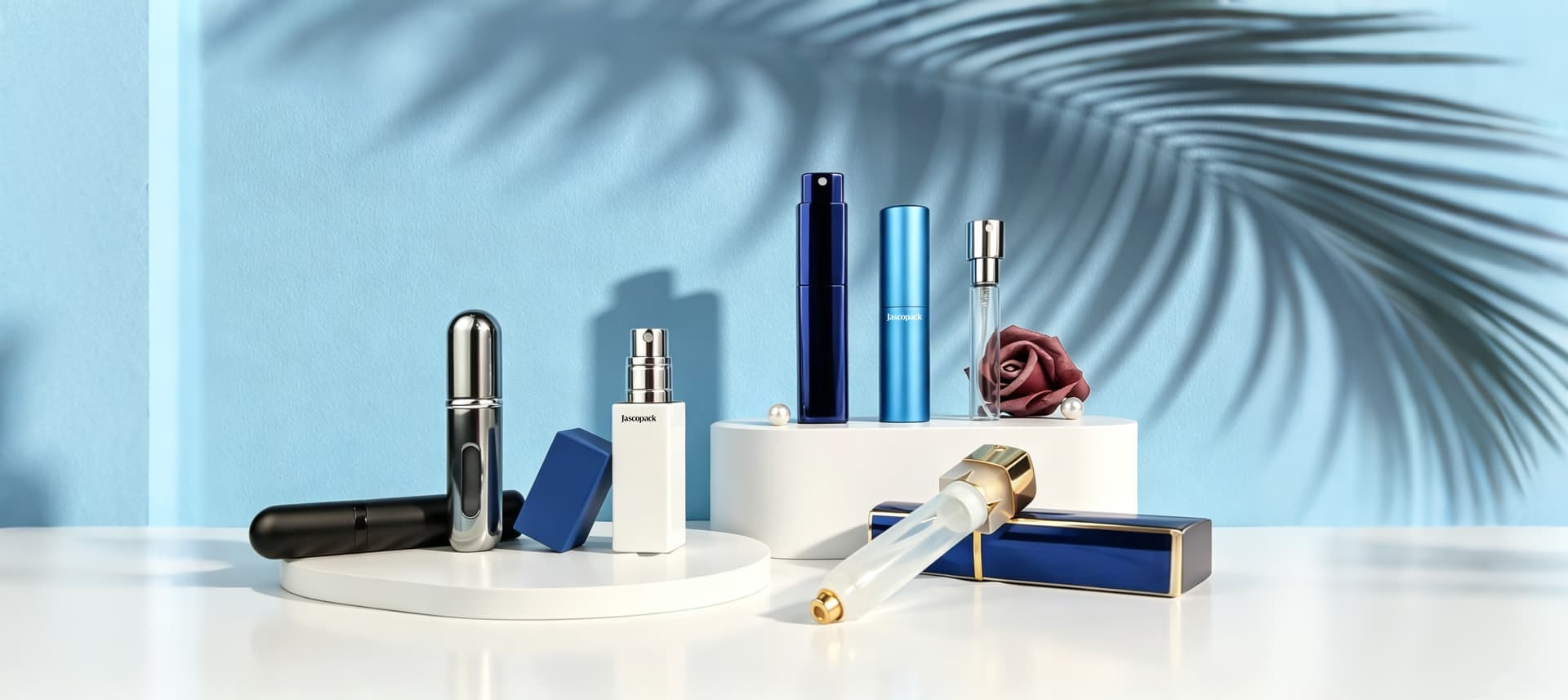
Perfume bottle recycling is related to materials, components, and surface finishes. Jascopack can provide perfume spray bottle and refillable perfume bottle solutions for your brand, helping you develop packaging solutions that better meet your brand requirements.
FAQ
Can every glass perfume bottle go straight into the recycling bin?
Not always. Some places let you put empty glass bottles straight into recycling. In other places, you have to remove the metal and plastic parts first, like the spray pump and cap. If you’re not sure, check your local rules first.
Does the color of a perfume bottle affect whether it can be recycled?
It can. Recycled glass is usually sorted by color, and clear, green, and amber glass are processed differently. Unusual colors, or glass with multiple coatings, can be harder to recycle. It really depends on the local recycling system.