
For perfume brands, international transportation is more complicated than product development. This article will introduce the choice of perfume transportation mode, transportation requirements and packaging solutions to help brands export safely.
Why Is Perfume Transportation More Complicated Than Ordinary Cosmetics?
Why Is Perfume Classified as Dangerous Goods?
Most perfumes and colognes contain a certain proportion of alcohol, which is a flammable liquid. According to the regulations of the U.S. Department of Transportation and the International Air Transport Association, perfume is clearly classified as UN 1266 (Perfume Products), and belongs to Class 3 Dangerous Goods (Flammable Liquids), subject to more stringent management of packaging, labeling, and transportation requirements.
How Do Transportation Issues Affect Brand Experience?
Common transportation problems of perfume bottles include: breakage during transportation, loose nozzle, extrusion deformation of outer package and wear of perfume bottle logo.
When customers receive damaged or leaking perfume, it will greatly affect their perception of the brand image. These problems will increase the cost of return and exchange of perfume, and even lead to negative evaluation of the brand.
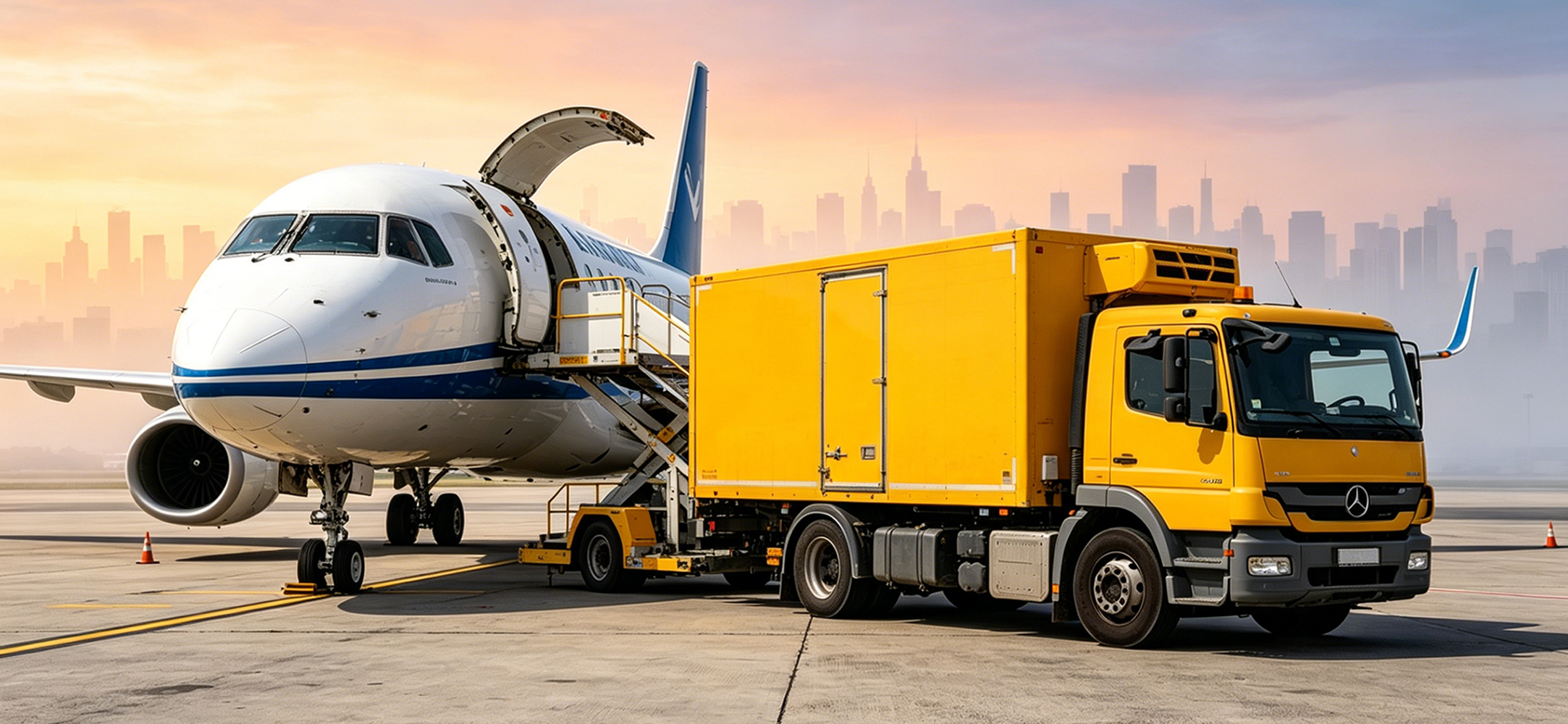
Comparison of Perfume Transportation Modes
Air Transport
Air transportation has a fast delivery time, but the cost is also high, and it has the strictest requirements for dangerous goods declaration, packaging standards, and transportation. Suitable for new product launches and emergency restocking, helping you reduce the risk of inventory shortages.
Sea Shipping
Sea freight takes much longer than air transport; shipping by sea is more suitable for large quantities of perfume orders and long-term inventory replenishment. The overall cost is controllable. The packaging requirements for perfume bottles will also be improved due to the constantly changing transportation environment and the long-term stacking of goods.
Land Transportation
Land transportation is generally used for domestic distribution, warehouse allocation, or transshipment, and is relatively flexible. The transportation time depends on the destination distance and route planning.
What Requirements Does International Transportation of Perfume Need to Meet?
Classification and Declaration Requirements for Dangerous Goods
If you carry out international transportation, you need to ensure that perfume products are correctly classified. This classification will affect the subsequent transportation process, including the selection of transportation methods, packaging standards for dangerous goods, and declaration.
When you choose to export perfume by air or sea, you need to submit a complete dangerous goods declaration document. When declaring, ensure that the UN number, hazard category, perfume flash point, alcohol content, and other information are accurate.
At the same time, you also need to pay attention to the ” Packing Group (PG)” of perfume products. Most perfumes belong to PG II medium danger or PG III minor danger, which will affect the type of packaging you use.
Required Documents for International Perfume Shipping
International transportation of perfume usually requires the following materials:
MSDS chemical safety instructions: Includes perfume ingredients, hazardous classification, flash point, and other information.
Commercial Invoice: The invoice needs to accurately describe the product name, quantity, value, country of origin, and HS code.
Packing List: Details the quantity, specifications, weight, and dimensions of the products inside the packaging box.
Dangerous Goods Declaration: Specifies the dangerous goods classification, UN number, packaging method, and transportation information of perfume.
Due to the different markets in which each brand is sold, some countries and regions may require additional documents such as proof of origin, import license, or certification documents that comply with local regulations. If you are shipping to a new country or region, please confirm whether your perfume products can be legally imported.
Dangerous Goods Transportation Requirements for UPS, FedEx, and DHL Carriers
UPS (United Parcel Service), FedEx (Federal Express), and DHL (DHL) are the most common international logistics carriers in the world.
FedEx and UPS accept the transportation of dangerous goods. If you transport perfume through FedEx or UPS, you need to ensure that the transport channel you use has the qualification to transport dangerous goods. After approval, you should complete the declaration of dangerous goods as required when shipping, and use the correct dangerous goods identification and transport identification on the outer package.
For international transportation, DHL requires the shipper to declare in accordance with the regulations for the transportation of dangerous goods. In addition to the regular transportation documents, the shipper also needs to provide MSDS, safety information, and hazardous material packaging that meets the standards. Only goods that meet the requirements for dangerous goods transportation can be transported through DHL carriers.
How to Reduce the Transport Risk of Perfume Through Packaging Design?
Meeting the classification and transportation documents of perfume dangerous goods is only the basis of international transportation. No matter what mode of transportation you choose, perfume goods need to go through loading, unloading, stacking, temperature change, and other transportation links. With a reasonable packaging design, you can effectively reduce the risk of transport damage and reduce after-sales costs.
Internal and External Packaging Protection
Inner Packaging
Loose nozzles and unstable sealing performance are common issues during transportation. So make sure that the perfume bottle, nozzle and cap are completely sealed.
For large orders, it is better to put perfume bottles in separate OPP bags to prevent friction and collision. At the same time, appropriate solutions can be selected according to the package size and structure, such as wrapping perfume bottles with bubble film or supporting perfume bottles with foam pads.
Outer Packaging
Choose corrugated cardboard boxes with sufficient load-bearing capacity and compressive performance. Buffer materials can be placed in the packaging box to fill the remaining gaps around the perfume bottle, and packaging tape can be used to reinforce all edges, gaps and corners of the packaging box.
Clearly mark all required labels on the outer carton, such as “Fragile“, “This Side Up“, and “Dangerous Goods Label“.
Transport Testing Verification
Other special problems will occur during transportation. Therefore, it is recommended that you carry out transportation test verification before the mass production and marketing of perfume bottles.
Common transportation tests include drop, vibration, and stacking tests. These tests simulate the impact and pressure in actual transportation environments, helping you identify problems encountered in the packaging process in advance and then optimize the packaging.
How to Select a Perfume Packaging Supplier Suitable for Transportation Needs?
A suitable perfume packaging supplier can help you deliver your products safely to customers. When choosing, you can focus on these aspects:
OEM/ODM Development Capability
When your perfume bottles need to be exported to different countries or adopt multiple modes of transportation, suppliers need to be able to provide complete packaging solutions for air, sea and land transportation.
Packaging Quality Control
Ensure whether the supplier has a perfect quality management system, such as IQC, IPQC, OQC, and ensure that each batch of perfume packaging meets the safety transportation standards.
International Transportation Experience
It is necessary to know whether the supplier is familiar with the dangerous goods transportation regulations and international transportation operation procedures of perfume. Suppliers with international transportation experience can help you understand the transportation requirements and avoid potential transportation risks during the development of perfume bottles.
Conclusion
When small brands transport perfume, they are prone to leakage, damage and other risks. By choosing Jascopack, you can obtain professional perfume packaging solutions that meet the international transport standards for dangerous goods.
FAQ
What happens if my perfume shipping declaration is filled out incorrectly?
If your perfume transportation declaration information is incorrect, such as UN number, danger category, alcohol content, or other documents are inaccurate, the goods may be directly intercepted during transportation or customs clearance. This will lead to logistics delivery delays and returns, greatly affecting the customer experience.
Therefore, before shipping, you must ensure that the dangerous goods classification, MSDS, declaration documents, and labeling information of the perfume are fully consistent and comply with carrier requirements.
Can solid perfume or scented candles be transported by ordinary express?
Most solid perfume or scented candles do not contain flammable liquids, and can be transported by ordinary express delivery. There is no need to attach dangerous goods labels or declare dangerous goods.
However, it should be noted that if the product contains a certain proportion of alcohol or other flammable ingredients, it may still be classified as dangerous goods and must be packaged and declared according to the requirements of the logistics company.
To ensure the safety of transportation, you need to use appropriate cushioning materials to protect the product from compression or collision, while confirming the logistics and customs requirements of the destination.
Which type of packaging can prevent glass perfume bottles from breaking during transportation?
Glass perfume bottles are easily damaged during transportation without proper packaging and protection measures.
It is recommended that perfume bottles be packed with independent OPP bags and filled with multi-layer cushioning materials, and protected with high-strength corrugated paper boxes. This packaging combination can effectively prevent shaking, collision, and compression during air, sea, or land transportation.