
Starting a perfume brand may seem simple, but every stage of the process, from market research to perfume development, packaging design, and product sales, can affect the brand’s future growth.
This article explains the main steps of starting a perfume brand and helps you better plan perfume development and brand building strategies.
Build Your Perfume Brand Positioning
Perfume Industry Trend Analysis
Market research is the first step to establishing a perfume brand. Only by understanding the perfume market trends, competition, and consumer preferences can the subsequent development of perfume be given a preliminary direction.
In recent years, consumers have become increasingly inclined towards brands with stories and differentiation, and brands have begun to shift clearly towards natural fragrances, sustainable, environmentally friendly packaging, and personalized, customized packaging development.
During your research, whether it is an international perfume brand or a niche perfume market brand, you need to observe not only what types of perfume the competitive brands sell, but also how they conduct brand pricing, packaging design, and marketing communication.
Startup Budget Planning
Before launching a perfume brand, the initial perfume startup budget is typically divided into these core parts: product development and packaging, customized brand labels, and initial production and inventory input costs.
Clarifying the overall investment cost in advance can effectively control your brand costs and reduce the impact on product launch plans.
Defining Target Audience and Product Positioning
Different perfume target audiences have different demands for perfume. For example, young consumers pay more attention to the personality expression of perfume; mid-range consumers pay more attention to fragrance experience and value for money; high-end users are more concerned about brand tone and packaging quality.
So before you start developing your perfume, get clear on who you’re trying to reach. Segment your customers by age, gender, spending habits, and lifestyle—then let that define your fragrance direction, brand positioning, and packaging style. That’s how you build a brand that actually fits what the market wants.
Create an Exclusive Brand Image
After completing the previous market research and brand positioning, you should have a rough plan for your brand. The next step is to bring your brand concept into practice.
Brand Logo Design
A logo is one of the most important visual elements of a brand. Although it is just a figure or a group of words, it will appear on perfume bottles, packaging boxes and other materials for a long time. So when designing, the logo doesn’t have to be very complex, it should be combined with your brand positioning and future development direction.
For example, high-end perfume brands often use simple fonts and understated color schemes to convey a sense of refinement and professionalism; Brands targeting younger consumers prefer to use bold color schemes to make them memorable at first glance.
Developing a Signature Perfume
Fragrance Development Planning
During perfume development, many brands will first match the “brand image” and “fragrance direction” as part of the fragrance development steps, rather than simply selecting fragrance based solely on personal preference. It is also essential to use high-quality and safe fragrance ingredients.
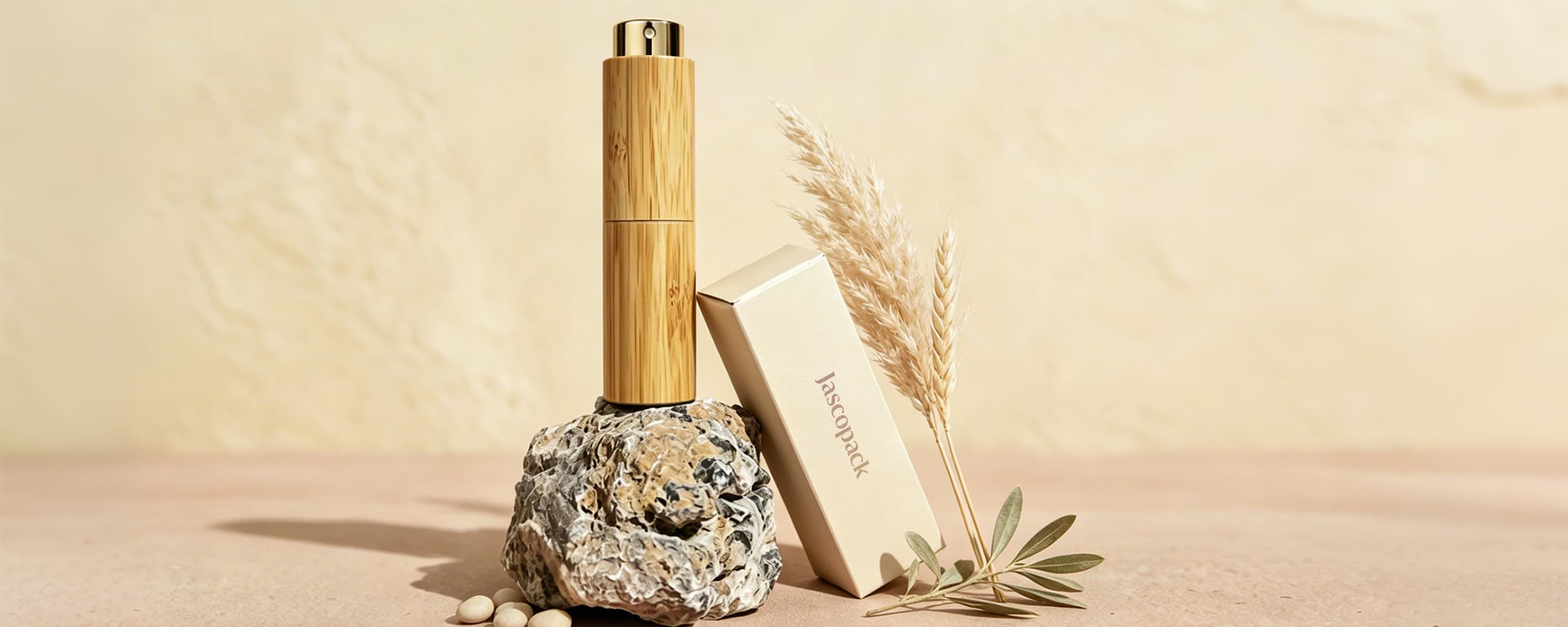
Reference for Matching Fragrance and Brand Style
| Style | Recommended Fragrance Families | Scent Characteristics | Suitable Brand Types |
| Fresh, energetic feel | Fruity, Citrus Notes | Fresh, bright, light | Youth-oriented brands, lifestyle brands |
| More textured, mature feel | Woody, Oriental Notes | Deep, warm, layered | Mid-to-high-end fragrance brands, designer brands |
| Classic, feminine direction | Floral Notes | Soft, romantic, easy to accept | Daily-use perfumes, mainstream commercial brands |
Product Line Development
Many new perfume brands tend to focus on “making a pleasant perfume first” and ignore the development of subsequent series of products. Before launching the first product of your brand, you should consider how to extend it.
You can build product extensions around seasons, such as Spring/Summer and Autumn/Winter collections.
You can also develop fragrances for specific occasions, such as commuting or dating.
Your brand can also gradually expand into a complete perfume product line around emotions or certain ingredients while maintaining a consistent custom perfume formulation strategy.
In this way, the product line will be richer, the overall brand will be more unified, and it will be easier to leave an impression in the market.
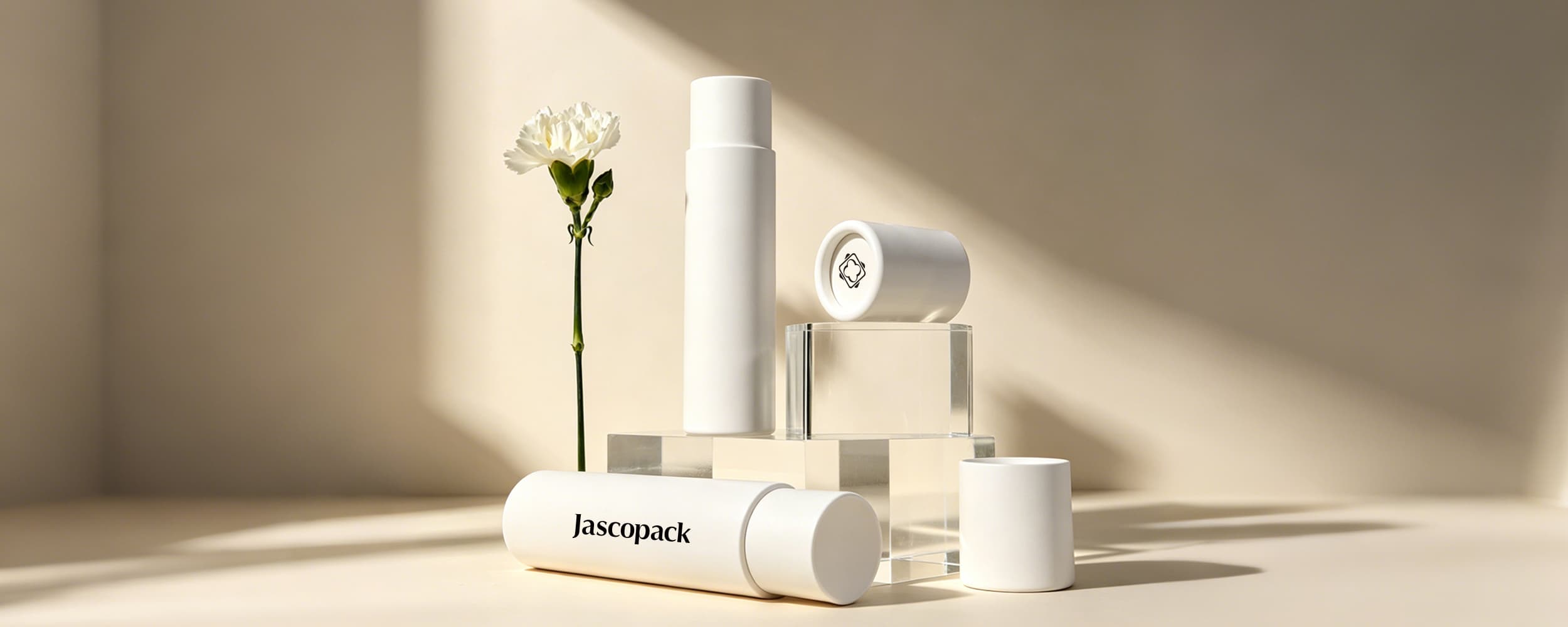
Custom Packaging Design
Perfume packaging is the first step for your brand to be seen. You should first know the overall visual style, the logo placement and size, and what the main color is. Once this information is confirmed, the subsequent packaging design will be better carried out.
In terms of bottle type selection, different designs will convey different brand impressions. Round bottles lean classic and mature. Square ones feel more modern and minimal. Vintage or irregular shapes? Those are for brands that want to stand out as individual and different.
In addition to bottle shape, materials and finishing techniques will also affect the texture of perfume packaging. Details such as frosted glass and aluminum, hot stamping, or gradient spraying will give your product a completely different visual hierarchy on the shelf.
At the same time, packaging design should not only consider appearance, but also consider real-world user experience and functionality. Whether the spray nozzle delivers a consistent mist, whether the bottle can be picked up smoothly, and whether there will be any problems during long-distance transportation will affect users’ evaluation of your brand.
Regulatory Compliance Requirements
Business Registration & Licensing
Before starting to sell perfume, you should first complete the enterprise registration and apply for the corresponding business license and license according to your local laws and regulations. Different countries and regions have different requirements for business operations. You can choose the appropriate business type structure according to the brand’s development plan and business scale.
Intellectual Property Protection
Once you’ve settled on your brand name and logo, don’t wait—run a trademark search and get it registered as soon as you can. That’s the only way to make sure your brand assets are legally protected.
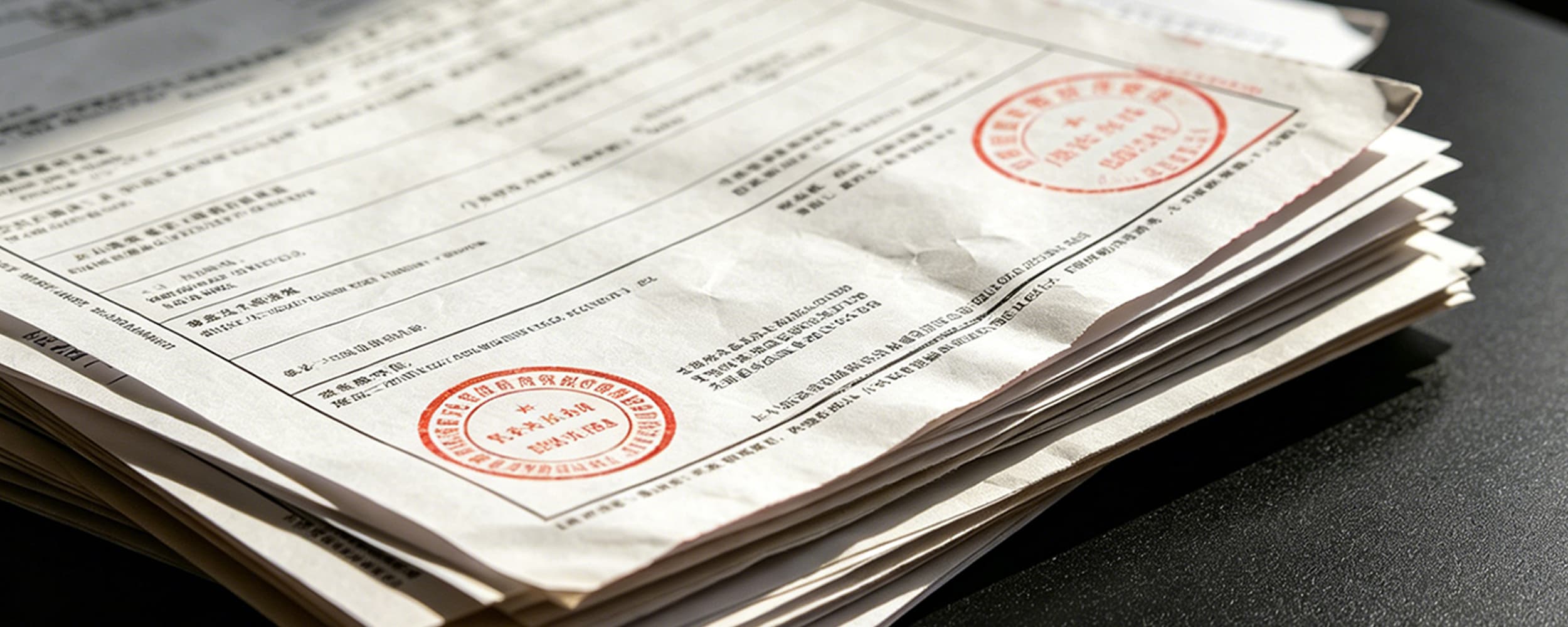
Understand Compliance Requirements
Perfume is classified as a cosmetic product in most markets. Different markets have corresponding requirements for product labels, ingredient disclosure, and usage instructions.
It is better to confirm the fragrance labeling requirements before entering your target market, understand relevant perfume regulations in the US and EU, ensure your product packaging meets cosmetic packaging compliance standards, meet the import and sales requirements, and prepare for product launch.
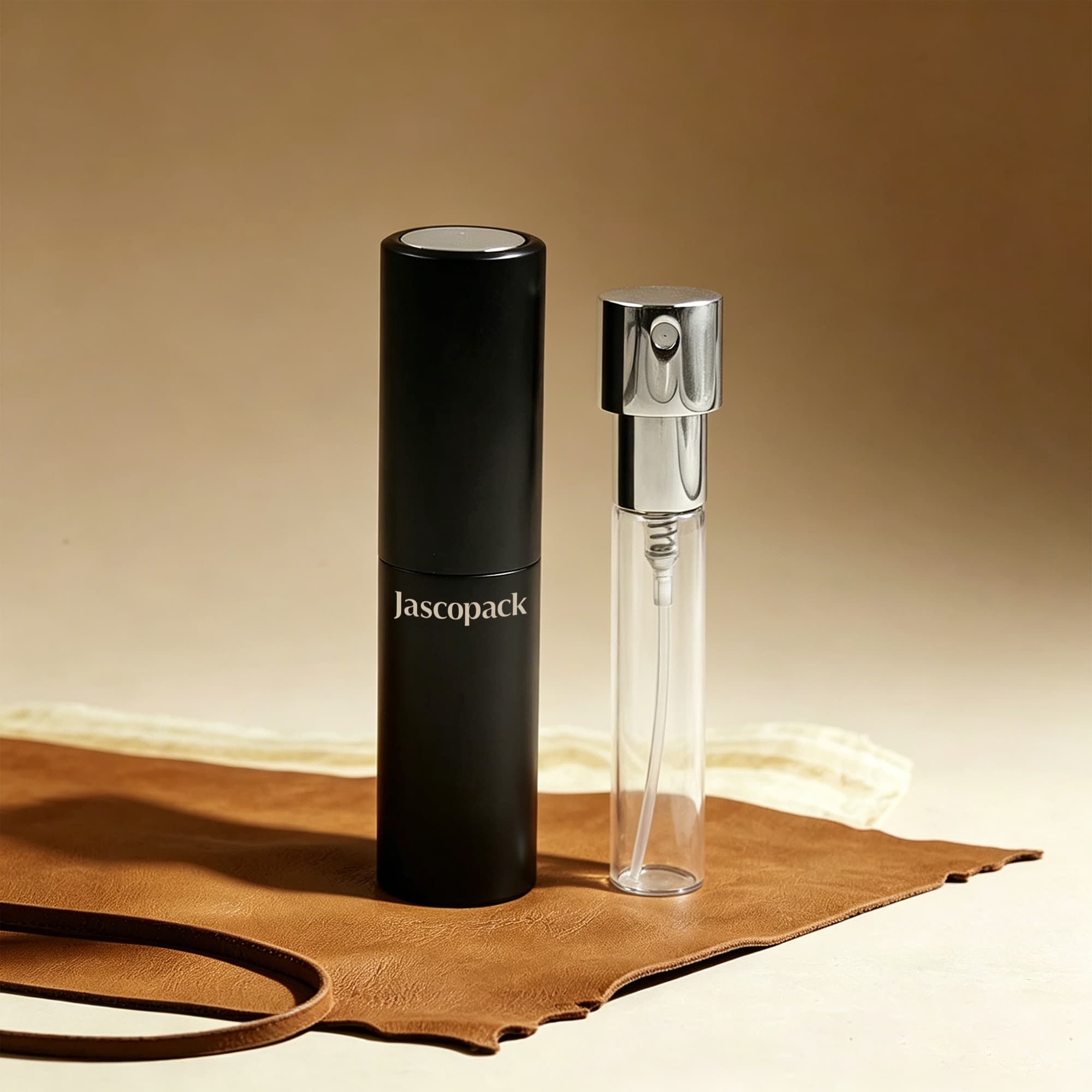
Finding Business Partners
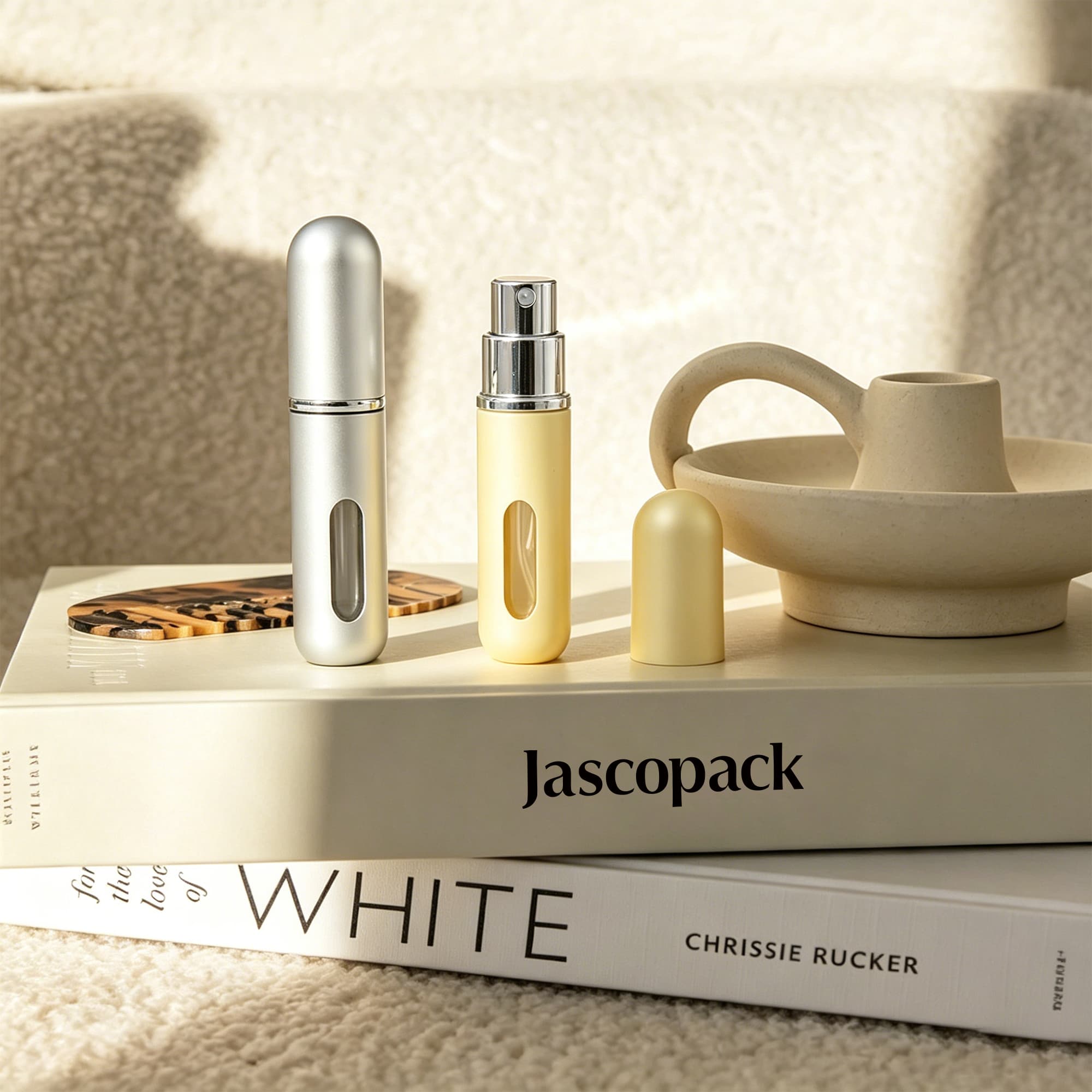
If you do not have your own manufacturing facility, you should find professional perfume and packaging manufacturers to cooperate.
When you’re sizing up suppliers, look closely at four things: how much they can customize, how long they’ve been in the game, their quality control standards, and their minimum order quantities. Go with an experienced one and they’ll get your product developed faster, flag production issues before they become problems, and keep quality steady as you scale.
Perfume Marketing and Sales
Once the perfume development and design process is complete, the next question to consider is how to let more consumers know and buy your perfume products.
Develop Marketing Strategies
Brand Storytelling
You need to first understand what sets your brand apart from other brands. For example, creating a unique brand story through fragrance concepts, packaging styles, or conveyed lifestyles. When users can quickly understand these contents, they will be easier to remember you and try your perfume products.
Social Media Marketing
Use Instagram, Facebook and other platforms to show your perfume, share your story through photos, videos, and behind-the-scenes content—let people see what your brand is really about.
And don’t forget influencers. Invite beauty content creators to review your scent, film unboxings, or share their fragrance picks. When real people show real reactions, it gives potential customers a much better sense of what your brand actually smells and feels like.
Sampling & Trial Marketing
For a new perfume brand, nothing beats letting someone actually smell the product—way more convincing than just telling them to buy it. That’s why so many brands use scent strips and sample vials to let customers experience it first. If they like this fragrance, the likelihood of subsequent purchases will also increase.
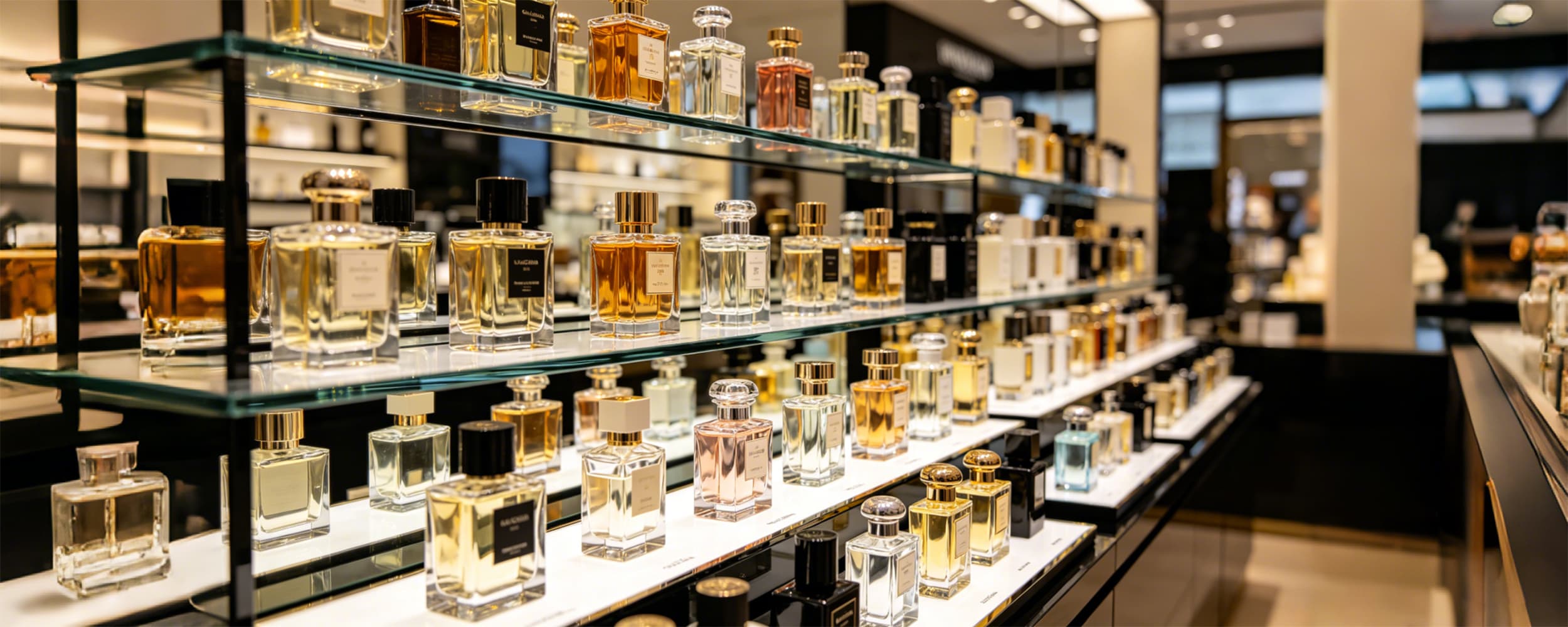
Select Sales Channels
Brand official website: You can directly sell products, establish brand image, and build an online perfume business.
E-commerce platforms: Launch a perfume e-commerce store to gain more traffic and market exposure through platforms such as Amazon.
Boutique stores/Department stores: Provide product experience and enhance user trust.
Industry exhibitions/Offline events: These channels can help promote your brand, attract customers, and build partnerships.
Continuous Brand Optimization
After the product is officially launched, the brand truly begins to operate. From order delivery, inventory management, customer feedback, product pricing, to subsequent new product planning, every link will affect the development of the brand.
As your brand grows, you’ll need to keep a close eye on what customers actually want and how the industry is shifting, then adjust your products and marketing accordingly. And don’t stay indoors. Get out to industry exhibitions, meet potential partners, and open doors for whatever comes next.
Conclusion
Successful perfume brands need not only a unique fragrance but also clear brand positioning, a reliable supply chain, and professional packaging support. If you are looking for customized solutions for perfume bottles, sprayers, and packaging, Jascopack can provide your brand with one-stop support from packaging development to mass production.
FAQ
As a small brand, do I develop a perfume directly or a series of products?
We usually suggest starting with 1 to 3 core fragrances, then expanding your product line based on what sells. This keeps your costs and inventory risk much easier to manage.
What tests should be carried out before launching perfume?
In addition to evaluating the fragrance itself, basic compatibility tests, sealing tests, and transportation tests should be carried out to ensure the long-term stability of perfume.
When starting a perfume business, at what stage should I look for suppliers?
After having a preliminary idea of product direction and brand positioning, you can start looking for suppliers and evaluating their craftsmanship and customization capabilities in advance.