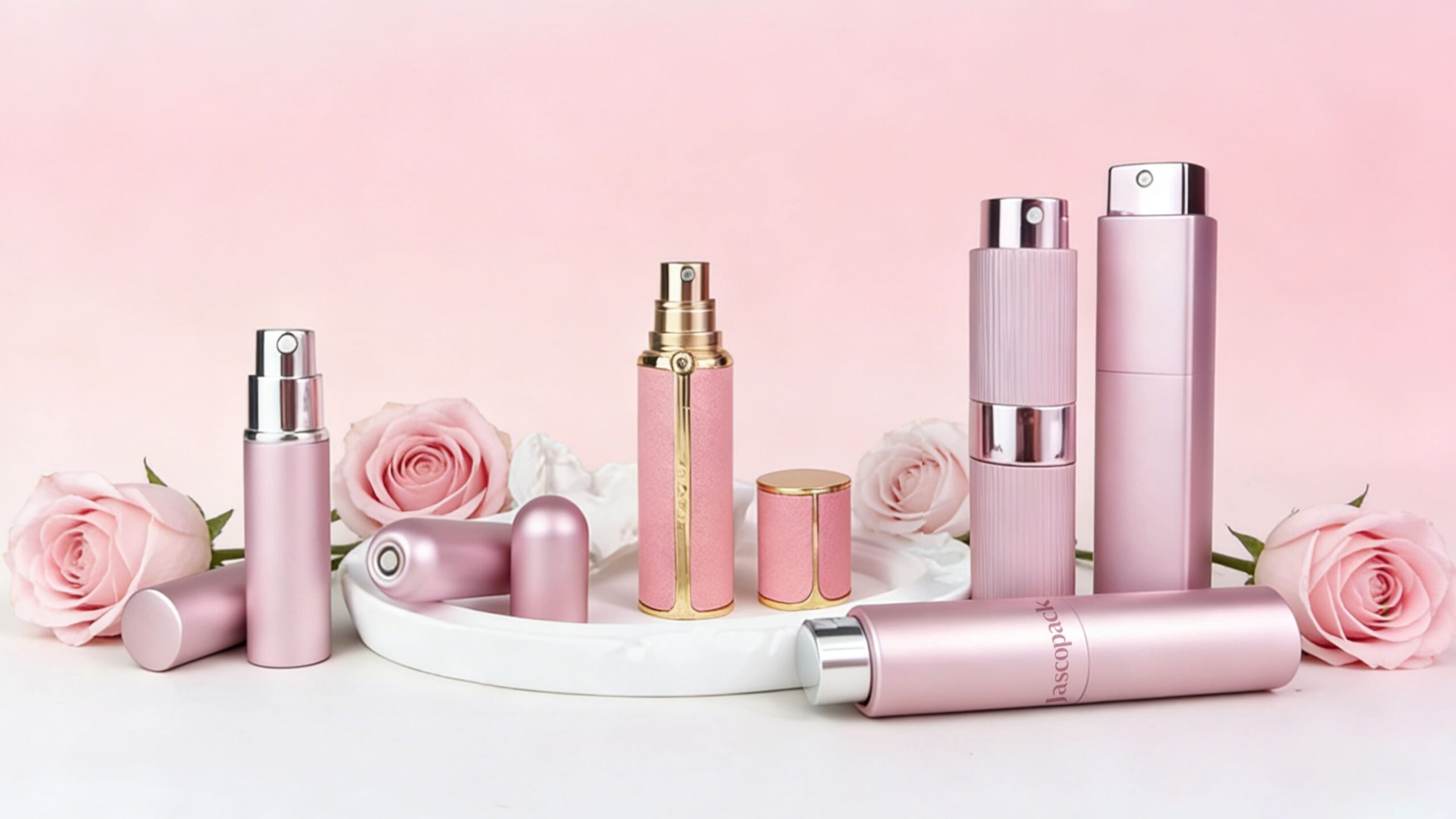

Fragrance notes influence how a perfume expresses its scent and can also directly influence product positioning and packaging design direction.
This article will begin with a classification of fragrances and analyze the relationships among brand positioning, packaging design, and supplier selection.
What Is Fragrance?
Perfume is created by blending different fragrance ingredients to create a layered fragrance structure, together shaping the overall aroma characteristics of perfume and forming a clear olfactory pyramid structure.
What Are Top Note, Heart Note, and Base Note?
Fragrance notes are generally categorized into three layers: top note, heart note, and base note. In the three categories, each layer can include different scent profiles, including woody, amber/oriental, floral, and refreshing.
As time passes, the speed of evaporation of various fragrance ingredients is different, and the perfume will also show a layered fragrance experience during use.

Top Note
The top note is the first fragrance users smell when spraying perfume, which creates the first impression of consumers. The top note is the most volatile and lasts only five to fifteen minutes.
Common top note ingredients include citrus fruit aromas such as lemon, bergamot, and orange, as well as elegant flower aromas such as lavender, jasmine, and rose, which are fresh and uplifting, helping capture consumer attention.
Heart Note
The heart note is also known as the core fragrance, appearing after the top note volatilizes, and constitutes the main body of perfume. The heart note lasts longer than the top note, usually about 2-3 hours.
The common types of heart notes include jasmine, rose, cinnamon, black pepper, cardamom, and other floral and spicy ingredients, which are the core of the personality expression of perfume products.
Base Note
The base note is the slowest part of perfume volatilization, which can leave a lasting impression on users of perfume. Generally, it starts to create aroma together with the heart note after about 30 minutes, which can last for six hours or even longer.
The popular and common base notes are sandalwood, moss, and cedar, as well as musk, vanilla, and amber, which add texture and depth to perfume.
How Does Fragrance Affect the Brand Positioning of Perfume?
Fragrance Type | Scent Characteristics | Brand Positioning | Target Audience |
| Citrus/Fresh Notes | Fresh, light, clean, and natural | Youth-oriented brands, mass-market brands, everyday fragrances | Young consumers, students, entry-level users |
| Floral Notes | Soft, romantic, feminine expression | Women’s brands, lifestyle brands, mid-range mainstream brands | Female consumers, people who value lifestyle quality |
| Woody Notes | Stable, grounded, distinct woody aroma | Mature brands, premium brands, unisex/men’s brands | Mature users, business professionals, texture-oriented consumers |
| Amber/Oriental Notes | Warm, rich, mysterious, and luxurious | High-end brands, niche brands, niche fragrance houses | High-spending consumers, fragrance collectors, personality-driven users |
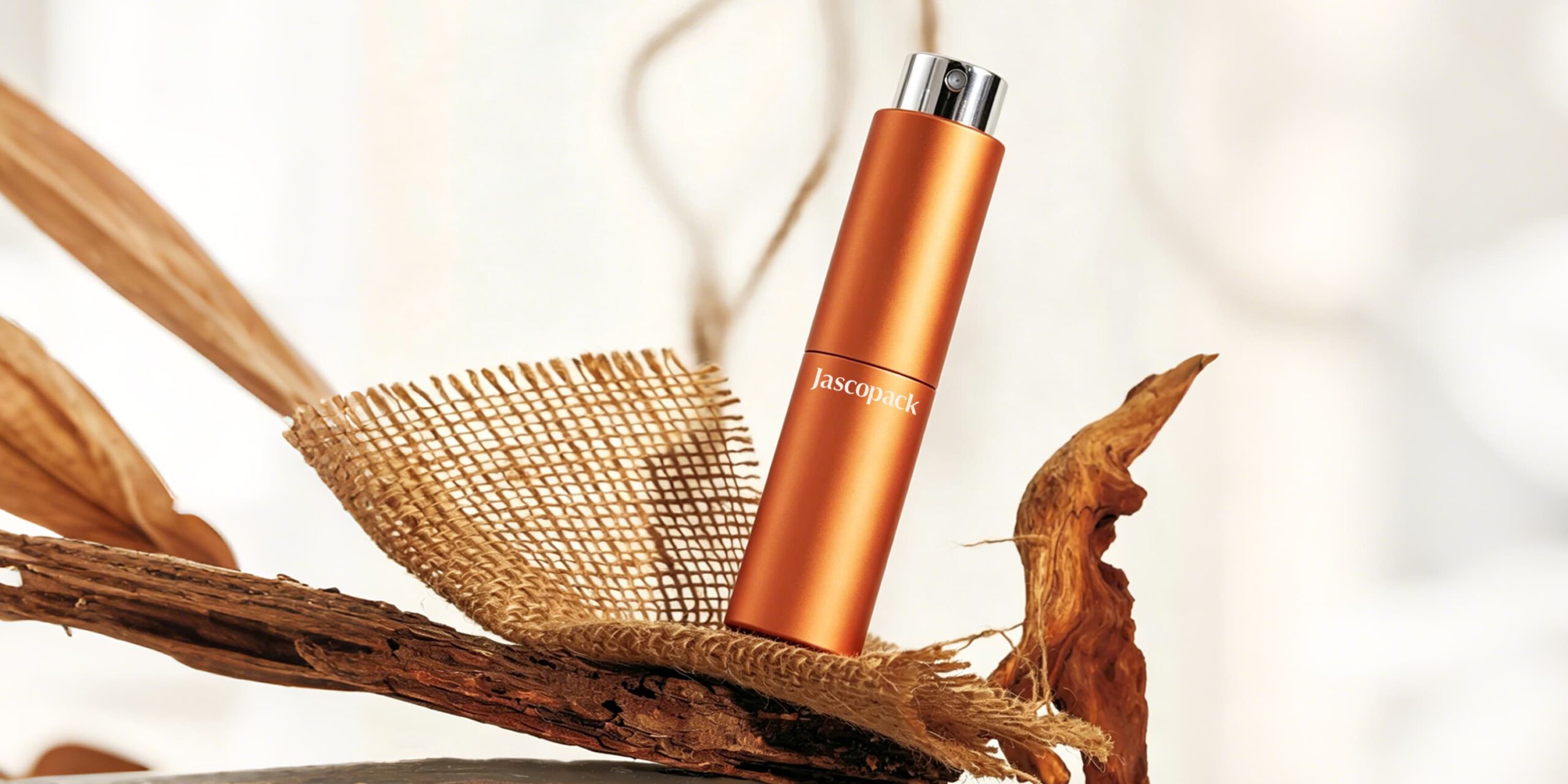
Different scents not only determine the style of perfume smell, but also directly affect how you divide perfume brand positioning.
What Types of Perfume Packaging Are Suitable for Different Fragrance Notes?
Citrus/Fresh Notes: Lightweight, Minimalist Style
The citrus scent itself is light, clean, and fresh, so your perfume packaging is more suitable for a simple, transparent, and lightweight design. For example, a transparent glass bottle and light color bottle body design make the perfume bottle look fresh and clean as a whole.
Floral Notes: Romantic, Gentle, and Elegant
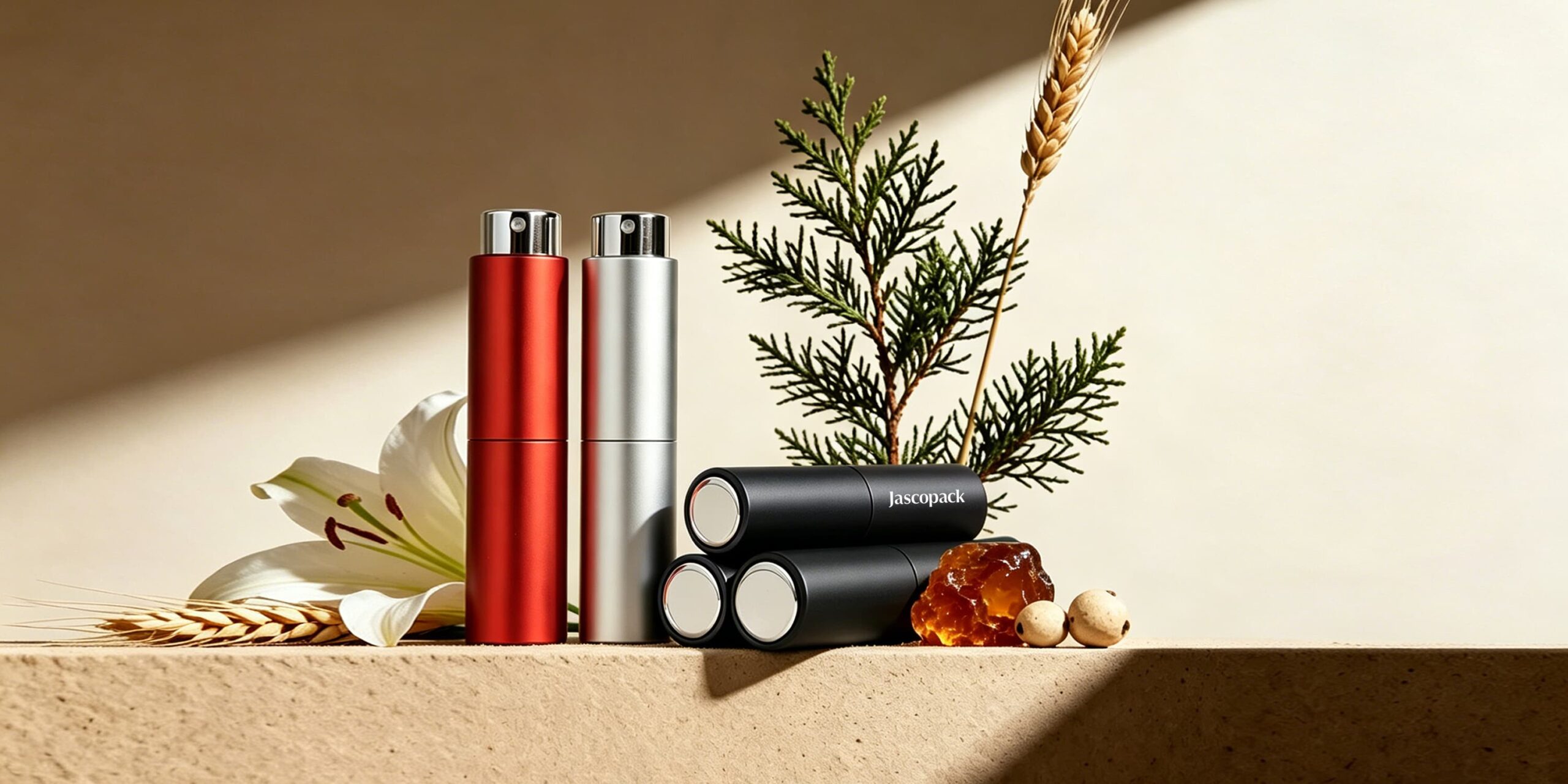
If you are making floral products with a more romantic and feminine design, the packaging design can appear softer, such as using curved bottle bodies, milky white, pink, or purple series, to enhance the emotional expression of your brand through these detailed designs.
Wood Notes: Steady and High-End Texture
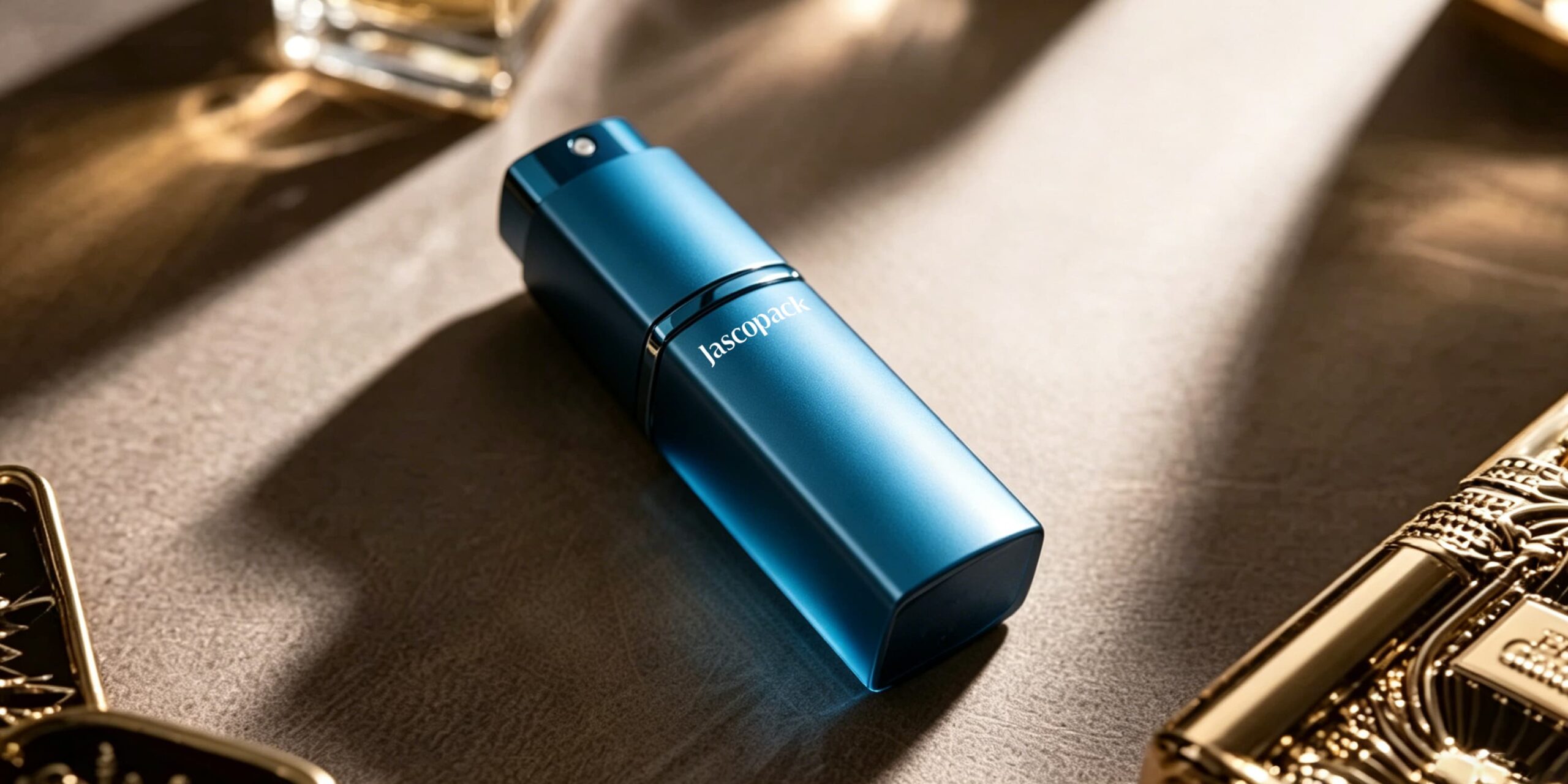
Wood notes represent maturity and texture, so packaging design leans more towards “weight” and product texture. For example, dark glass, frosted, or matte processes highlight the heavy sense of wooden perfume, making your perfume packaging more advanced.
Amber Notes: Luxurious, High-End Visual
If you choose an amber/oriental fragrance, which belongs to a more high-end or boutique perfume series, the packaging design needs a stronger visual effect. You can use metal electroplating technology, decorative details, or high-end gift boxes to help your brand strengthen memory and increase premium.
How to Select the Right Perfume Bottle Supplier Based on Fragrance Notes?
Citrus/Fresh Notes: Fast Supply Capability
If your brand focuses on citrus or fresh scent, these kinds of perfume products are more mass market, focusing on rapid marketing and cost control. Therefore, whether perfume bottle suppliers have fragrance packaging solutions, spot bottle inventory, rapid proofing capability, and stable mass production capability will directly affect the marketing efficiency of your products.
Floral Notes: Customization Ability
If your perfume products are dominated by floral notes, you need more customization capabilities from suppliers, such as bottle design and color customization support. At the same time, the stable quality of perfume bottles is also critical, because the performance of perfume bottles will directly affect your brand’s user experience and evaluation.
Wood Notes: Texture and Craftsmanship
If you are developing woody or neutral perfume products, the requirements for perfume bottle suppliers are reflected in high-end craftsmanship and the ability to express premium texture. For example, frosting or matte process, dark color treatment, etc., can affect the final appearance of perfume bottles.
Amber/Oriental Notes: High-End Packaging Solution
If your brand produces amber or oriental notes, which belong to high-end or boutique series, the packaging solution for suppliers will require stronger fragrance storytelling ability and luxury perfume packaging design. For example, electroplating, complex logo customization, and overall packaging capabilities all have an impact on brand recognition.
Conclusion
If you are developing perfume products with different fragrance notes, you need to consider design expression, stability, and cost control at the same time in packaging selection. Jascopack provides an overall solution for perfume bottles and packaging, supports the development of standard bottle types and customization, and helps brands efficiently bring products to market and mass production.
FAQ
How long can perfume last?
The specific duration of perfume depends on the concentration, composition and skin type of perfume. The top note of perfume generally lasts about 5-15 minutes, the middle note lasts 2-3 hours, and the base note lasts more than 6-12 hours.
Does the packaging affect the retention time of perfume?
It will have a certain impact. The bottle cap and nozzle system with good sealing can reduce the evaporation loss of perfume and help perfume maintain a more stable fragrance performance during storage and use.
When developing perfume products, should I consider the duration of fragrance retention?
Yes. The fragrance retention effect will directly affect consumers’judgment of perfume’s “sense of value”, and will also affect the repurchase experience and brand reputation, especially in premium fragrance categories.