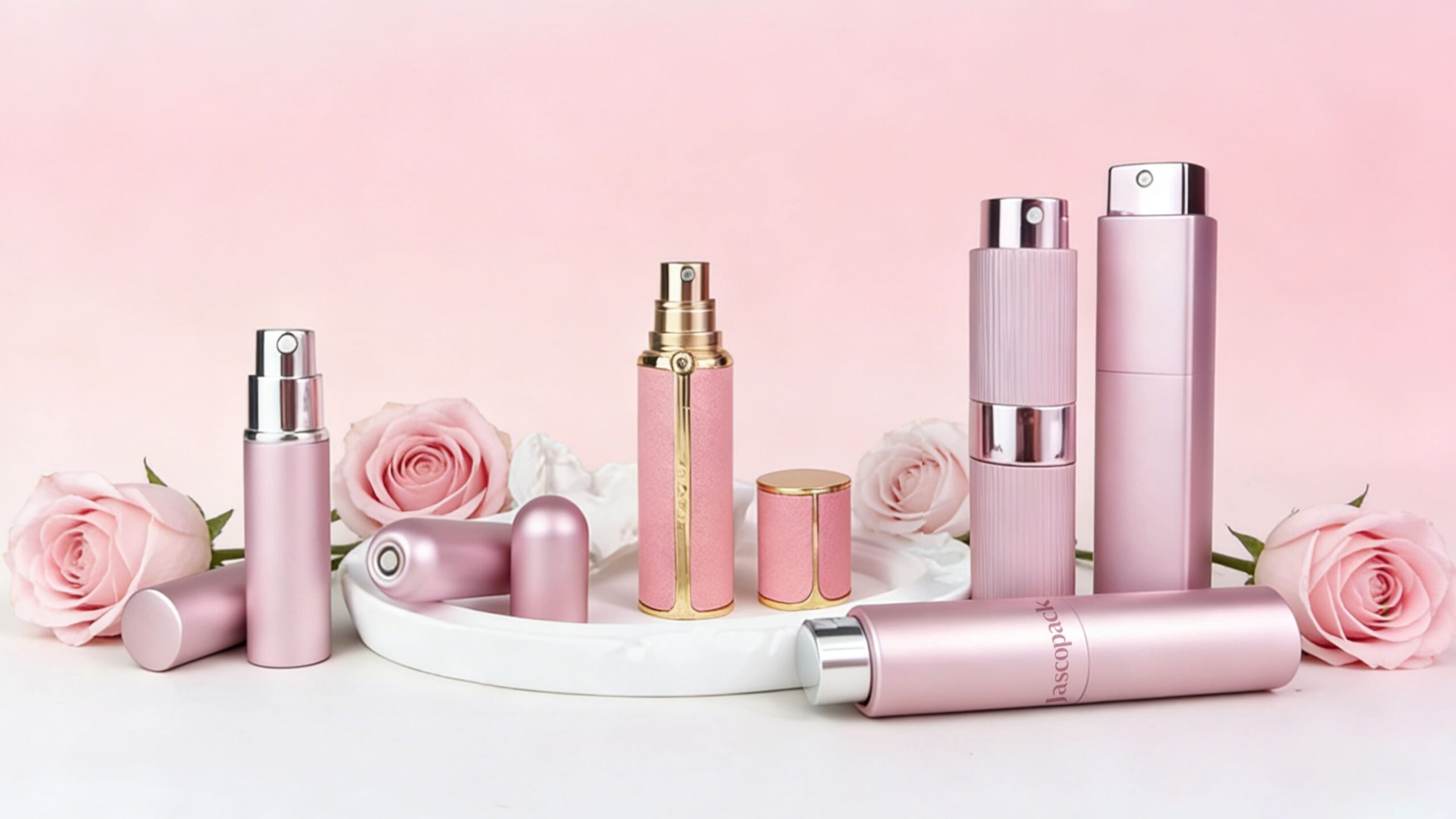

A perfume bottle is more than an element of visual design. Its shape also affects capacity, packaging, tooling, and mass production. This guide covers common perfume bottle shapes and the main points to consider during development.
What Does a Perfume Bottle Shape Say About Your Brand?
The perfume bottle is usually the first physical part of a fragrance that customers see. Before they smell the perfume, they have already formed an initial impression from the packaging.
Rounded bottles generally have a softer look. Move toward straight edges and stronger geometric lines, and the overall packaging starts to feel more defined. You will notice the difference particularly when comparing bottles on a shelf or in product images.
Common Perfume Bottle Shapes
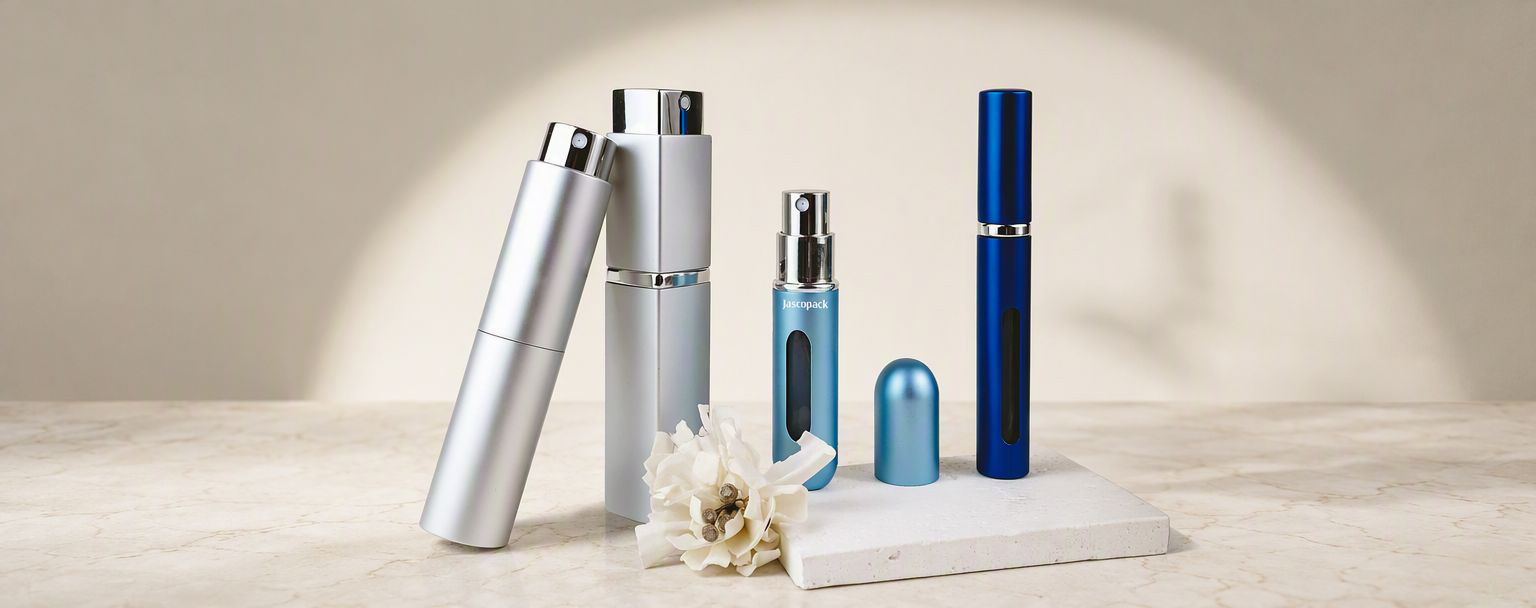
Perfume bottles come in all kinds of shapes. Some follow familiar designs, while others are made around a particular brand idea. Below are some of the bottle shapes you will commonly come across in fragrance packaging.
Cylindrical Perfume Bottles
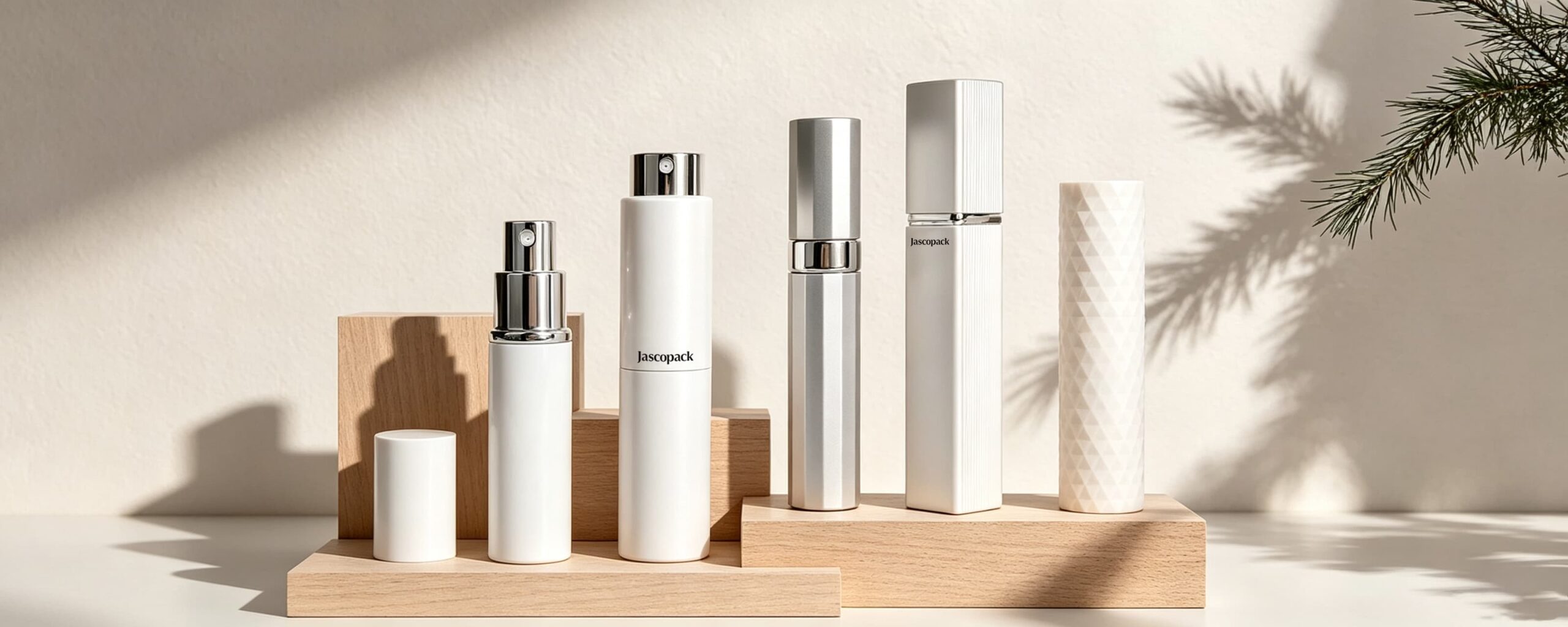
The cylindrical bottle is one of the more straightforward options. Its continuous shape works well across different capacities and does not tie the design to one particular visual style.
A simple cylinder can look quite different depending on the glass, color, decoration, and finish used. It is also a practical starting point when a brand needs several fragrances to share the same basic bottle structure.
Round Perfume Bottles
Round perfume bottles have a smooth outline without prominent corners. That gives the packaging a softer appearance, which is why this shape is often found in women’s fragrances and floral collections.
The basic round form does not mean every bottle will look alike. A taller proportion feels different from a wider one, and the choice of color or finish can change the overall character considerably.
Square or Rectangular Perfume Bottles
Square and rectangular bottles have a much more defined outline. The straight edges give them a clean, structured appearance and work particularly well when the brand wants the packaging to feel classic or restrained.
Another practical advantage is the flat surface. It gives designers more usable space for a logo, graphics, or other branding details without having to work around a strongly curved bottle wall.
Triangular Perfume Bottles
Triangular perfume bottles are less conventional, so the silhouette itself becomes an important part of the perfume bottle designs.
Rather than relying heavily on decoration to make the bottle noticeable, the structure does some of that work. This can be useful for a fragrance that needs a stronger visual identity or a less familiar packaging direction.
Heart-Shaped Perfume Bottles
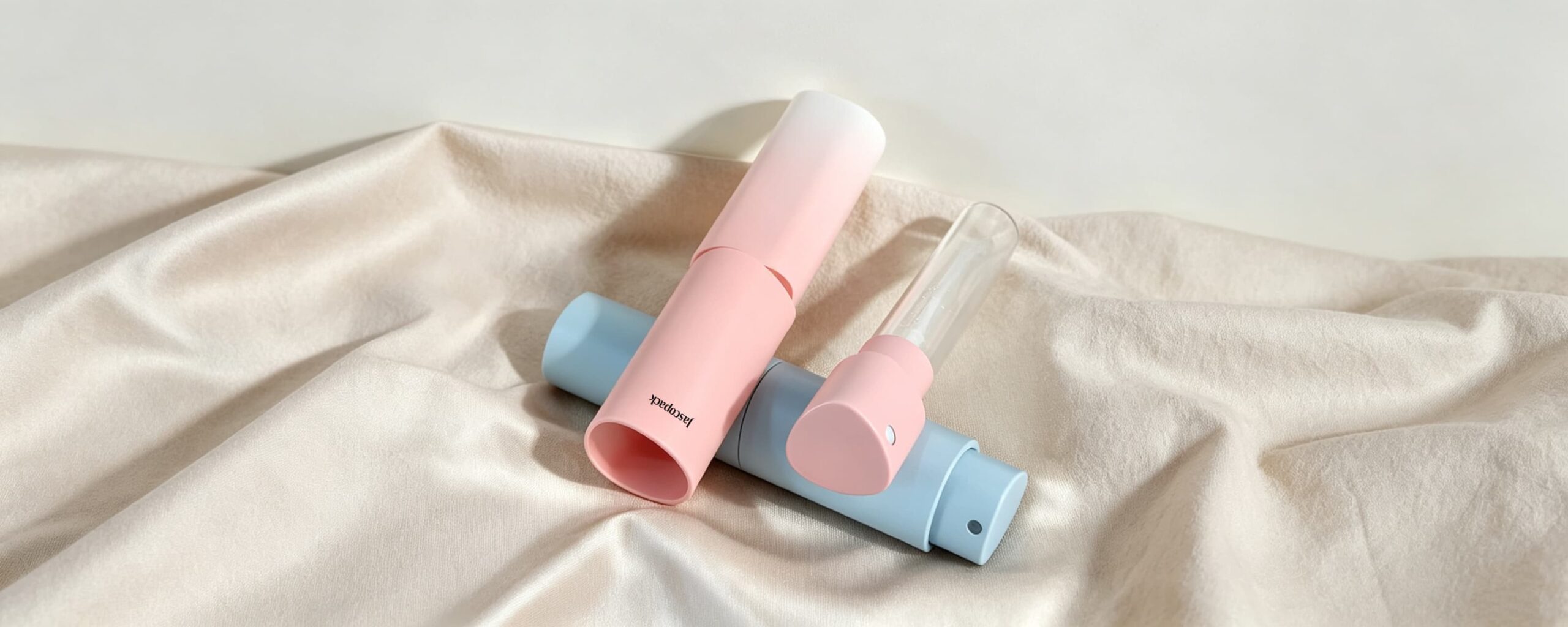
A heart-shaped bottle builds the product theme directly into the packaging. This makes it a natural fit for Valentine’s Day collections, romantic fragrances, and products centered around emotional themes.
The shape already carries a strong visual association, so the rest of the packaging does not necessarily need to rely heavily on decorative elements to communicate the concept.
Irregular-Shaped Perfume Bottles
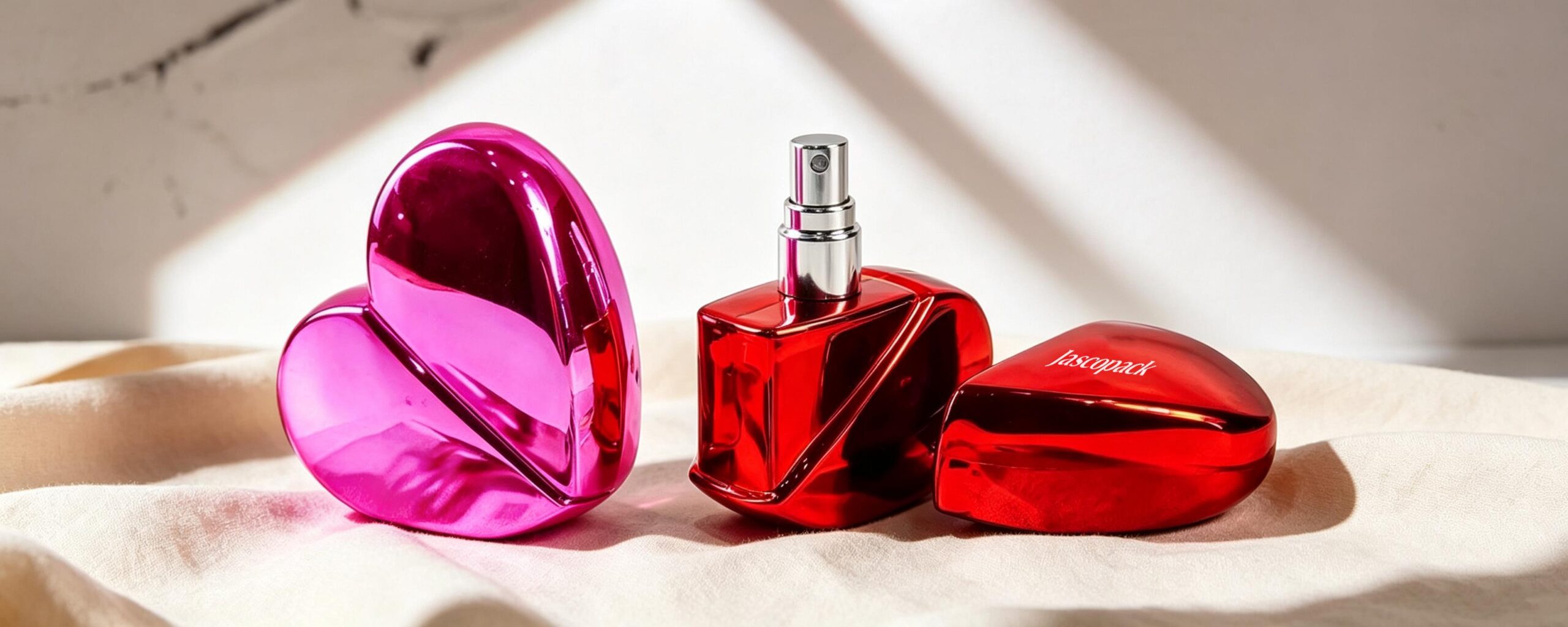
Irregular bottles are usually designed for a specific concept rather than picked from a standard bottle range. The starting point could be a brand story, a fragrance theme, or simply a shape the designer wants to explore.
For some fragrance brands, this is where packaging becomes part of the brand identity itself. The bottle can have a recognizable silhouette even when the logo is not immediately visible.
Matching Perfume Bottle Capacity with Bottle Shape
Capacity and shape are related, but one does not automatically determine the other. The intended use matters just as much.
A small sample bottle has different requirements from a retail fragrance. Portability, available branding space, packing efficiency, and handling all become relevant when deciding how the bottle should be developed.
1ml–5ml Perfume Sample Vials
The 1ml–5ml range is mainly seen in fragrance sampling. Brands may use these small bottles for new scent trials, promotional distribution, or larger sampling campaigns.
At this size, every bit of space on the bottle matters. Mini cylindrical sprays are a practical option, as are compact square designs. There is still room for a logo or simple product marking, but keeping the perfume bottle small and easy to carry comes first.
5ml–15ml Travel-Size Spray Bottles
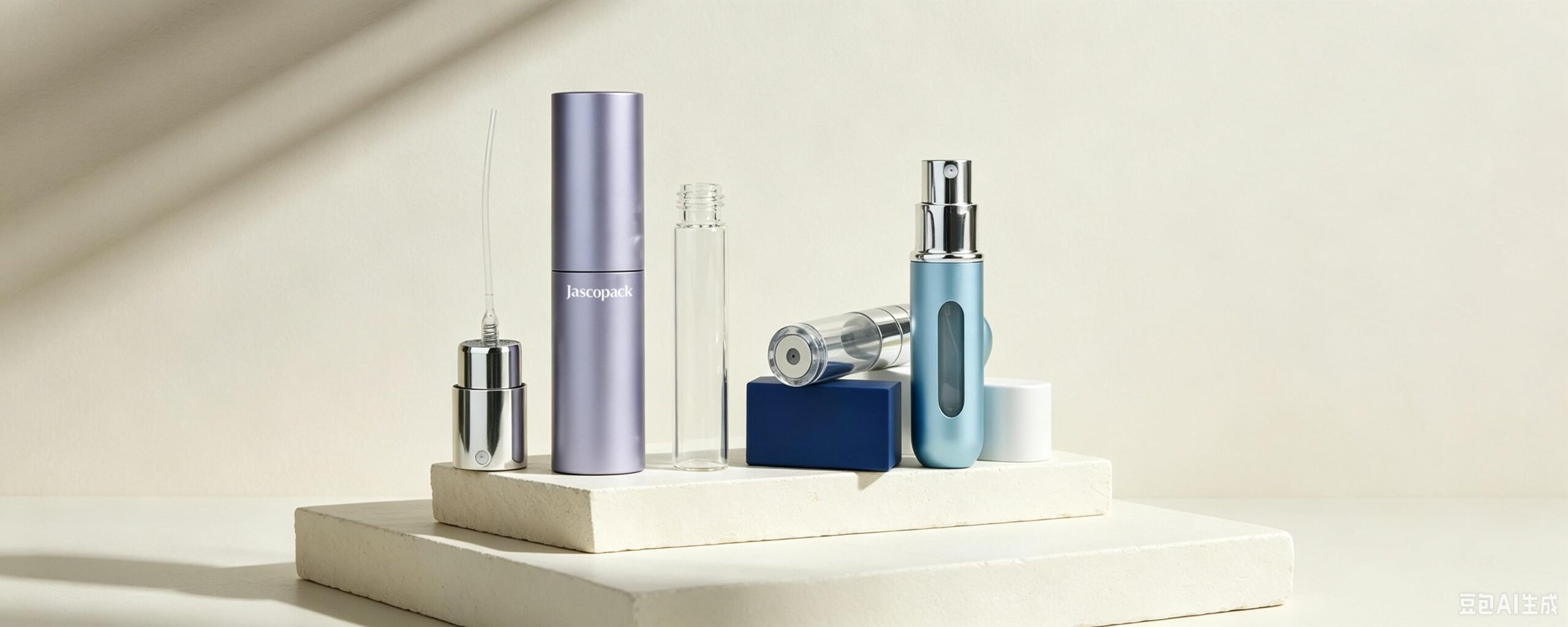
Travel sprayers in the 5ml–15ml range need to stay compact without becoming awkward to hold.
Slim cylindrical bottles are a familiar choice in this size range. They give the user more fragrance to work with than a sample vial, but still take up very little room in a bag or travel case.
15ml–30ml Portable Spray Bottles
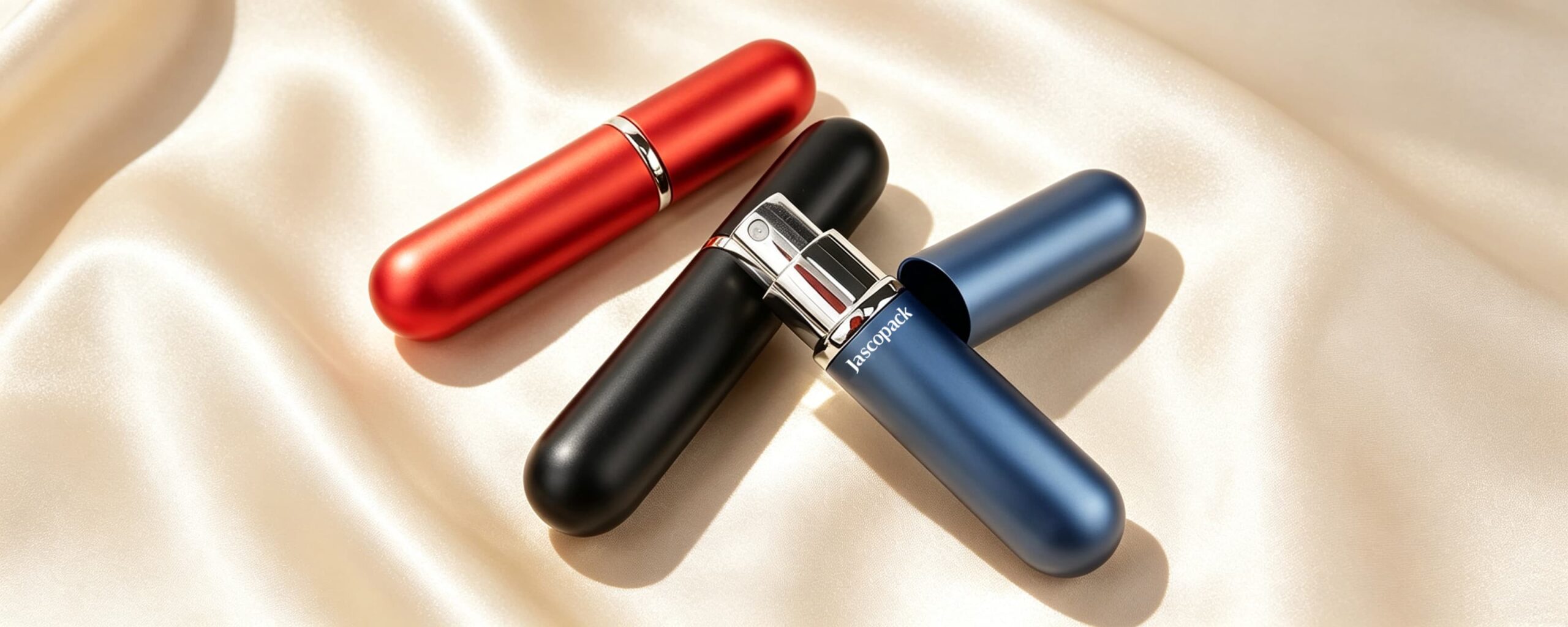
Once the capacity reaches 15ml–30ml, the bottle gives you more room to work with visually.
Round, square, and rectangular structures are all possible here. The choice can be driven more by the brand design than by the capacity itself. Color, printing, and finishing can then be used to keep different products within the same range visually connected.
30ml–50ml Common Retail Perfume Bottles
The 30ml–50ml is a familiar range for retail perfume products. The bottle body has enough presence to play a visible role on the shelf, so the overall proportions and presentation become more important.
Square, rectangular, and round perfume bottles are all widely used. Depending on your product, you may also pair the perfume bottle with a more customized finish or secondary packaging.
50ml–100ml Larger Retail Perfume Bottles
The 50ml–100ml perfume bottles are commonly used for larger retail fragrances and main product collections.
A larger bottle provides more room for branding and decoration, but it also changes the practical side of packaging. Before finalizing the design, it is worth checking the bottle proportions, protection inside the box, carton packing, and stability during transportation.
How Should Your Brand Choose the Right Perfume Bottle Shape?
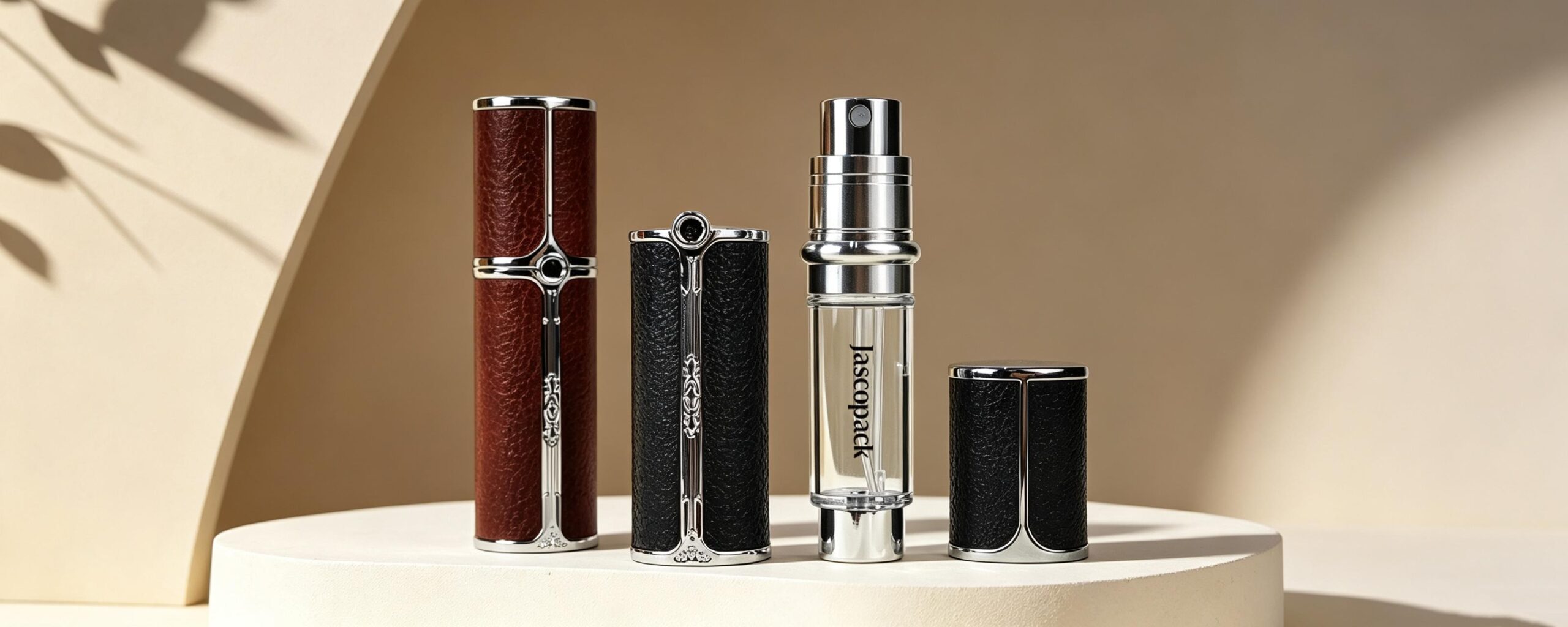
Luxury and Premium Brands
For a premium fragrance, the bottle should feel consistent with the rest of the product rather than simply being made to look expensive.
Glass weight is one factor, but it is not the only one. Proportions, edges, surface quality, and even how the bottle feels when held can change the overall impression. Some brands prefer a heavier bottle, others get the look they want with a cleaner, lighter design.
Independent and Niche Brands
Niche brands often have more room to experiment with packaging. They do not necessarily have to follow familiar bottle formats, so an unusual silhouette or proportion can become part of the fragrance itself.
That does not always mean starting with a completely custom mold. If the product is still being tested, an existing bottle with a suitable shape may be a more sensible first step. A custom structure can be considered once the product direction has been validated.
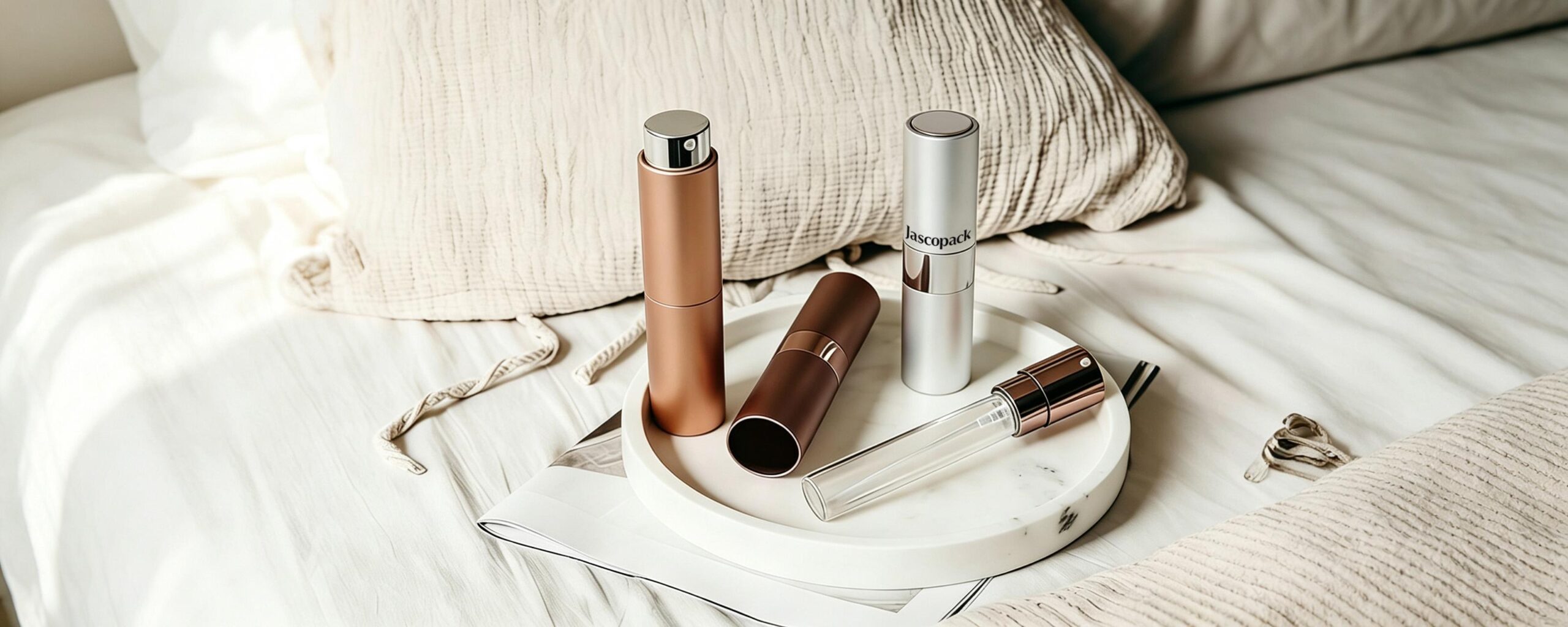
Mass-Market Brands
For a mass-market fragrance, the bottle has to work within a more practical cost structure.
Cylindrical, square, and rectangular bottles are widely used for a reason. Their structures are familiar, production is relatively mature, and they can be adapted across different fragrances without redesigning everything from scratch.
Young and Fashion-Oriented Brands
Brands aimed at younger consumers may prefer simpler silhouettes, stronger colors, or more contemporary finishes.
There is no fixed bottle shape for this market. What matters more is whether the packaging fits the brand’s existing visual language and does not look disconnected from the rest of the product range.

How Does Perfume Bottle Shape Affect Product Development?
Mold Cost
The bottle shape has a direct connection with tooling.
For common shapes such as cylinders, rounds, and squares, suppliers may already have established production solutions. A bottle with a completely new outline, unusual proportions, or complicated curves is more likely to require a dedicated mold.
For a new fragrance line, I would compare an existing bottle with a custom design before committing to a mold. If the product is still being tested, there may be little reason to put a large tooling budget into the first version.
Production Complexity
What looks simple in a drawing is not always equally simple to produce.
Regular bottle shapes are usually easier to keep consistent from one production run to the next. Irregular designs are a different story. During sampling, the supplier may need to pay closer attention to wall thickness, dimensions, and whether the finished bottles stay consistent with the original sample.
If the same bottle will be used for future reorders, ask the supplier how consistently the shape can be reproduced. A bottle that looks good in one sample is not enough; it needs to remain stable from batch to batch.
Packaging Cost
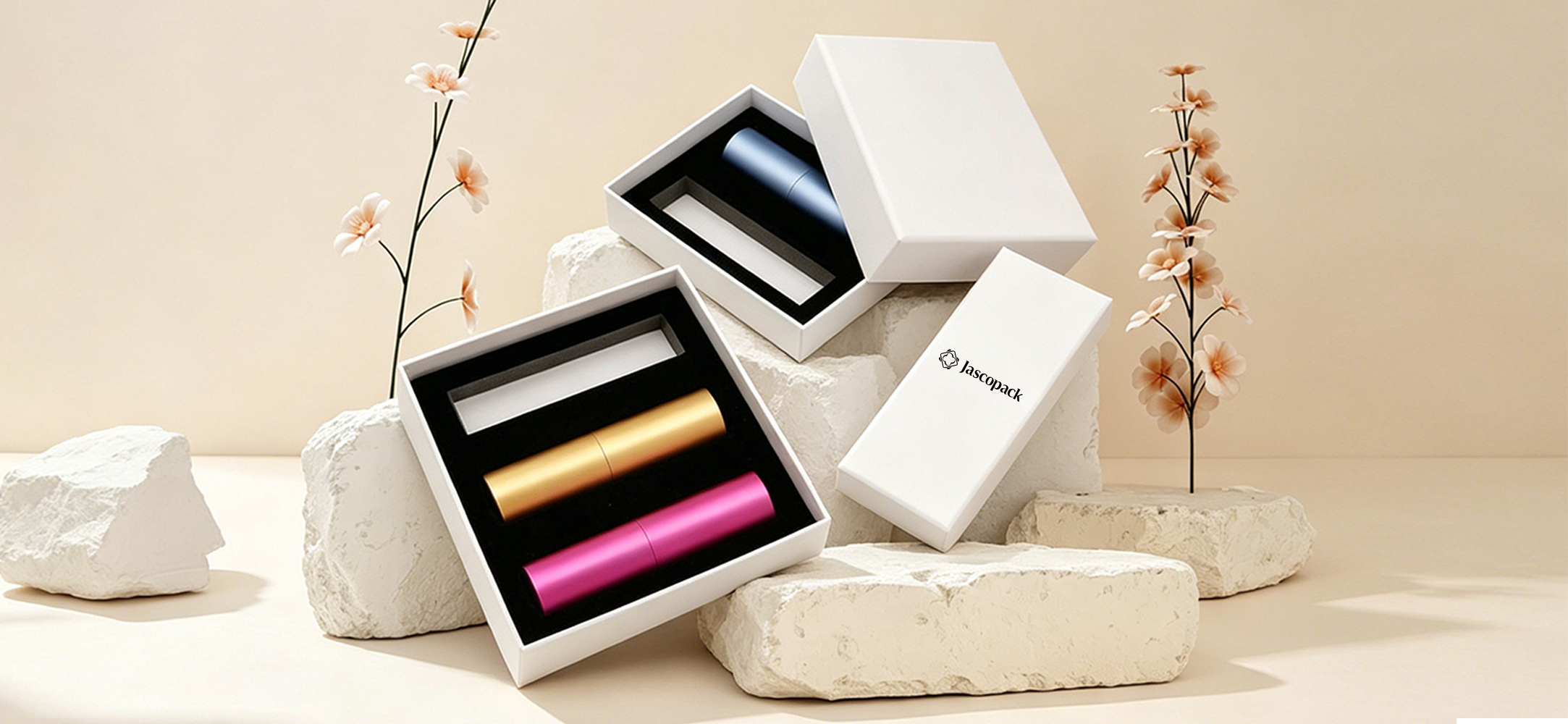
A bottle shape change rarely affects the bottle alone. The inner tray and outer box may need to be adjusted too.
Standard square, rectangular, and cylindrical bottles are relatively easy to work with when using conventional box structures. An irregular bottle may need a custom insert to prevent movement inside the box.
This is why it is useful to look at the bottle, insert, and outer box together during development. It is much easier to adjust the packaging while the design is still being tested than after the bottle has already gone into production.
How to Choose the Right Perfume Bottle Shape for Your Brand
Step 1: Start with the brand positioning. Before choosing a bottle, decide what role you want the packaging to play. Should it feel understated, distinctive, romantic, modern, or something else? The bottle shape should make sense within that overall direction.
Step 2: Start with the size and how the product will be used. A sample bottle, a travel spray, and a portable fragrance do not necessarily need the same proportions. Jascopack’s perfume spray bottles range from 1.5ml to 30ml, covering several of these applications.
Once the capacity is clear, shortlist two or three shapes that could work. Comparing them side by side often makes the differences much easier to see.
Step 3: Check the design with your supplier. At this stage, the question is no longer just whether the bottle looks good. Ask about the mold, production process, MOQ, lead time, and whether the shape can be reproduced consistently at the quantity you need.
Step 4: Make the final call after seeing samples. A physical sample will tell you things a drawing cannot. Look at the perfume bottle’s proportions, weight, finish, and overall feel. Then check the spray performance and make sure the bottle neck and spray pump fit properly.
Conclusion
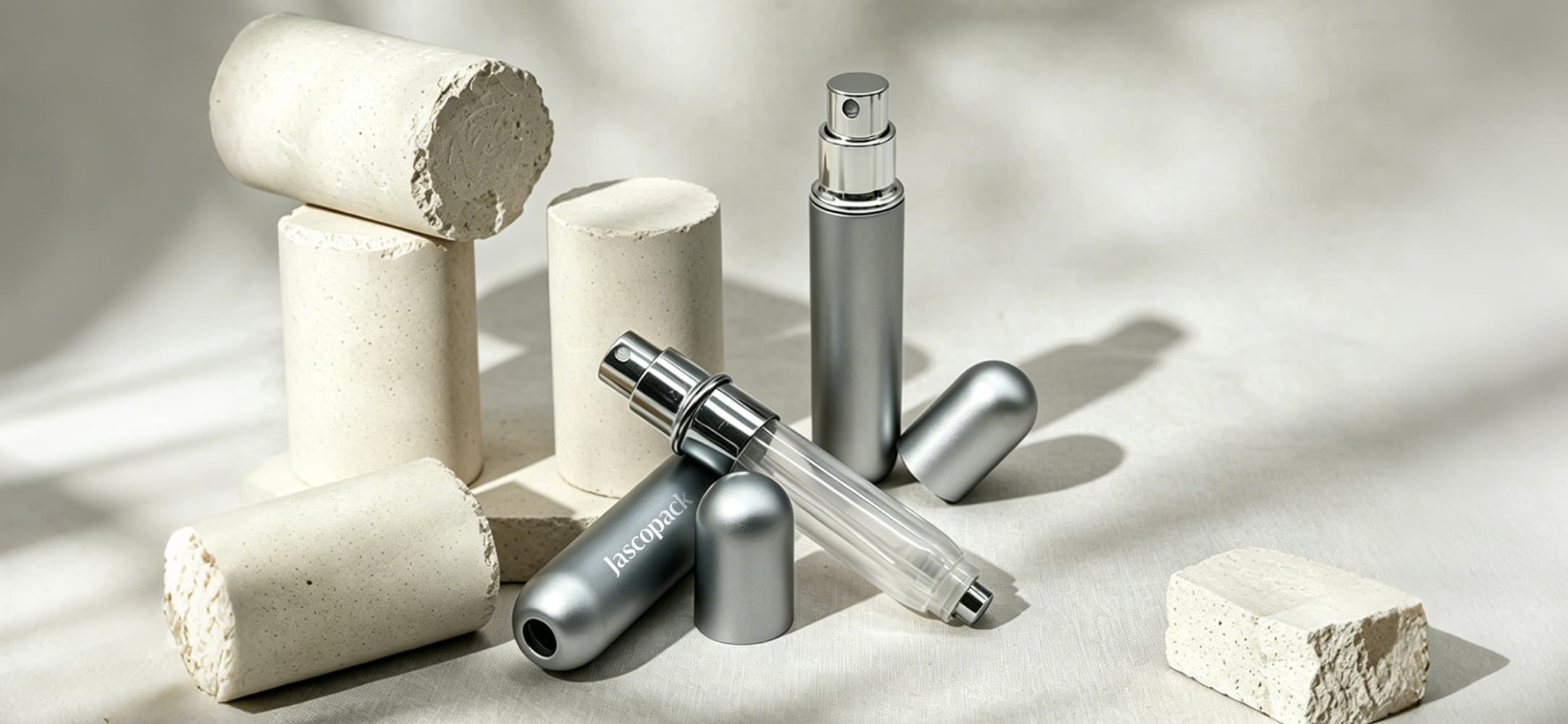
Jascopack offers a variety of perfume spray bottle solutions ranging from 1.5ml to 30ml, and can be customized with logos, colors, and surface finishes. You can start with an existing bottle shape or develop a custom solution based on your product design.
FAQ
Can I customize a unique perfume bottle shape for my brand?
Yes. Jascopack can review your proposed design and assess the production requirements. For an irregular or structurally complex bottle, the mold, manufacturing process, MOQ, and mass-production conditions should be discussed before development begins.
Will a unique perfume bottle shape increase the mold cost?
It can. If the bottle has a completely new outline or complicated curves, a dedicated mold may be necessary. Development can also take longer than with a standard bottle. The first sample may reveal details that need to be changed before the design is ready for a production run.
Can the same perfume bottle be used across different fragrance lines?
Yes, and this method is very suitable for perfume bottle products. By keeping the same bottle shape and changing the appearance color, logo, surface finish, or outer packaging, different fragrances can be distinguished while maintaining a consistent overall brand style.
Does perfume bottle shape affect shipping costs?
Yes. Carton packing is where the difference becomes easier to see. Bottle dimensions and weight determine how many pieces can go into one carton, and an unusual shape may leave empty space between bottles. For larger shipments, fewer units per carton can push up the overall freight cost.
For larger orders, this can become a practical cost consideration. It is better to review the bottle design together with the inner packaging and shipping arrangement before mass production rather than dealing with these issues afterward.